On View: March 27 through May 8, 2026
Artist Lecture and Opening Reception: Thursday, April 9, 2026 at 5:00 – 7:00 PM (Co-sponsored by Smith Office for the Arts)
On November 11, 1572, the Danish astronomer, Tycho Brahe, noticed a bright star in the night sky and observed, “it is a star shining in the firmament itself—one that has never previously been seen before our time, in any age since the beginning of the world.” Standing next to him was his thirteen-year-old sister, Sophia, who had studied astronomy on her own, and pestered her older brother until he trained her as his assistant. The star was in fact a supernova (known as SN1572), an exploding star that over the next several months would become so bright it could be seen during the day. For almost 500 days, Tycho and Sophia observed and documented the dying star until it disappeared. The supernova burned itself out to the point where it is only visible as a remnant in the X-ray light spectrum. But then, in 2008 astronomers discovered a light echo of the original supernova bouncing off a nearby dust cloud, allowing them to essentially travel back in time to witness an event that took place 400 years in the past for a 2nd time.
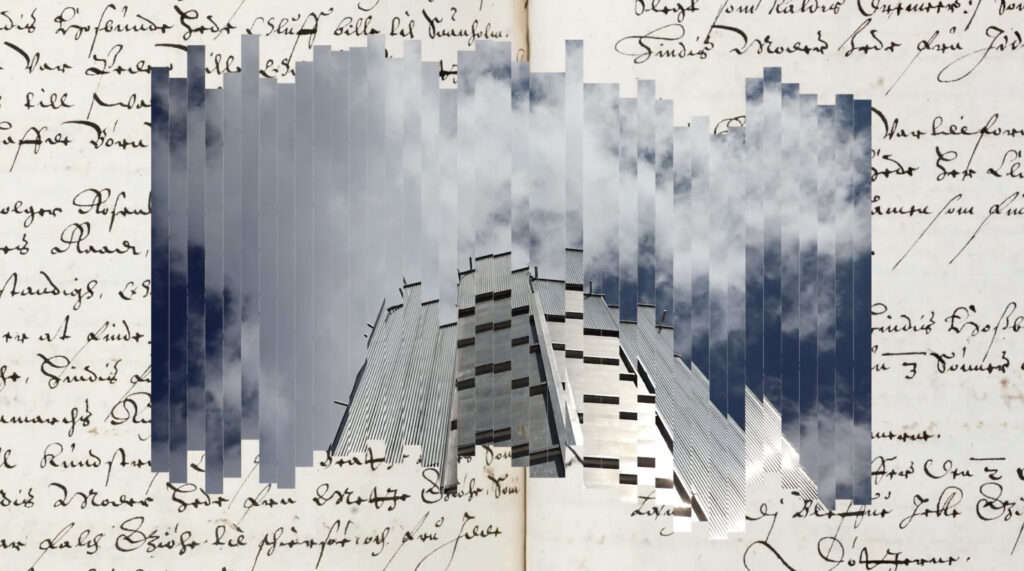
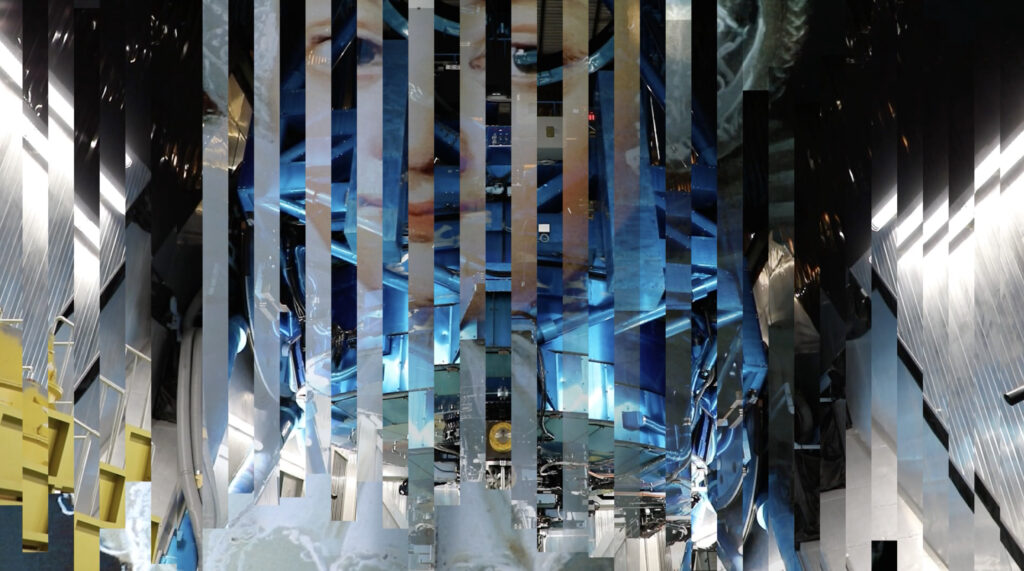
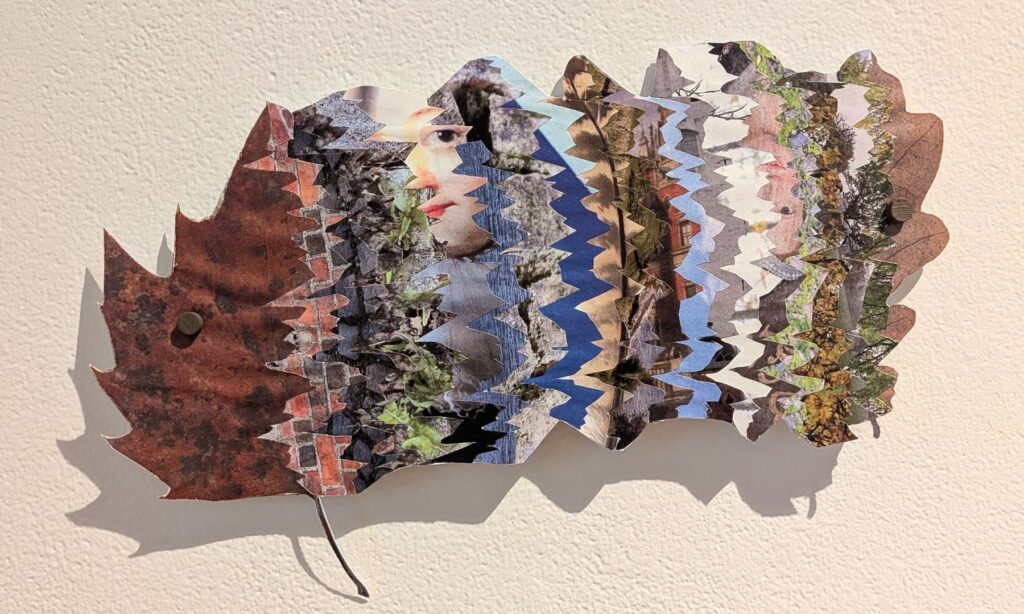
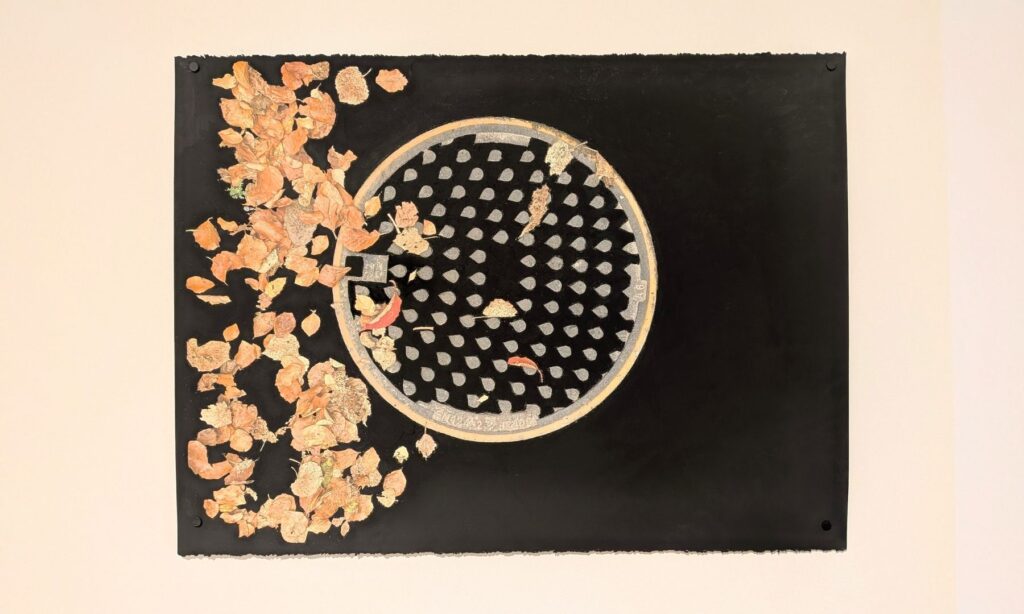
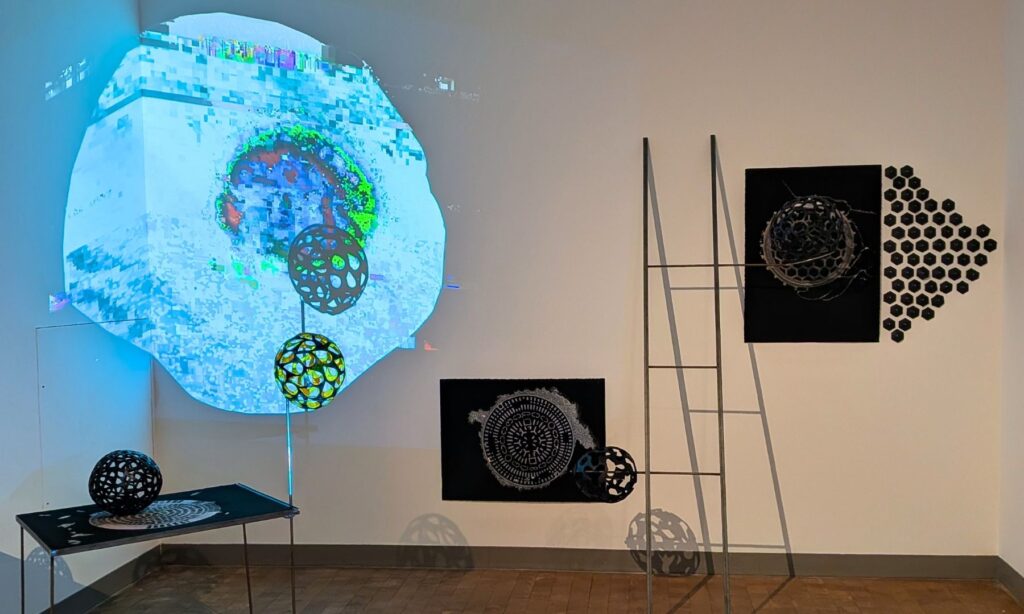
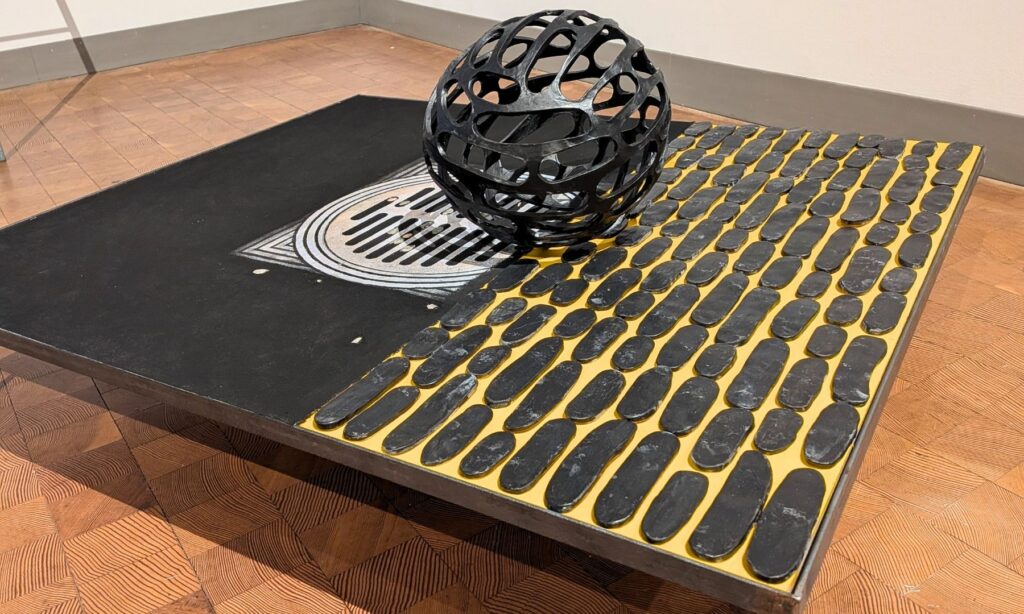
The works in The Remnant and The Echo explore the unique form of time-travel made possible by the SN1572 light echo. Through a video installation combined with photographs and sculptural objects, I am tracing the story of the SN1572 supernova and presenting possibilities for how we might hold a multiplicity of moments in time simultaneously. Light spectra data from the 2008 SN1572 echo and X-ray imagery of the SN1572 remnant is holistically layered into each work. The very nature of this layering causes the supernova data to fracture and degrade the images as a way to think about how Sophia Brahe’s life and contribution to science have been degraded by time.
You must be logged in to post a comment.