-
Around the Table: Black Lesbian Gathering in Dyke Slope, Brooklyn
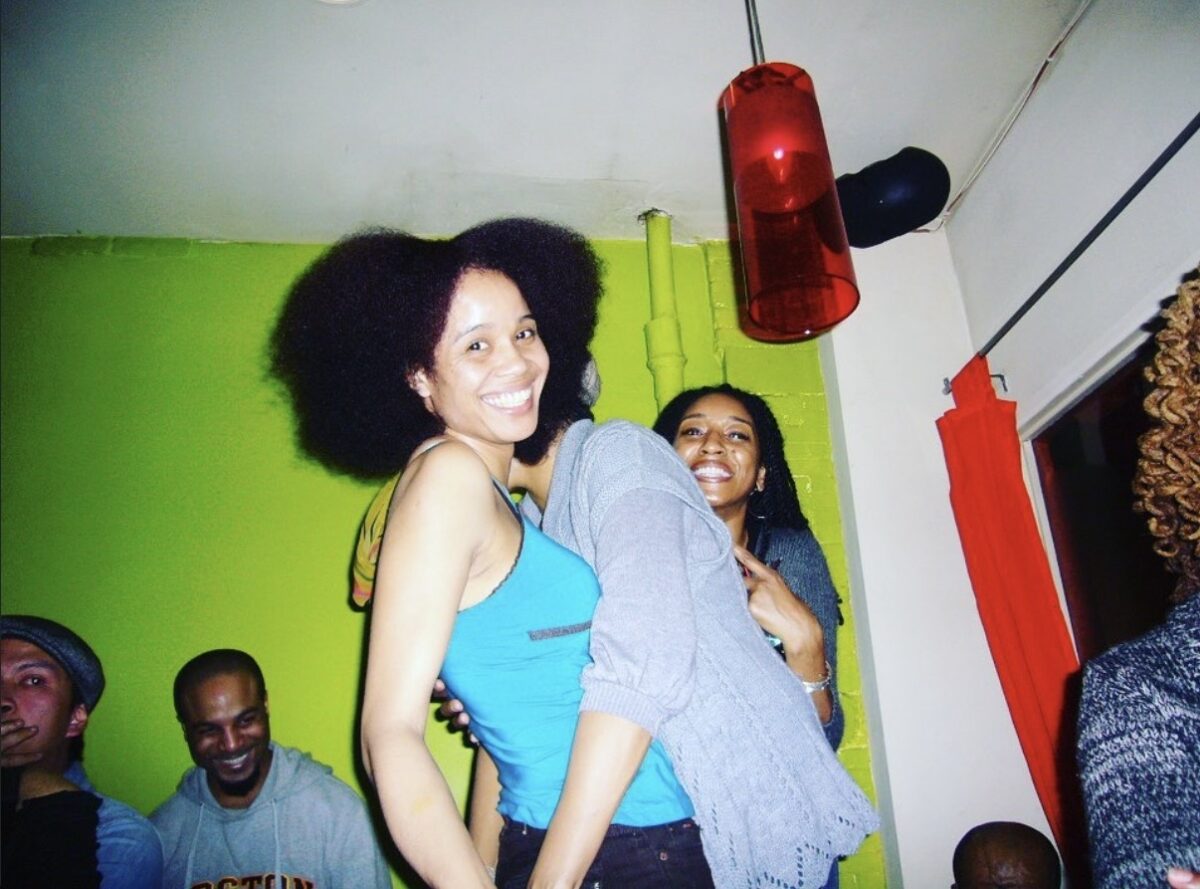
The Park Slope neighborhood of Brooklyn, New York gained a reputation as “Dyke Slope” during the 1980s-1990s. Prior to this nickname Park Slope had a substantial Black and Brown community, who were driven out as the neighborhood experienced an influx of new white residents. As lesbians began to move en masse to the area beginning…
-
Lesbian-Feminist World Building Through the Eyes of Alison Bechdel and Phyllis Birkby
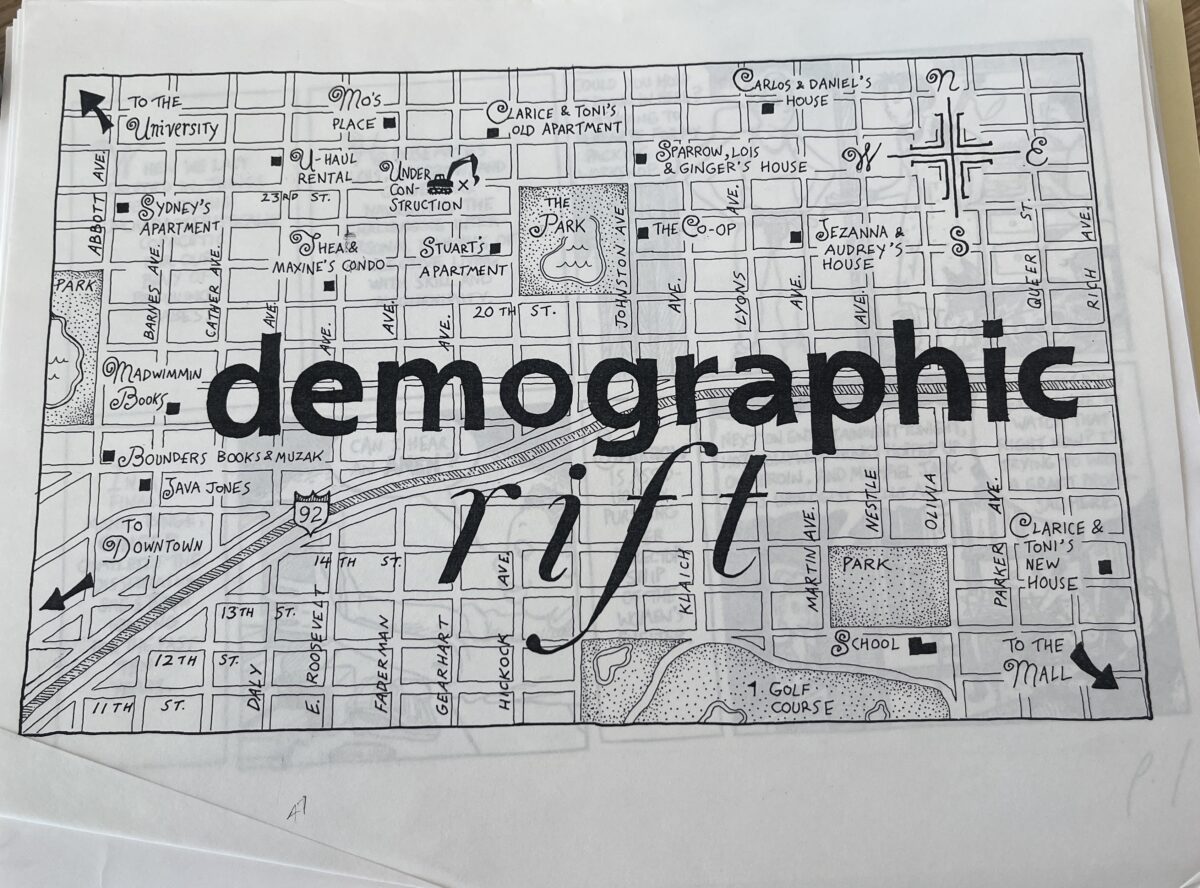
In her 1983-2008 comic series, Dykes to Watch Out For (DtWOF), cartoonist Alison Bechdel develops a realistic lesbian community whose interpersonal struggles and reactions to important events form the plot of her serials turned novels. While the strips center on Mo, an anxious lesbian with strong political beliefs, the storyline features several interconnected groups of…
-
A Friend Amidst Famine: Beulah Hurley Waring and the American Friends Service Committee
Foundations of Quaker Relief Work Amidst doctrinal infighting in American Quakerism and the entrance of the United States in World War I, the American Friends Service Committee (AFSC) emerged as an alternate path to service for Friends and conscientious objectors. On April 30th, 1917, members of the Five Years Meeting, Friends General Conference, and Philadelphia…
-
Jewish Feminist Encounters with Zionism
Historical Overview The first few years of the 1980s were marked by a convergence of right-wing political agendas in the U.S. and Israel. In the years since the beginning of Israeli occupation of the West Bank and Gaza in 1967, Israeli settler-colonialism was expanding, from the right-wing government’s support for Jewish settlement in occupied territories…
-
Kathleen O’Shea: The Life and Controversies of a Lesbian Nun
By Maya Joncas In 1985, Rosemary Keefe Curb and Nancy Manahan published their groundbreaking and sensational book, Lesbian Nuns: Breaking Silence. Curb and Manahan were both former nuns themselves, Curb a Dominican sister for seven years, and Nancy spent a year in a Maryknowll convent. Though the book was originally aimed at lesbian and feminist…
-
Sterilization in India and the US: Stories of Neocolonialism
The United States has a long history of benefitting off of the exploitation of various populations, through mass colonization and enslavement. This has been passed down through tradition from European colonization. As a result of this history and the continued abuse of marginalized communities that were historically exploited, race and privilege functions in a hierarchical…
-
“Weaving the Web:” Feminist Disarmament Politics at the Seneca Women’s Peace Encampment
NATO’s “Double-Track Decision:” The Deployment of Cruise and Pershing II Missiles Throughout the Cold War (roughly 1945-1989), both the United States and the Soviet Union sought to rapidly expand their nuclear arsenals. Each side developed missiles capable of facilitating nuclear strikes— some of the most powerful being medium and intermediate-range ballistic missiles (reaching targets of…
-
Extra! Extra!: The Hauptmann Trial & the Press
This was the front page of the New York Times, on December 23rd 1935, and the biggest story of the day. To understand why a family leaving the U.S. for England was such a big deal, we have to start three years earlier…. A clip from the front page of The New York Times, December…
-
Art in Social Movements, From the 1900s to Today
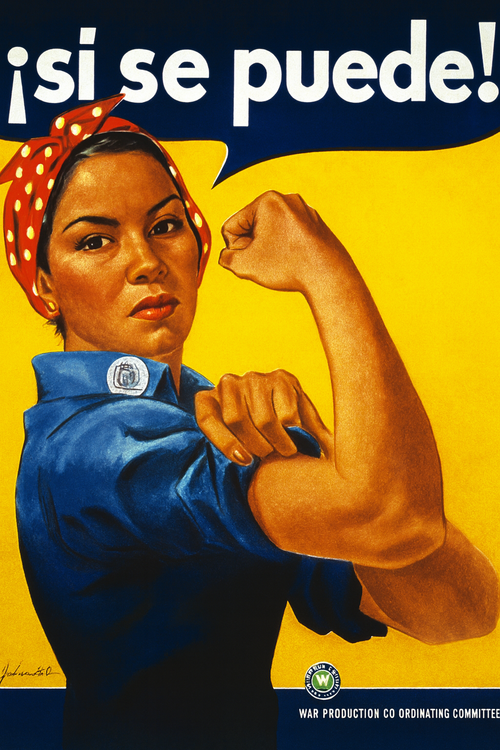
Art has always been a powerful tool for social change. Across media, artistic expression has the ability to change hearts and minds, and legislation. We can see social protests throughout history using artistic media in public space to communicate grievances, group identity, and desires for change, particularly by marginalized groups who have limited access to…
-
A is for Arvin: The Morals Case of Newton Arvin and Obscenity at the Turn of the 1960s
Photograph of Newton Arvin by Eric Stahlberg, 1946. Newton Arvin Papers, Mortimer Rare Book Collection. On September 2, 1960, police ransacked the home of a widely acclaimed Smith Professor, Newton Arvin (born Frederick Newton Arvin), in search of obscenity. They found magazines in Arvin’s room and office, under distributor titles like One and MANual, full…
-
Japanese American Healthcare Workers in America’s World War II Detention Camps
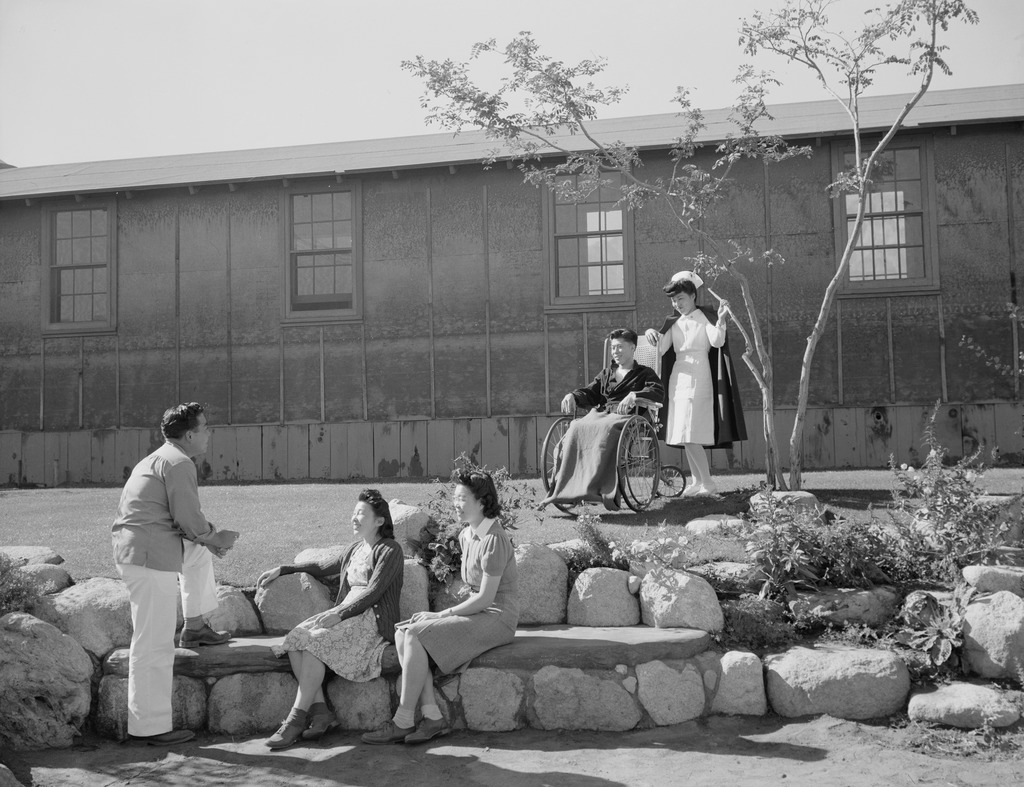
Just two months after the bombing of Pearl Harbor, Franklin Roosevelt signed Executive Order 9066 into law, making it possible for the government to create a military exclusion zone on the western coast of the United States “from which any or all persons may be excluded.” Starting in April of 1942, all Japanese Americans living…
-
The Politics of Belonging: Azorean Immigration and the Making of Whiteness in Massachusetts, 1880-1980
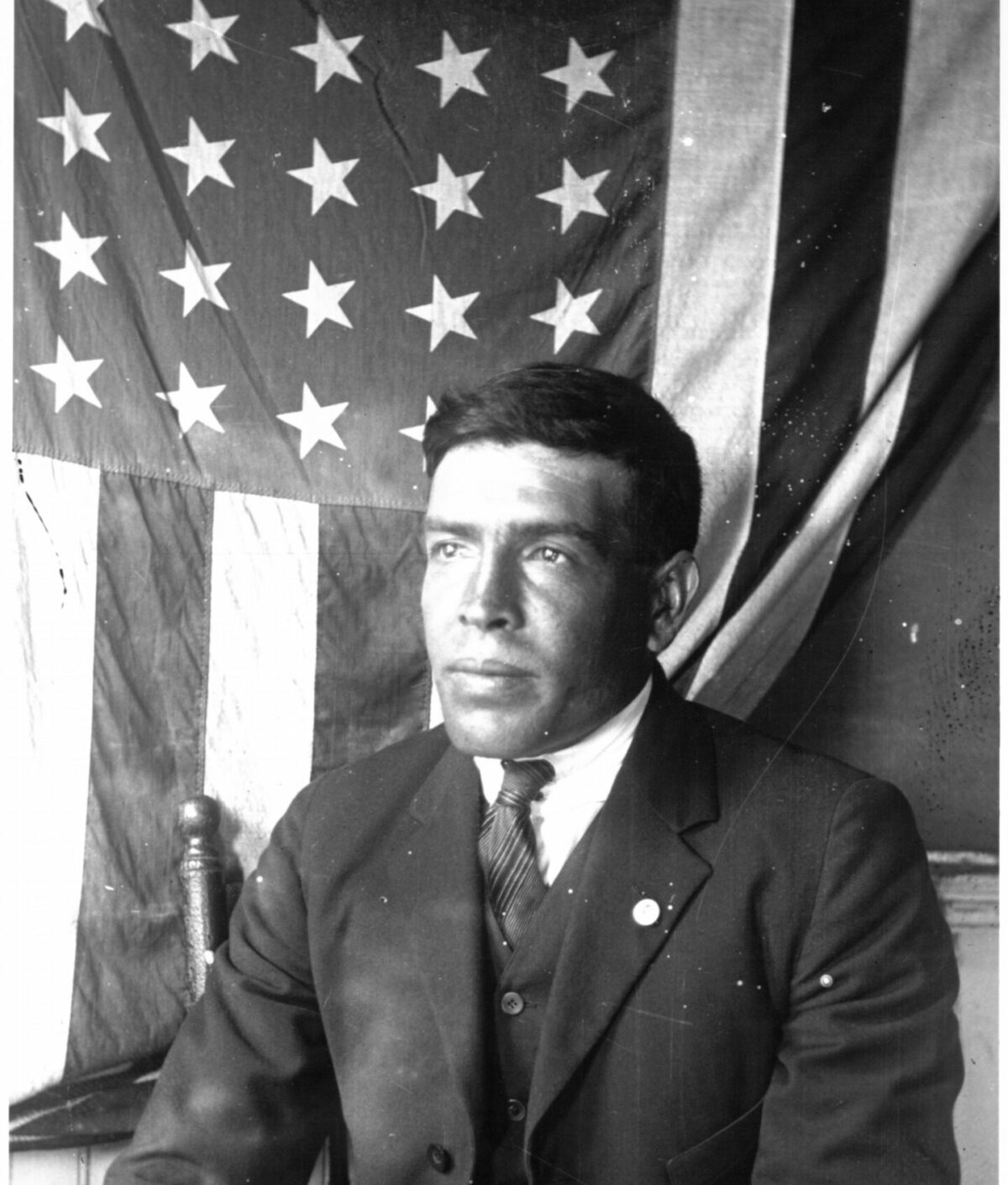
Beginning in the late nineteenth century, large numbers of Portuguese immigrants from the Azores migrated to Massachusetts. Confronting poverty, overcrowding, and, in some cases, compulsory military service at home, they crossed the Atlantic in search of economic opportunity. Many settled in industrial and maritime centers such as Fall River, New Bedford, and Taunton, while others…
-
Starlet, Sailor, Sculptor: The Audacious Life of Frances Rich
“She represents the firm values of Birth Hope and Death — which we must all eventually live by — despite all the talk — talk of string and wire — of our present — effect ridden society” -Katharine Hepburn on Frances Rich Early Life and Education Irene Frances Lither Deffenbaugh was born in 1910 in…