Andie Smith
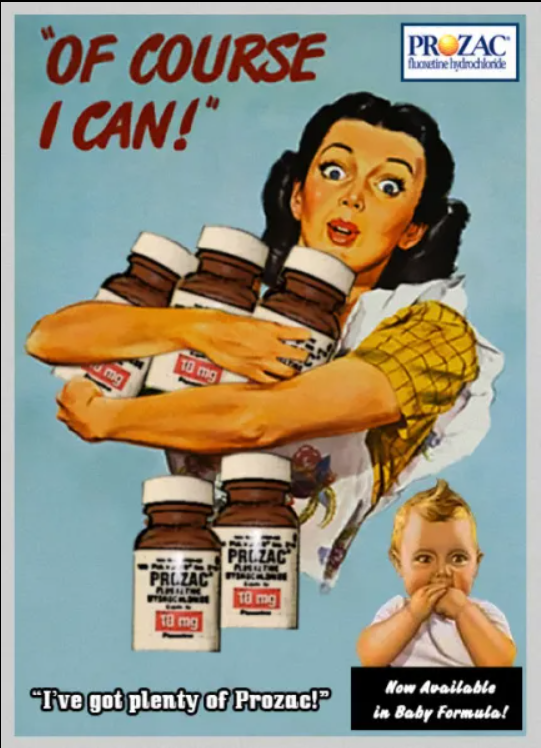
SSRIs have been proven to decrease libido, increase impotency, and make orgasms more difficult in both male and female patients. SSRIs and other medications are also usually only tested on male animals of a species. Why do these types of medications affect sexual activity for those who take them? Is there anything one can do to help reduce the effects?
Transcript – Can’t Get It Up
Can’t Get It Up: SSRIs and Sex – Transcript
[ANDIE SMITH] Would you rather be sexually satisfied or be happy? The average person would say both (and probably look at you sideways) but for those with mental health conditions, the answer can be tricky. I’m Andie, and welcome to “Can’t Get It Up” where we will be exploring the link between Anti-depressants and sex.
Intro Music
[AS] The ‘it’ I am referencing when I say “cant get it up” is not only male sexual dysfunction, but also a reference to being happy. According to the Linden Center for HOPE and the Encyclopedia of Women in Today’s World, almost 30% of adults have been diagnosed with depression in their lifetime. Women are twice as likely to develop depression than men, and also get diagnosed more on average than men. While 1 of 10 Americans take antidepressants, women are prescribed medication as treatment more often. 1 out of every 6 women in the country are on antidepressants. The most common type of antidepressants are Selective Serotonin reuptake inhibitors, or SSRIs. They keep the brain from reabsorbing Serotonin, the neurotransmitter most directly linked with causing depression, anxiety, and other mood disorders.
Of the many types of SSRIs, the three most prescribed are sertraline, fluoxetine, and escitalopram. All of these medications are proven to have sexual side effects. Why is this, and how does this affect the people who take it?
Transition Music
[AS] The higher rate of depression diagnoses in women can be linked to many factors, one of them being hormonal contraceptives and menstrual cycles. The Linden Center for HOPE comments on this as well. Throughout a menstrual cycle, the estrogen levels in a person fluctuate. This can impact the way certain neurotransmitters, like serotonin, are created, absorbed, and understood in the brain. Hormonal contraceptives, like the birth control pill, can exacerbate this. One of the most common side effects of the birth control pill is mood changes. In women with depression, hormonal contraceptives can even increase or decrease their symptoms. Another common side effect of birth control pills is decreased libido. For women on antidepressants and hormonal contraceptives, this symptom can be exacerbated. Some antidepressants can affect hormonal levels in women, creating the sexual symptoms associated with them. The most common sexual side effects are low libido and difficulty reaching orgasm. In men, SSRIs can also cause erectile dysfunction.
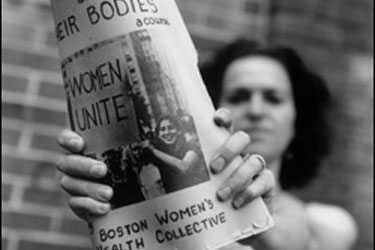
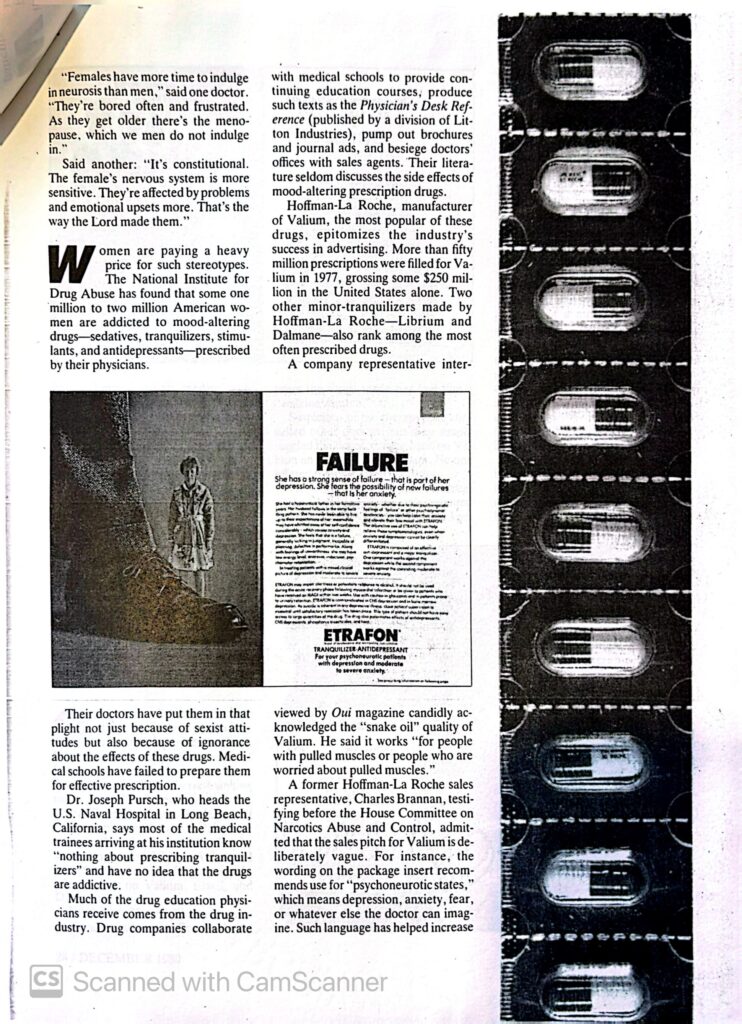
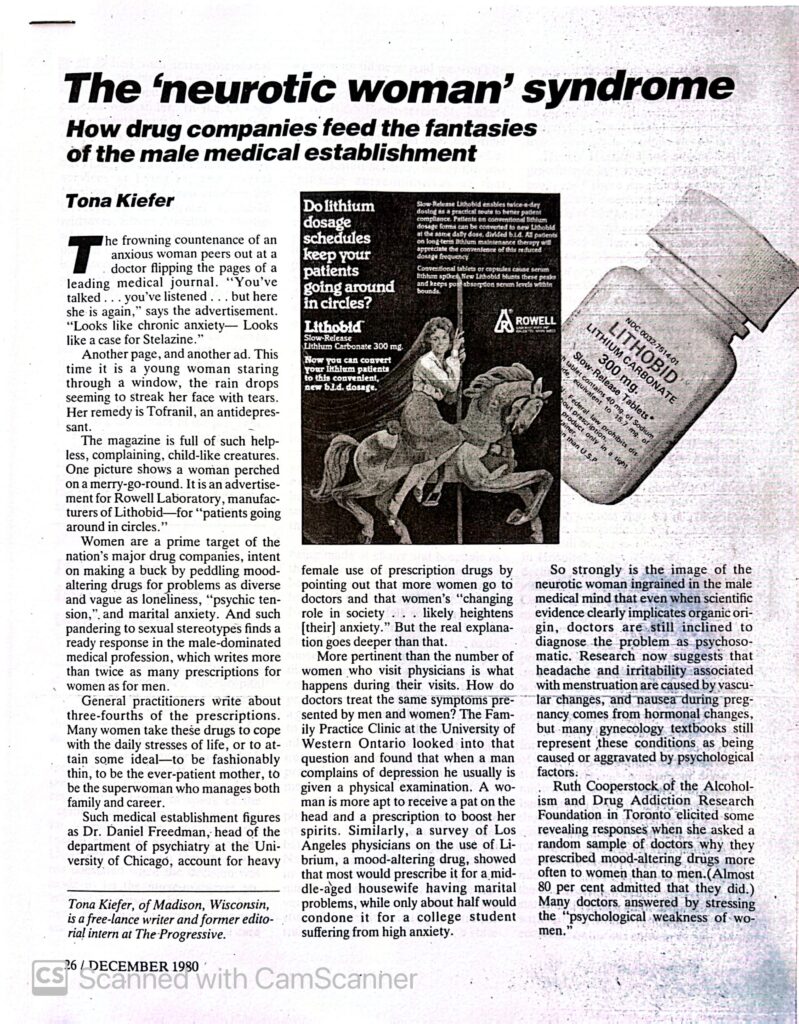
Archival records for the National Women’s Health Network show that this is not a new discovery. As far back as the 1980s, people have been researching the correlation between gender and antidepressant side effects. Women and men often have different symptoms, causing the outward appearance of mood disorders to be different. Dr. Jean Hamilton and her team of researchers found that women’s depression was “atypical.” They also found that some side effects from the medications they were prescribing were core prevalent in women. Scientists knew about the relationship between estrogen and neurotransmitters. But like many avenues in women’s health, little research was actually done on how this link was affecting women on antidepressants. They knew side effects appeared differently, but they did not know why or how this was happening.
Today, the relationship is more understood. A study done by Pavlina Pavlidi found that most antidepressants can affect testosterone and estrogen levels. This manipulation can cause sexual dysfunction, more specifically the sexual side effects associated with antidepressants. According to the Cleveland Clinic, 37-65% of people with depression developed antidepressant associated sexual dysfunction. When you look at the statistics, millions of people are affected, but the solutions are slim.
This is where this becomes an issue of reproductive justice. The amount of women on antidepressants who experience sexual symptoms compared to the solutions available for them is extremely unequal. According to the Encyclopedia of Women in Today’s World, women have an increased rate of depression and sexual dysfunction. In fact, 42% of women on SSRIs report problems with orgasm. While men can take viagra or related medications for the sexual symptoms associated with antidepressants, women only have one choice. Bupropion. Bupropion is a NDRI- another type of antidepressant commonly used to treat Seasonal Affective Disorder. It can also be combined with SSRIs to reduce the sexual side effects that come with them. But like any medication, it comes with its own slew of unwanted side effects. Are depressed women just supposed to live with unsatisfying sex? I’ve asked some people to share their stories.
[AS] It feels fitting for me to start with my story. I am on antidepressants, specifically Sertraline (also called Zoloft), and I’m also on oral contraceptives, the birth control pill. When I started the birth control pill (which I have been on longer than the antidepressants), I didn’t notice any sexual side effects, but I also wasn’t sexually active for very long before I started taking it so that could’ve been why. I did notice them when I started taking the Sertraline. I noticed that my sex drive was a lot lower. I had been dating someone for a few years at that point and I didn’t want to have sex with them as often as I had before. I also realized that when I did have sex it took me a lot longer to finish if I was going to finish at all.
For me, I would say that the benefits kind of outweigh the side effects. I think that the Sertraline is really helpful in me managing my anxiety disorder, and if I have to live with the sexual side effects I think that’s something I have to just live with. I wish there were other alternatives and that it didn’t cause these issues, especially considering I didn’t know about them before I started taking it, but for me it’s just something I’m always going to have to live with.
Now, let’s hear from some friends.
[ANONYMOUS 1] I’ve been on SSRIs since I was fourteen years old. I’ve been on fluoxetine (which is also Prozac) and for me personally, being on SSRIs kind of decreased my sex drive heavily. I wasn’t very interested in it and I didn’t really have the desire often. I kind of looked at men and was like, eh, like I wasn’t really excited about it. I mean, occasionally I was but it was like the more I went up on my prescription the less I was interested in touching people.
But then, the lovely day occurred that I was blessed with Wellbutrin and now I am a freak and I love it here. I love- I love Wellbutrin. Its definitely improved my sexual drive.
[ANONYMOUS 2] Hey, y’all, I was put on Lexapro about five or six months ago, and- you know it works wonders for the anxiety- works wonders. But, an unanticipated side effect was that my sexual drive, my libido, whatever you want to call it, it definitely went downhill pretty fast, and that was really something I wasn’t warned about or anything like that, and It was quite shocking.
[AS] The knowledge surrounding SSRIs and their side effects is always growing. We as a community have a right to medication that makes us happy, without compromising our ability and desire for sex. We as women have a right to healthcare that understands us. Research must be done to better understand everyone in a society, not just the white, male, bodies deemed most important hundreds of years ago. The relationship between women, mental health, and sex is only one piece of this pie. I’m Andie, and thank you for listening to “Can’t Get It Up.”
Music Fade Out
References
anotherday. “Strings.” Tribe of Noise.
“How Does Depression Affect Sex?” Cleveland Clinic, November 13, 2025. https://my.clevelandclinic.org/health/diseases/9296-sexual-problems-and-depression-.
“Mental Health Treatment, Bias in.” In Encyclopedia of Women in Today’s World The Multimedia Encyclopedia of Women in Today’s World, First edited by Stange, Mary Zeiss., Carol K. Oyster, and Jane E. Sloan, 936-37. Thousand Oaks, CA: SAGE Publications, Inc., 2011. https://doi.org/10.4135/9781412995962.n523.
Johnson, Danielle. “Side Effects of Antidepressants in Females – What Women Should Know.” Lindner Center of HOPE, December 9, 2024. https://lindnercenterofhope.org/blog/side-effects-antidepressants-women/.
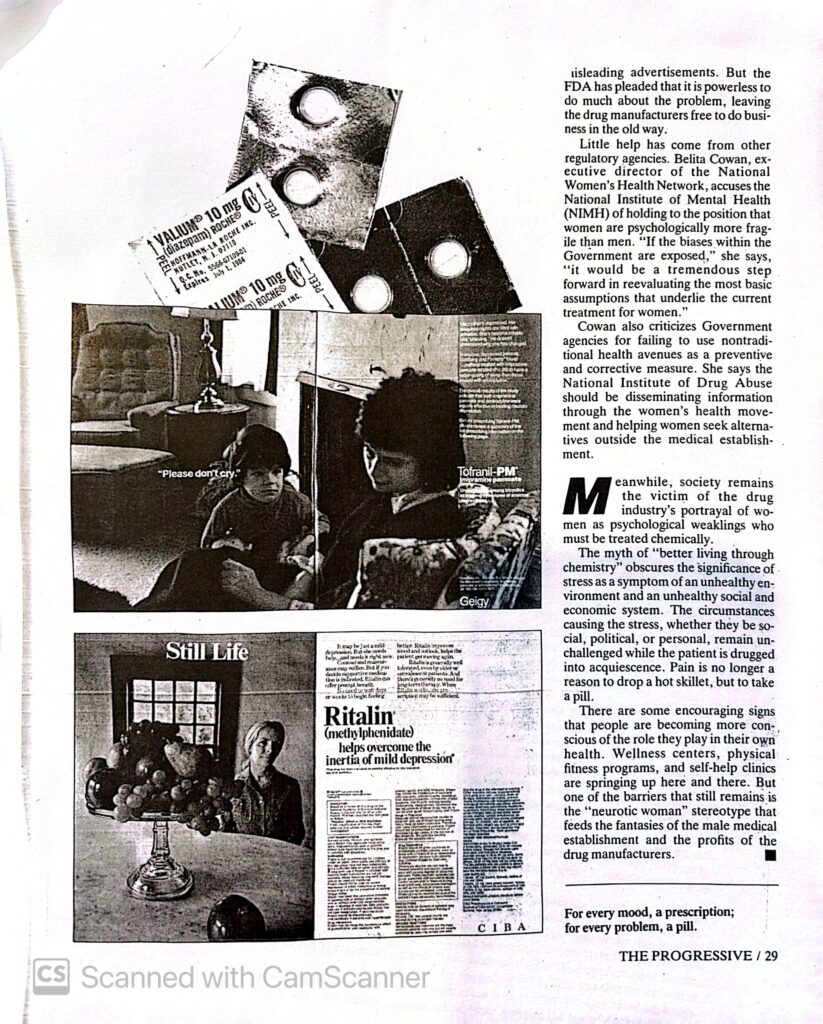
Kiefer, Tona. “The ‘neurotic woman’ syndrome.” The Progressive, December 1980
Lorenz, Tierney, Jordan Rullo, and Stephanie Faubion. “Antidepressant-Induced Female Sexual Dysfunction.” Mayo Clinic proceedings, September 2016. https://pmc.ncbi.nlm.nih.gov/articles/PMC6711470/.
National Women’s Health Network Records, Sophia Smith Collection, Smith College, Northampton, Mass.
Pavlidi, Pavlina, Nikolaos Kokras, and Christina Dalla. “Antidepressants’ Effects on Testosterone and Estrogens: What Do We Know?” European journal of pharmacology, March 4, 2021. https://pubmed.ncbi.nlm.nih.gov/33676942/.
For Further Reading
A great article about the long-term effects of SSRI use
Bergner, Daniel. “What Are Antidepressants Doing to Teen Sexual Development – The New York Times.” The New York Times, November 13, 2025. https://www.nytimes.com/2025/11/12/magazine/antidepressants-ssris-teen-sexual-side-effects.html.
I recommend listening to “Mental Health Services for Sexual and Reproductive Health,” also on the website!