Maeve Reynolds
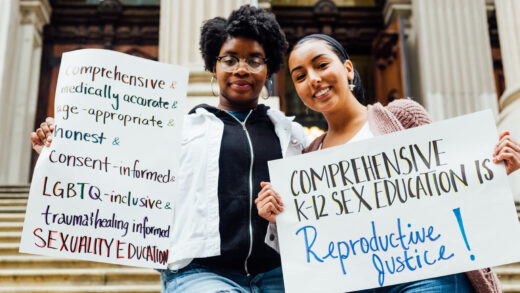
The fight for adequate, comprehensive sex education in schools is never ending. By highlighting sex-ed reform from past and present alongside current sex education regulations, this podcast notes the importance of comprehensive sex education amidst restrictions on reproductive services and information about sexual health.
Transcript
On Thursday, November 13, 2025, the Michigan State Board of Education approved highly controversial sex education reforms in spite of considerable criticism from parents and advocacy groups.
According to U.S. News, these new guidelines included lessons regarding gender identity and expression and sexual orientation beginning in elementary school, and lessons on contraception, consent, digital safety, sexually transmitted diseases, and forms of sexual exploitation in middle school.
The proposal of comprehensive sex education produced significant upset in Michigan parent communities, who cited parental choice and religious liberties protections as grounds for the rejection of these new guidelines.
These guidelines, however, are just that: guidelines. The new legislation does not mandate comprehensive sex-ed in schools, only encouraging it by giving teachers sufficient grounds and support for their curriculums. Nor does it force student participation; parents can opt their children out of sex-ed programs with no academic penalties.
The pushback against comprehensive sex education in Michigan speaks to a greater shift within national politics, one against sex education as a way to suppress female and LGBTQ+ autonomy.
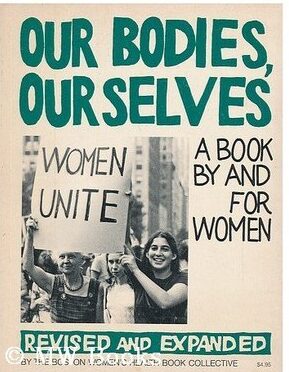
Hello, and welcome to Our Bodies, Our Selves: Notes on Sex Education Reform and Restriction, hosted by me, Maeve Reynolds. Today, we’re going to talk about Our Bodies, Our Selves as an example of sex education from the past, contrasted with what sex education looks like in the present day.
What opponents of comprehensive sex-ed fail to understand is that, regardless of sheltering in the home or censorship in schools, students will learn about sex in one way or another.
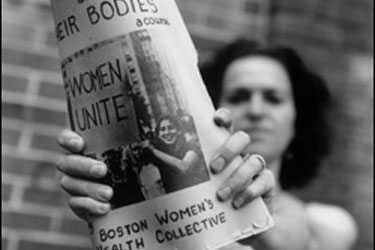
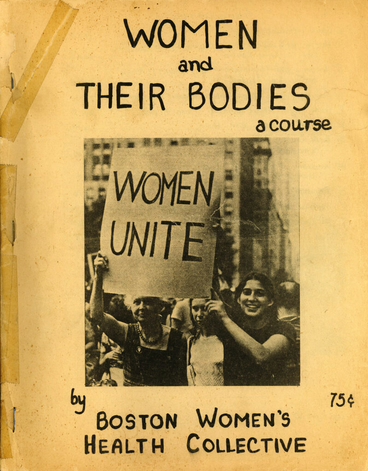
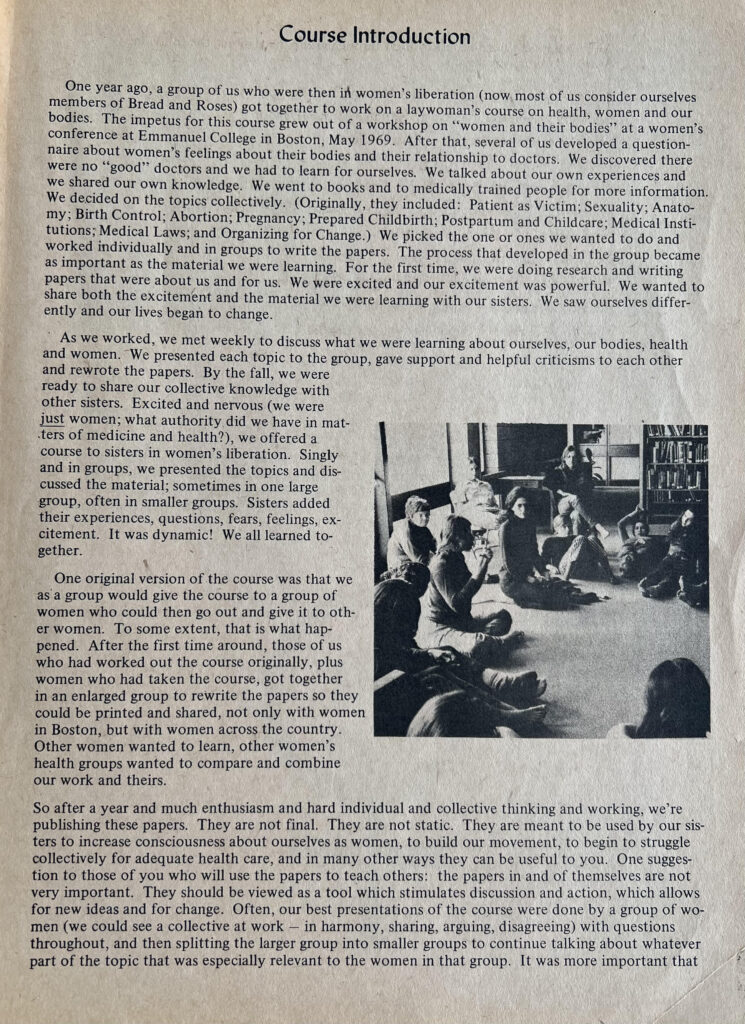
In 1971, before legislation requiring sex education was passed in any American state, the Boston Women’s Health Collective published the first edition of Our Bodies, Our Selves, a book dedicated to educating women about their bodies. With thirteen chapters covering various topics, including but not limited to anatomy, sexuality and sexual orientation, birth control, and venereal diseases, Our Bodies, Our Selves and the work of the Boston Women’s Health Collective is a testament to the ways in which women have always advocated for themselves. Because of a lack of government intervention regarding sex-ed in their schooling and lives, these women stepped up to educate the female youth on information essential to their autonomy in personal and medical spaces.
Our Bodies, Our Selves is a positive example of accurate and informative sex education outside of schools. However, this is a rare case, especially as we are now entrenched in the age of the internet.
Information and misinformation about sex is rampant and widely accessible online. As a result of this, children are easily exposed to inappropriate sexual content, even with parent moderation and age restrictions on media. Instead of trying to protect our children from sex education in schools, we need to protect them from sexual exposure online.
We need to be giving students accurate, appropriate information about their bodies, like the Michigan legislation details. By teaching students about their bodies and promoting healthy relationships with sex, sexual health, and sexuality in appropriate, academic settings, we can combat the spread of misinformation online.
As outlined by “The Sex-Ed Wars Will Never End,” by Jonathan Zimmerman, we exist in an age where reproductive and LGBTQ+ rights are under attack. From the initial overturning of Roe v. Wade, to the “Don’t Say Gay” law in Florida prohibiting the instruction of anything LGBTQ+, and, more recently, the erasure of the word transgender from the National Park Service website (as recorded by NPR), the government is trying to prevent access to education so that they can remain in control of marginalized bodies.
The denial of proper education combined with the spread of misinformation is a dangerous combination that limits the autonomy of our students. Therefore, it is more important than ever that we accurately educate young people about reproductive and sexual health and safety in schools so that they can make informed decisions about their bodies.
Thanks so much for tuning in! For more information, pictures, and resources, check out the links down below.
References
Dooher, Kathleen. Woman Holding Copy of Our Bodies, Our Selves. 16 Oct. 2011. Rewire News Group, https://rewirenewsgroup.com/2011/10/16/our-bodies-ourselves-turning-40-going-global/. Accessed 4 Dec. 2025.
Kim, Juliana. “Park Service Erases ‘transgender’ on Stonewall Website, Uses the Term ‘LGB’ Movement.” NPR, NPR, 14 Feb. 2025, www.npr.org/2025/02/14/g-s1-48923/stonewall-monument-transgender-park-service.
“National Women’s Health Network Records, Sophia Smith Collection, Smith College, Northampton, Mass.” https://findingaids.smith.edu/repositories/2/archival_objects/120780 Accessed November 15, 2025.
Our Bodies Our Selves. “The Nine U.S. Editions .” Our Bodies Our Selves, 2025, ourbodiesourselves.org/the-nine-us-editions.
The Soundlings, “Creme Brulee,” Youtube Audio Library.
“The Nine U.S. Editions | Our Bodies Ourselves.” Our Bodies, Our Selves, 2025, ourbodiesourselves.org/the-nine-us-editions.
U.S. News Associated Press. “Michigan Adopts Updated Sex Education Standards after Contentious Meeting.” U.S. News & World Report , 2025, www.usnews.com/news/best-states/michigan/articles/2025-11-14/michigan-adopts-updated-sex-education-standards-after-contentious-meeting.
Zimmerman, Jonathan. “The Sex Ed Wars Will Never End .” Politico , 2022, www.politico.com/news/magazine/2022/05/11/the-sex-ed-wars-will-never-end-00031256.