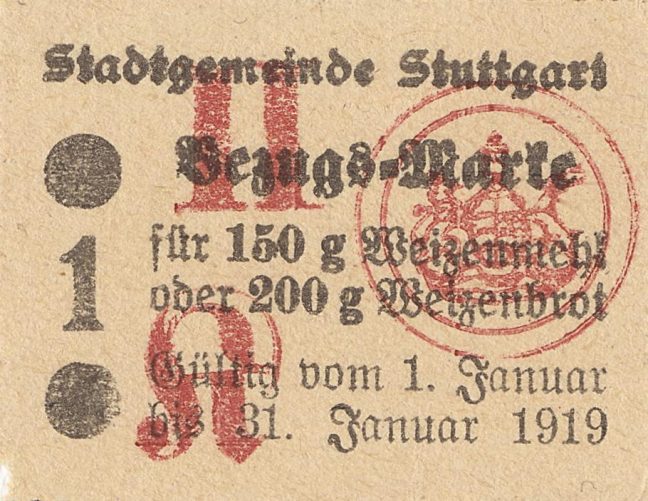
Stadtgemeinde Stuttgart Bezugs-Marke Januar 1919 für 150 g Weizenmehl oder 200 g Weizenbrot
Transitions: From the Old Order to the New 1890-1930
GER 297 | Fall 2018

Food Rations
Toward the end of the war and continuing well into the 1920s, food was scarce for the general populace.
Therefore, what food there was had to be rationed.
Coupons were issued that specified how much of a particular foodstuff could be received in exchange for the coupon.
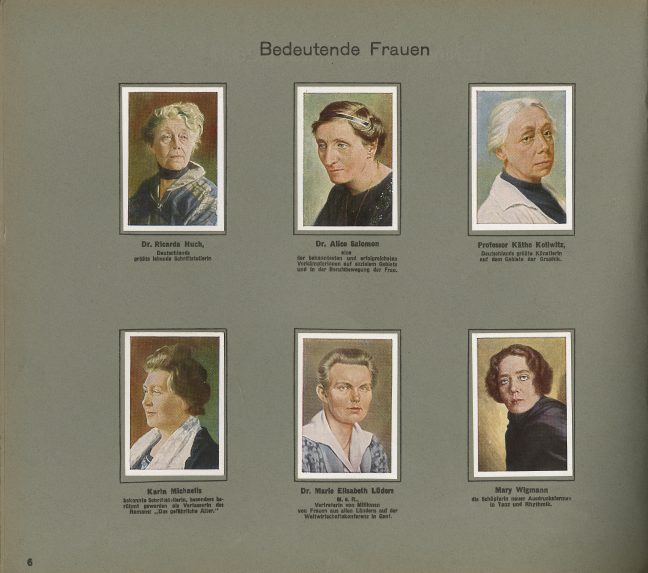
Notable Figures of Post-War Germany
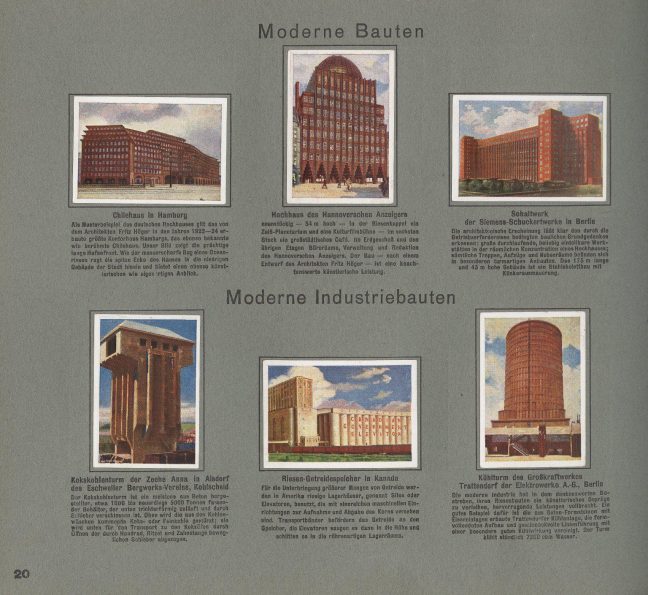
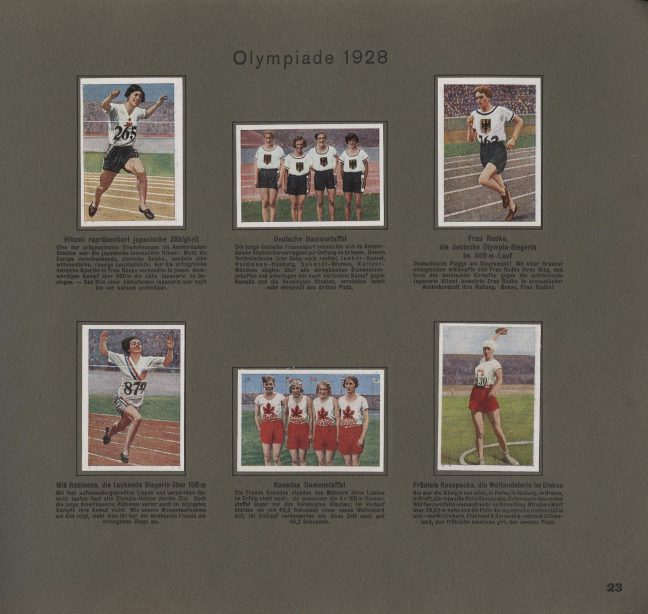
The popularity of cigarette card albums in the postwar years in Germany was due in part to their offering the public a chance to see things from around the world in their own home. Advances in mass producing color images and collecting them in such albums made them something like a “personal museum”.
One of the most popular albums of the 1920s was the series “Die Welt in Bildern” (The World in Pictures), of which there were five. Among the many different topics they covered, ranging from earlier centuries to the present and from Indonesian dance, or African ceremonial masks, to modern architecture and film stars, there were also pages devoted to contemporary German cultural figures in literature, stage and the visual arts.
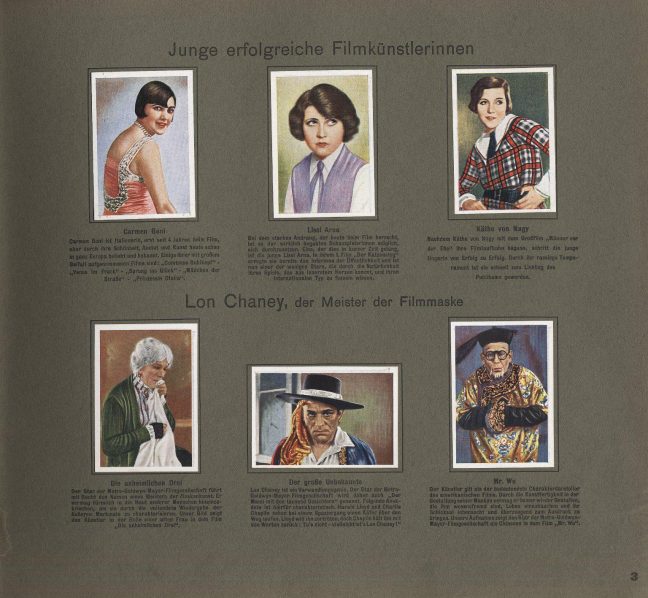
Notable Figures of Post-War Germany
The popularity of cigarette card albums in the postwar years in Germany was due in part to their offering the public a chance to see things from around the world in their own home. Advances in mass producing color images and collecting them in such albums made them something like a “personal museum”.
One of the most popular albums of the 1920s was the series “Die Welt in Bildern” (The World in Pictures), of which there were five. Among the many different topics they covered, ranging from earlier centuries to the present and from Indonesian dance, or African ceremonial masks, to modern architecture and film stars, there were also pages devoted to contemporary German cultural figures in literature, stage and the visual arts.
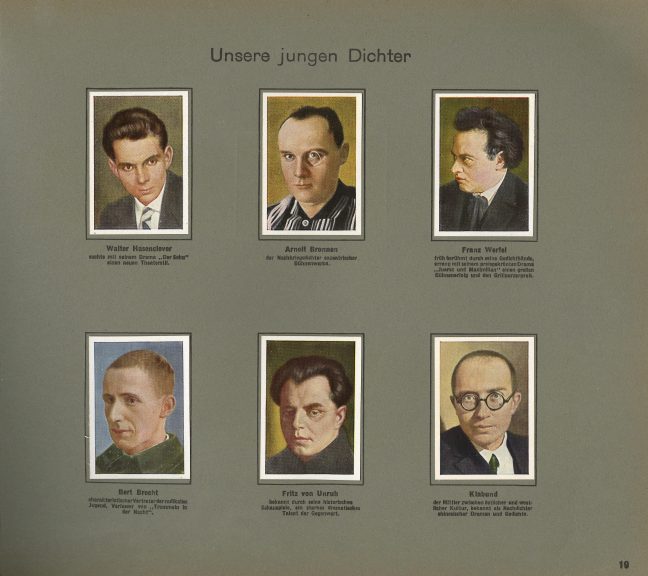
Notable Figures of Post-War Germany
The popularity of cigarette card albums in the postwar years in Germany was due in part to their offering the public a chance to see things from around the world in their own home. Advances in mass producing color images and collecting them in such albums made them something like a “personal museum”.
One of the most popular albums of the 1920s was the series “Die Welt in Bildern” (The World in Pictures), of which there were five. Among the many different topics they covered, ranging from earlier centuries to the present and from Indonesian dance, or African ceremonial masks, to modern architecture and film stars, there were also pages devoted to contemporary German cultural figures in literature, stage and the visual arts.

The Rising of Stamps
Stamps have a funny way of tracking both the mail and the strands of history. One look at any stamp will speak a thousand words: When was it made, where did it come from, who or what is it honoring, and why?
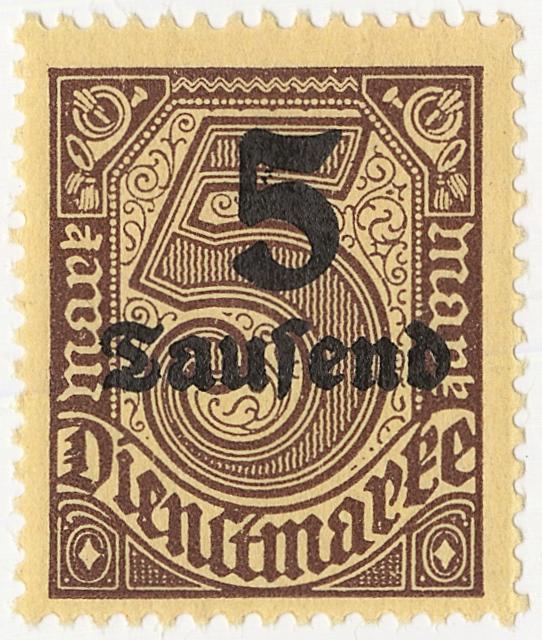
Questions like this shows how stamps serve as a conductor through history. Even the darker periods. The postage before you reflects a different time in Germany. Where poverty, depression, and unemployment were the norm.
When the Inflation period came in 1923, Germany was not prepared for the great tumult it would bring. Prices for essentials like food skyrocketed from mere thousands to literally billions. Citizens had to scramble to even afford a piece of bread!
Postage was also affected and stamps reflected that heavy burden of Inflation.
The Rising of Stamps
Stamps have a funny way of tracking both the mail and the strands of history. One look at any stamp will speak a thousand words: When was it made, where did it come from, who or what is it honoring, and why?
Questions like this shows how stamps serve as a conductor through history. Even the darker periods. The postage before you reflects a different time in Germany. Where poverty, depression, and unemployment were the norm.
When the Inflation period came in 1923, Germany was not prepared for the great tumult it would bring. Prices for essentials like food skyrocketed from mere thousands to literally billions. Citizens had to scramble to even afford a piece of bread!
Postage was also affected and stamps reflected that heavy burden of Inflation.