The world of art is more expansive than many of us realize, as the creation of goods impacts society on a social, economical, and political scale. Ceramic materials demonstrate cross-cultural communication through the repeated improvement of the technology used to produce them, changes in common motifs, and the general high demand around the globe. Sometimes these interactions were between nations within a few decades, sometimes they can be found within a singular country over the course of centuries.
Ready to explore a world of blue-and-white ceramics? Click on the Start Your Journey button. Confused on how bias springs up in blue-and-white ceramics? Click on the What Is Bias button. Interested in the nine objects you get to spend some time with? Click on The Objects button. Want to take minute to get familiar with what you’re going to be faced with? Take a minute and find out a little more about blue-and-white ceramics below.
All images within the Ceramic Journey are courtesy of the Five College Collection.
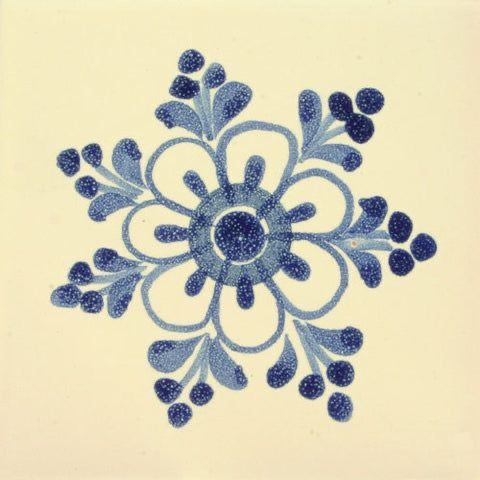
Blue-and-White Ceramics
- a style of ceramic that features cobalt blue pigment on white clay with a clear glaze
- Traditional blue-and-white porcelain originated from Jingdezhen, China
- The cobalt blue glaze originated in Basra, Iraq and was later imported from Persia
- Blue-and-white ceramics were later found in Iran, the Netherlands, Japan, Korea, Spain, and more!
- Each country added decorative motifs, physical shapes, and improved upon existing techniques
- Blue-and-white ceramics have created a uniquely complicated web between different cultures and countries from the 12th century all the way to the 20th century and beyond
- There is a unique cross-cultural Exchange that contains different layers that seep through the objects & their histories
- Personal interest of the creator of this website! Check out the About page!
Proudly powered by WordPress