Remote Water Inquiry

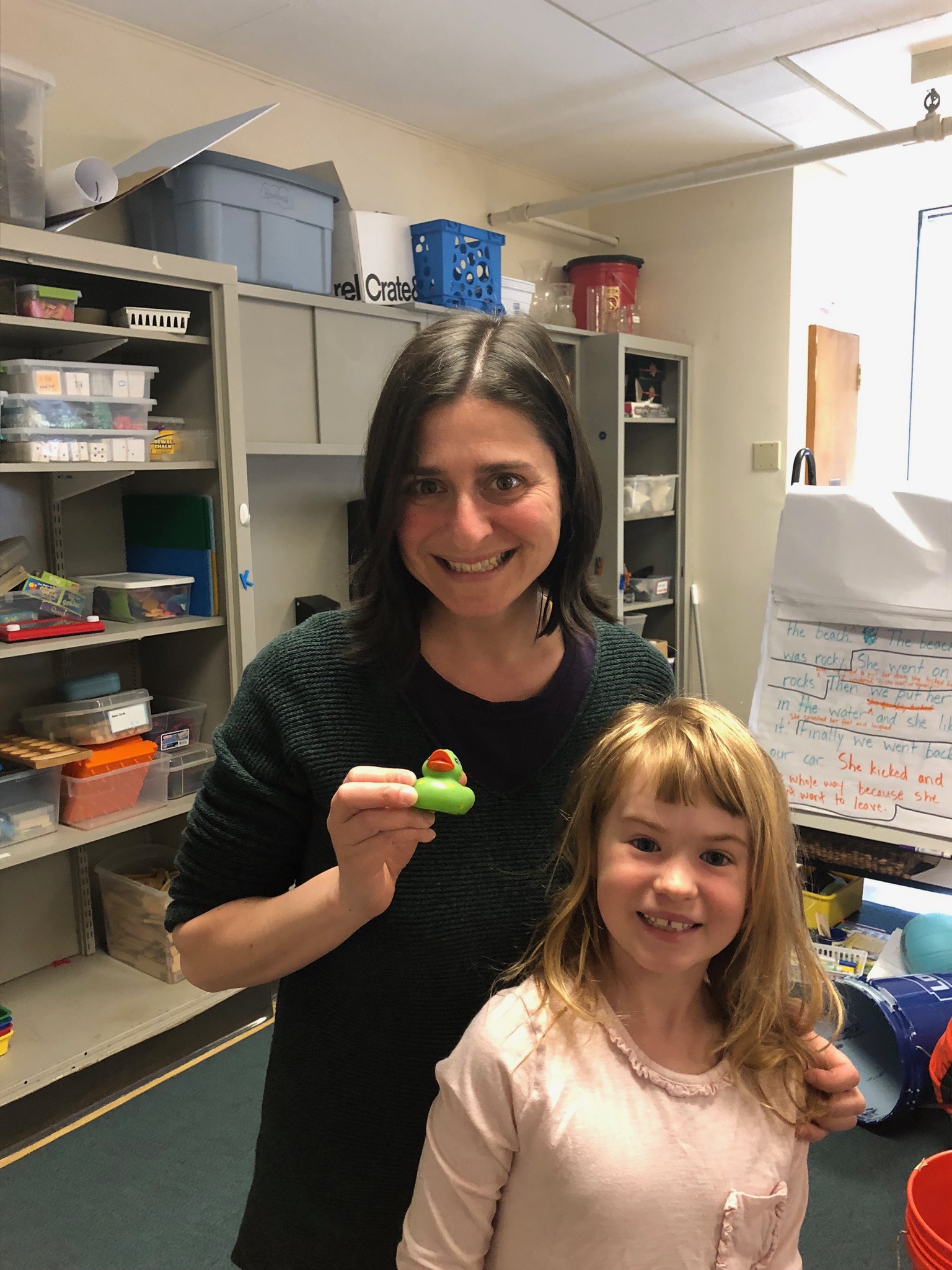
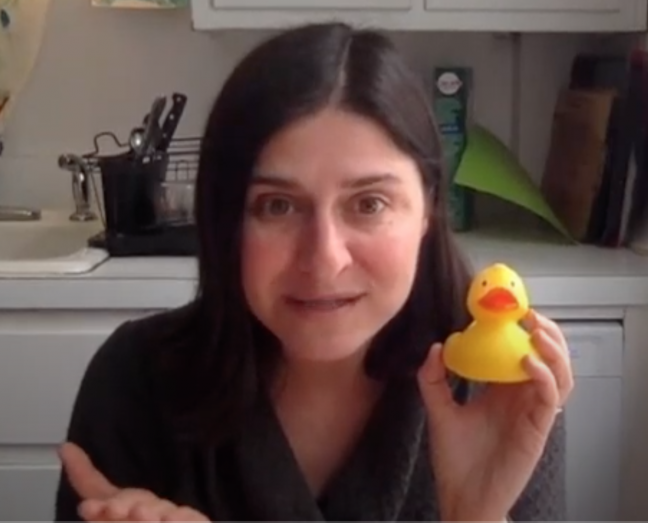
teacher with duck

“This is really going to work online”
teacher with duck
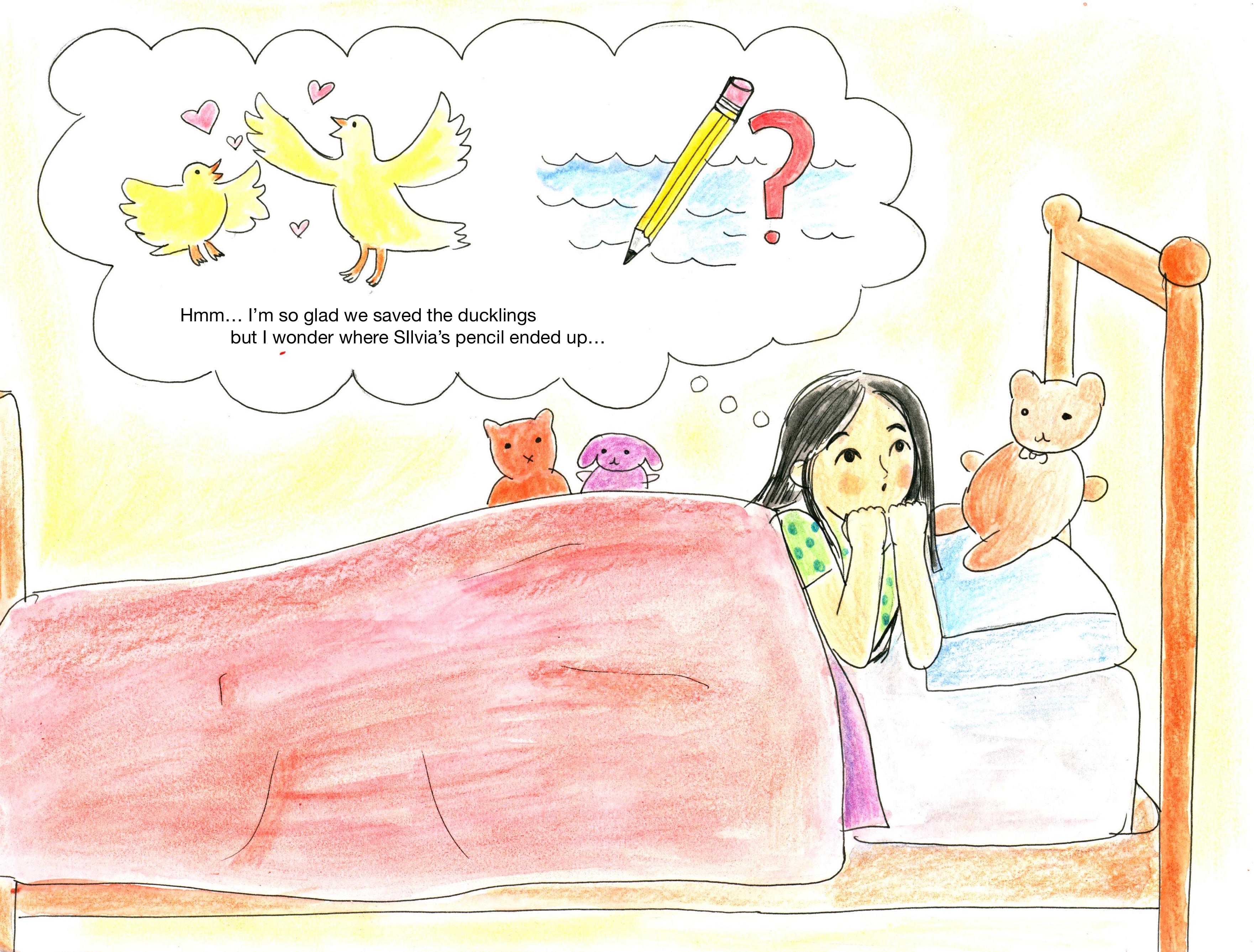
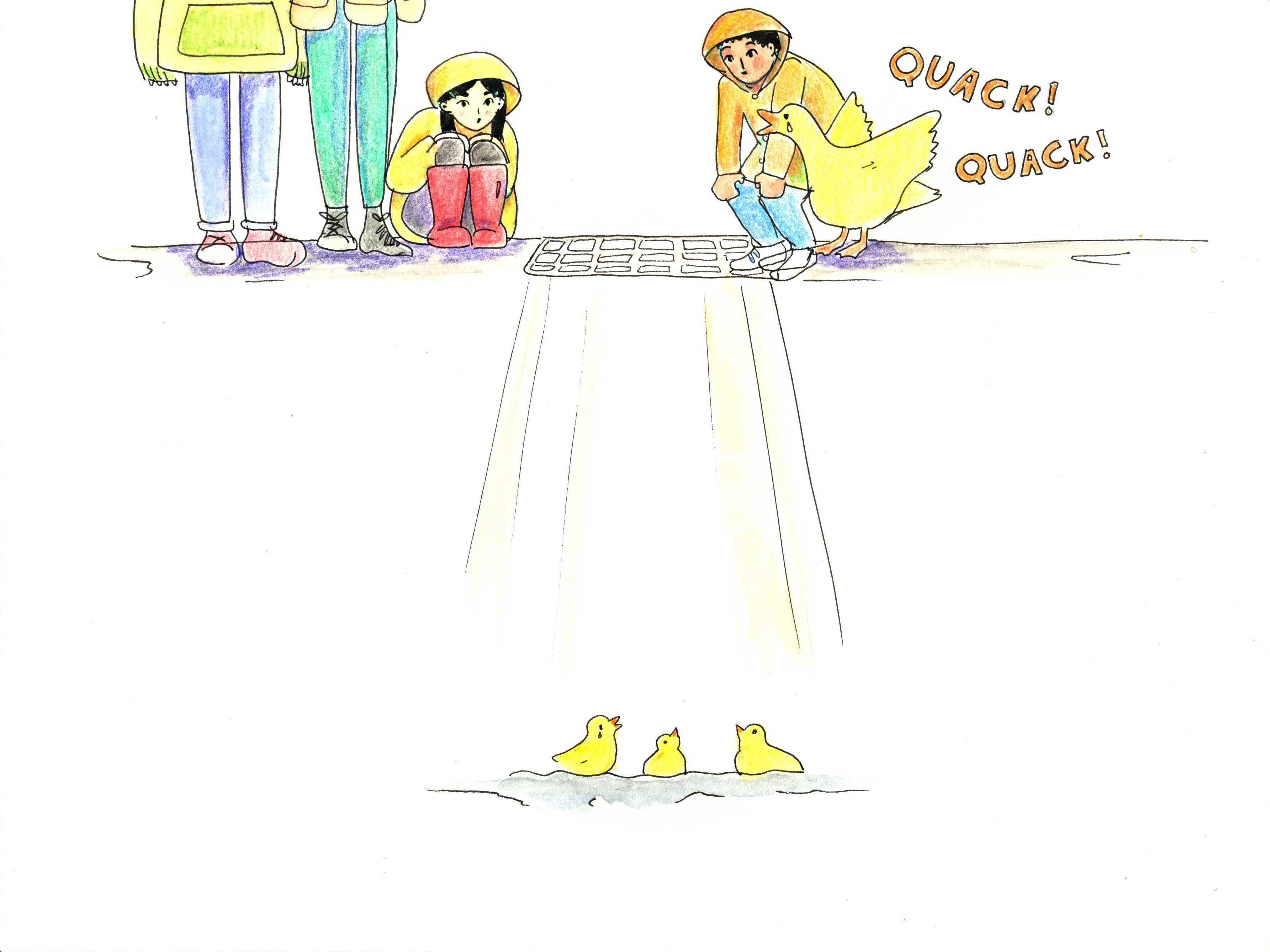
“How would you save those ducklings?” Eva

“I wanted to share with you how I decided to launch the water inquiry this year, under these strange circumstances.” During the pandemic pivot, Eva Jaffe and her first grade students at Campus School piloted a remote version of Inquiry Inc and the Case of the Missing  Ducklings. Thank you Group J for sharing your innovative solutions to storm drain engineering and virtual inquiry!

What does Water Inquiry look like online? 
two children with model
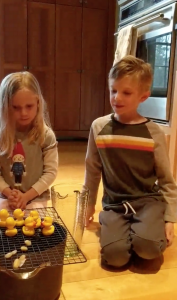
Testing a storm drain model

Eva posted videos of herself reading aloud the illustrated story of the Missing Ducklings in four weekly sessions (see links below). With the help of her sidekick, a yellow rubber duck, Eva introduced inquiry challenges, synthesized student ideas, and showed breaking news of a duckling rescue. Students used Seesaw to post drawings, diagrams, audio clips, and videos. They shared adventures experimenting in kitchen sinks, building backyard storm drains, and documenting downpours. Cameo appearances included barking dogs, disappearing cats, encouraging parents, and sibling assistants: “My sister’s going to see if the ducklings can fit through. Now I think that is a NO. Ducklings cannot fit through.”


Creative and resourceful
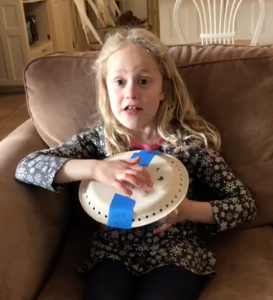
Eva responds to a student post: “That is such a cool idea!”

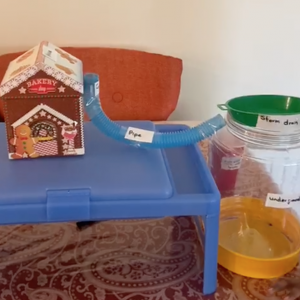
Eva reflected on the remote version of Water Inquiry, “I saw so much more creativity and individual thinking….Kids had to use whatever they had at home and form their own interpretation of what they had to do.” Students improvised storm drain models with a wide range of materials including styrofoam with holes poked in it, cookie cooling racks, screens, pencils taped together, and chicken wire. After testing three materials, one student announced the results: “The one that won is the chicken wire because it’s bigger, and bigger is faster, and faster is better, because it won’t overfill the streets…  the ducks can’t go through the chicken wire!”

Individual Thinking
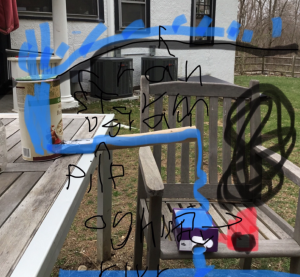
diagram
Storm drain design with labels

Remote water inquiry highlighted the depth and divergence of individual thinking. Eva observed that, “kids who might have been more shy in a group were really able to make their thinking clear.” Students constructed working models and narrated lively explanations: “This is my storm drain and I’m going to tell you a little about it.”  They investigated where water comes from and where water goes through stories, sketches, and videos of rain going: “down, down, down… all the way to this storm drain.”
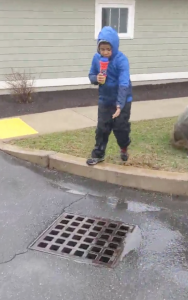
boy with storm drain
Following rain: “down, down, down.”
model
Storm drain model. “This is the house…”


Water Inquiry team learned with and from first graders

emily photo
Emily Buxengaard introduces herself to Group J

Water Inquiry researcher Emily Buxengaard (’22) collaborated with Group J to support their inquiry. She introduced herself in a video: “I’m Emily from the Water Inquiry team and I’m really excited to look at some of your responses to the story of the Missing Ducklings.” A student promptly responded: “Sounds terrific. Nice to meet you.”  Emily enjoyed connecting with first graders and encouraged their idea development. “I responded to many posts by pointing out something I liked about their thinking and asking a question I thought would further understanding.”  Looking ahead to future iterations of remote Water Inquiry, Emily posed the question:  “Are there ways to better engage students who aren’t interacting as much?”

How to build collaborative inquiry in a remote learning environment?
Water Inquiry Logo by Camille Butterfield ’21

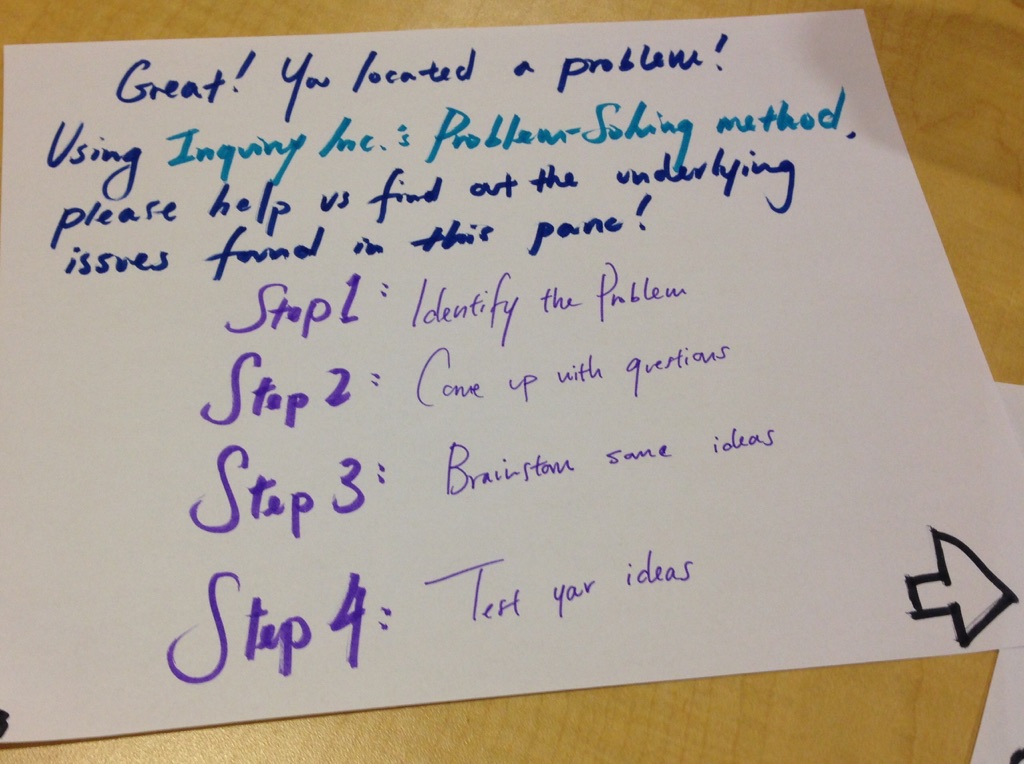
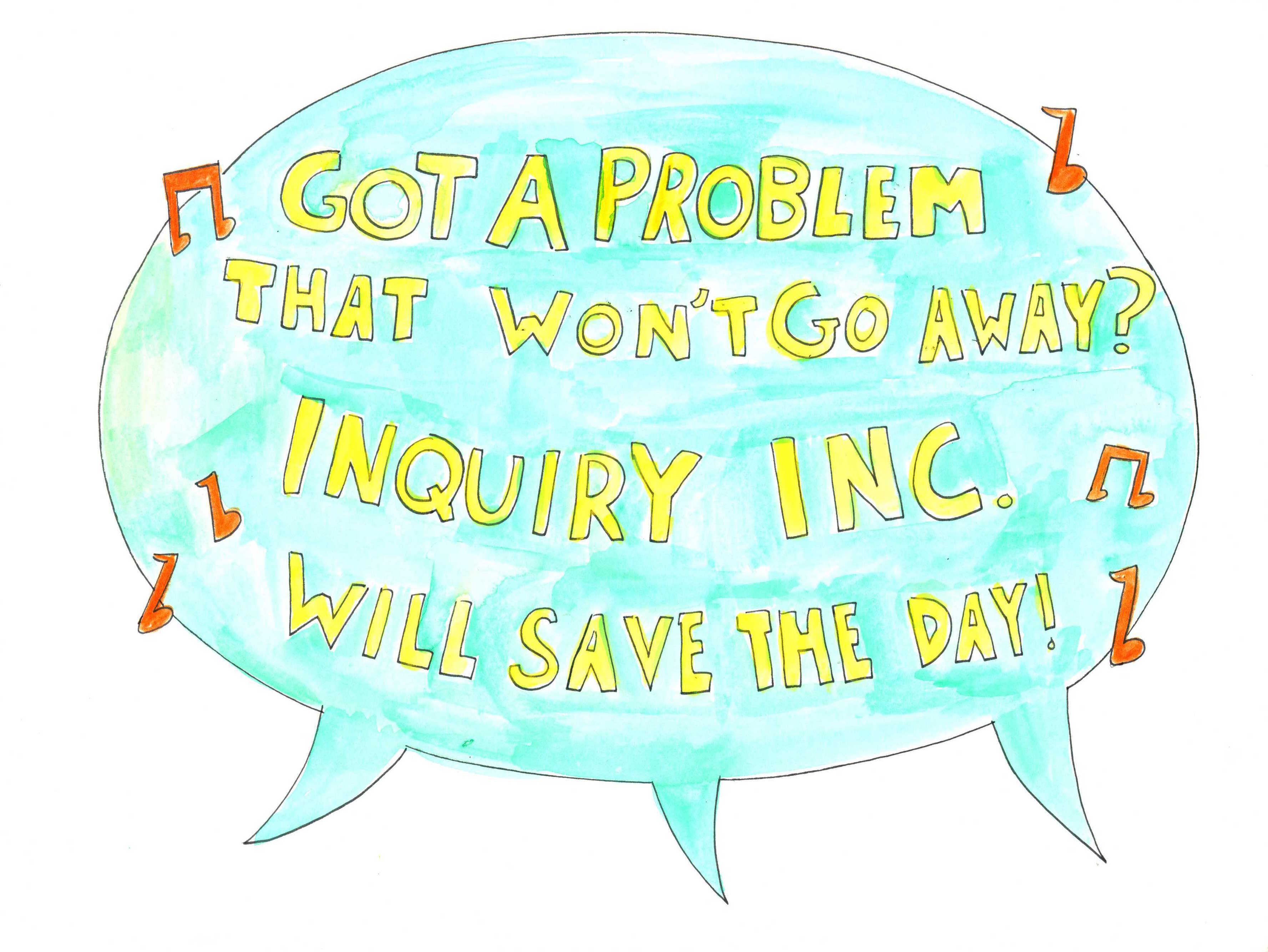
A lingering question from the Group J pilot is how to improve collaborative inquiry online.  Remote learning worked well to deepen and showcase individual thinking, but group collaboration was more challenging. Eva spoke about missing the classroom’s “saturation in Water Inquiry all day every day… Without daily conversations, charting thinking, and seeing work on the walls, it was difficult to figure out a way for all the kids to have access to everybody’s thinking and learning as a group.”  Thank you to Group J for including us in your remote inquiry. We’re inspired by your intrepid problem-solving, just like the story characters: “Got a problem that won’t go away? Inquiry, Inc. will save the day!”


Curious to explore remote Water Inquiry?
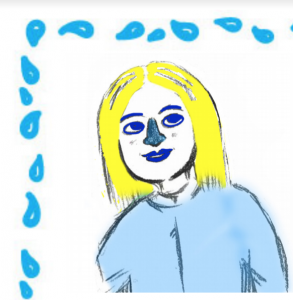
drawing
Stella Bowles, Scientist and Activist, Nova Scotia, Canada. Drawing by Abby Moon (MAT’20).

Check out the Water Inquiry website for illustrated storybooks, educator resources, and student work samples.

Stay tuned for “Making Waves,”  Water Inquiry’s project-in-the-works for  middle school students featuring true stories of youth water activists from around the world.

Water Inquiry welcomes questions, comments, or suggestions. Please contact Carol: cberner@smith.edu


Written by Carol Berner
on behalf of the Water Inquiry team


Links to Eva Jaffe’s YouTube videos of Inquiry, Inc and the Case of the Missing Ducklings:


April showers bring… May storm drains?!

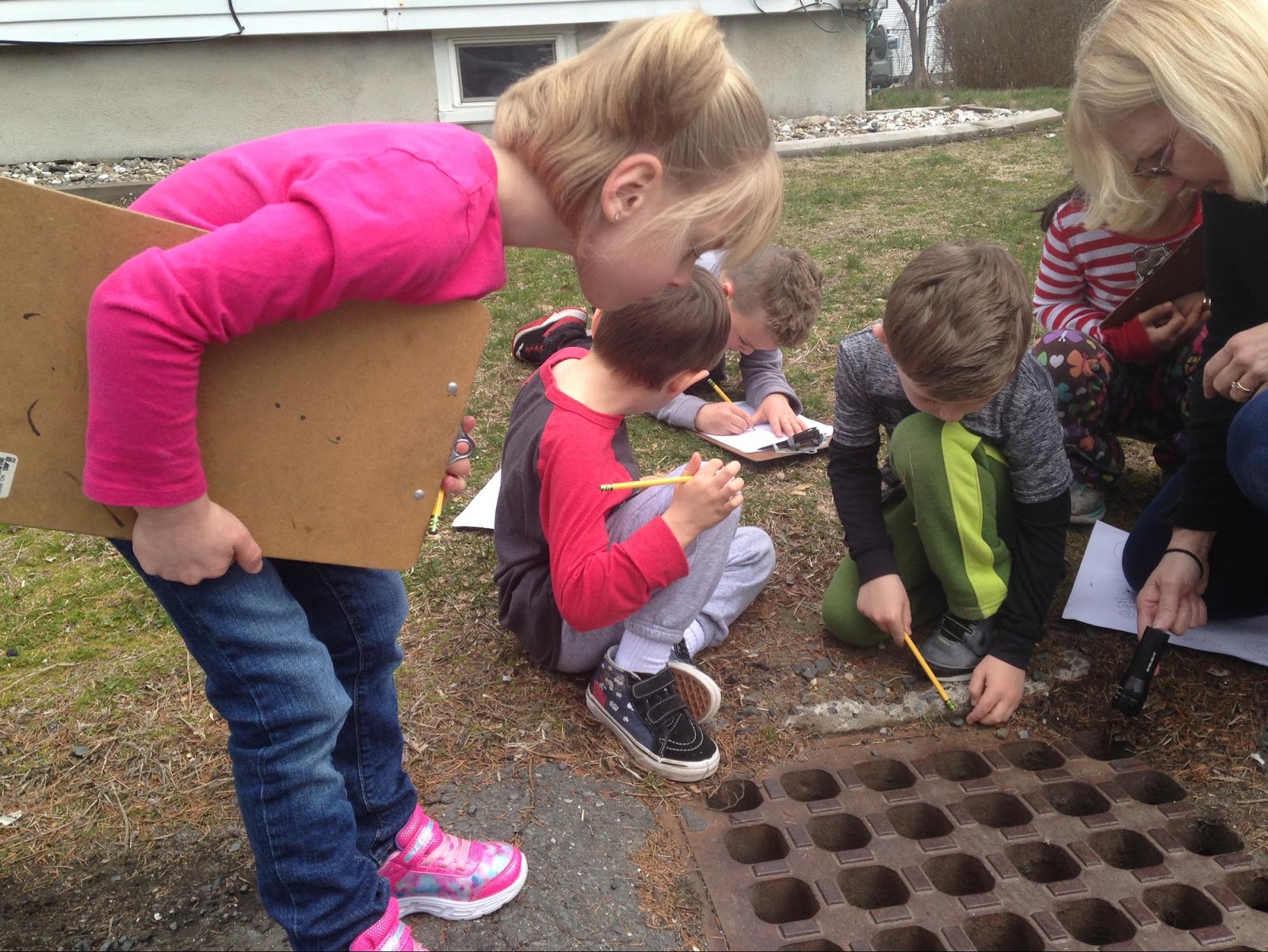
Wonder why first graders were peering intently down storm drains in an April downpour? They were figuring out how to rescue ducklings, prompted by the problem-solving story Inquiry, Inc. and the Case of the Missing Ducklings. This spring, Campus School first grade teachers Eva Jaffe and Emma Pascarella piloted the first in a series of interactive science inquiry stories created by Smith student researchers from the Water Inquiry Story Project. Eva Jaffe reflected about the storytelling pedagogy: “It gave their problem-solving work a purpose. Why bother thinking about storm drains? Because we could come up with a way for Inquiry Inc. to save some lost ducklings!” Continue reading April showers bring… May storm drains?!

A Duckling Story Computer Game? Read on!

It was a Saturday morning in January, -14 degrees, but students at the Williston Northampton School were bundled and ready to learn.  In a basement classroom in Easthampton, Massachusetts, Water Inquiry researchers Brittany Collins and Lily Sun projected images of Inquiry Inc. onto the SmartBoard in Kim Evelti’s Intro to Programming class and introduced students to characters.

In the coming months, high schoolers will work with Water Inquiry to create a computer game that complements our inaugural water story, Inquiry Inc. and the Case of the Missing Ducklings. “Students seem very excited about collaborating with the Smith community,” Lily said after presenting to the class. “Although this is a beginning programming class, I could tell that they want to work hard to execute this vision. Continue reading A Duckling Story Computer Game? Read on!

A Rainy Day Adventure: Theory into Practice

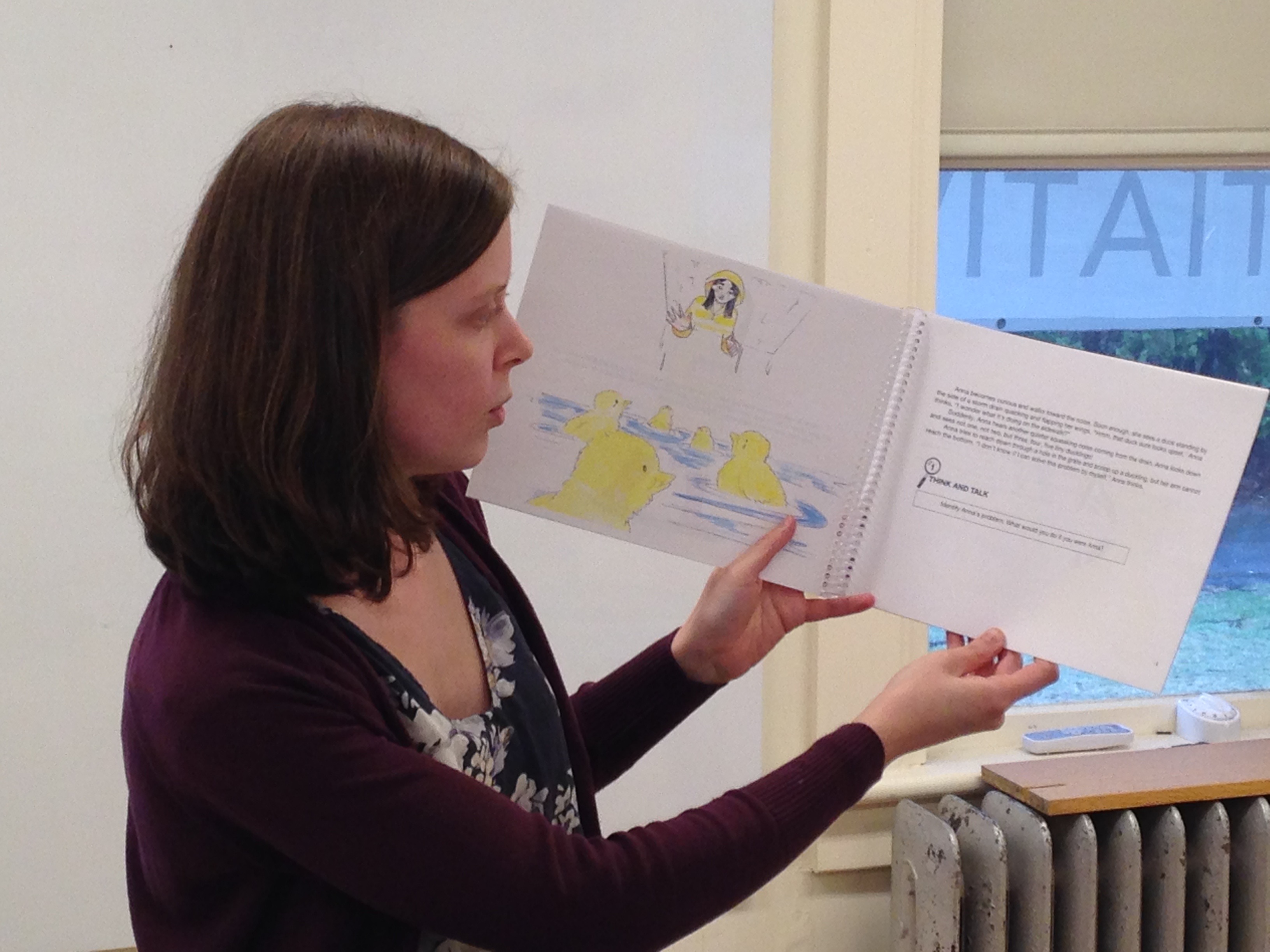
Katy Butler reads “Inquiry Inc and the Case of the Missing Ducklings” at the Water Story Teacher Workshop.

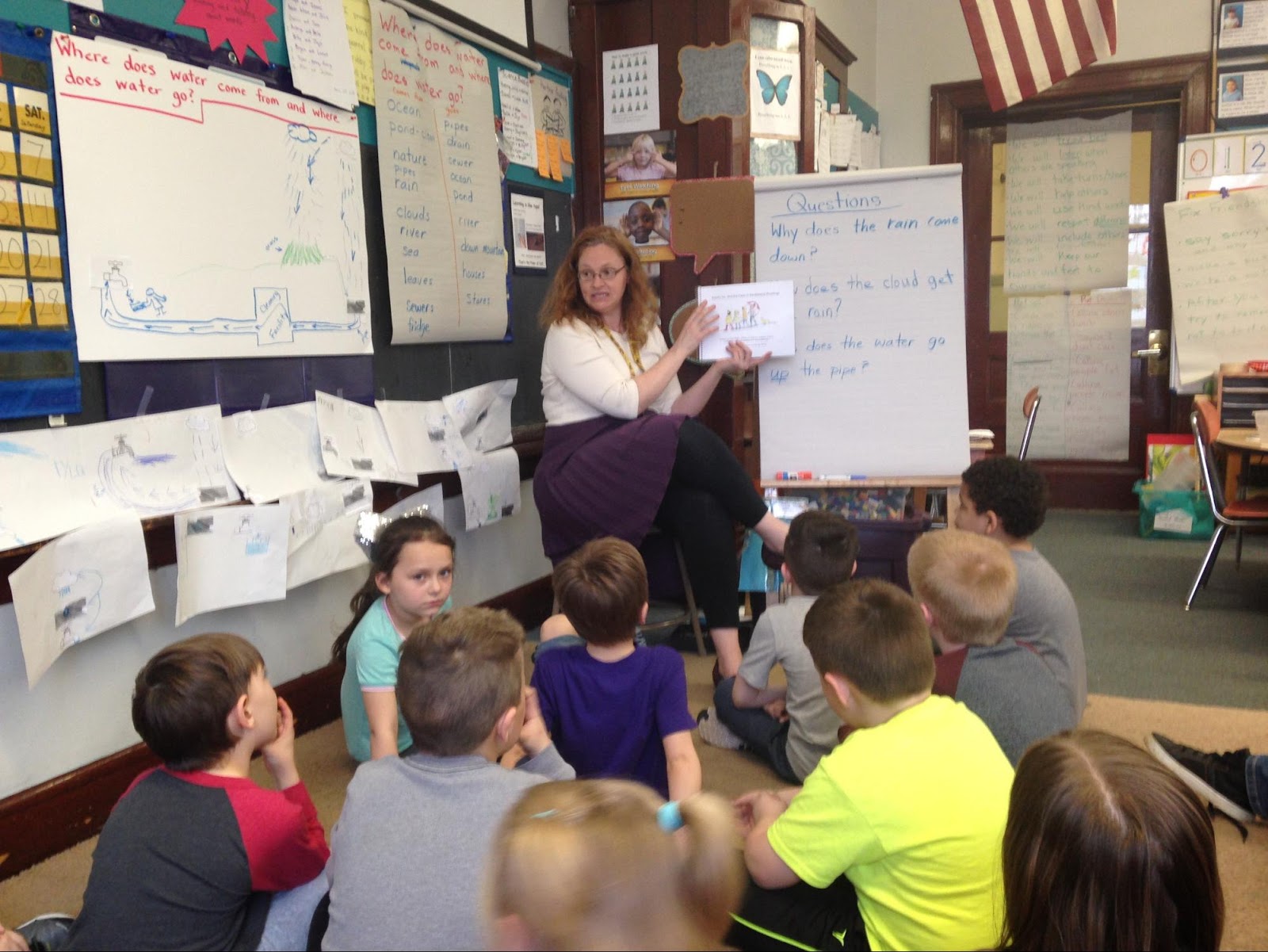
A heavy April downpour set the perfect tone for our first Water Inquiry Story Workshop, held in the Design Thinking Lab of Smith College. Skilled educators from four elementary schools cast dripping umbrellas aside before digging into the learning adventures of Inquiry Inc. and the Case of the Missing Ducklings, our newly published storybook. Pilot teacher Katy Butler introduced the interactive text as she did with her first graders, saying: “It’s a picture book story with characters… the kind of story where we will stop and talk, stop and think, stop and go. You will get to do the activities.”

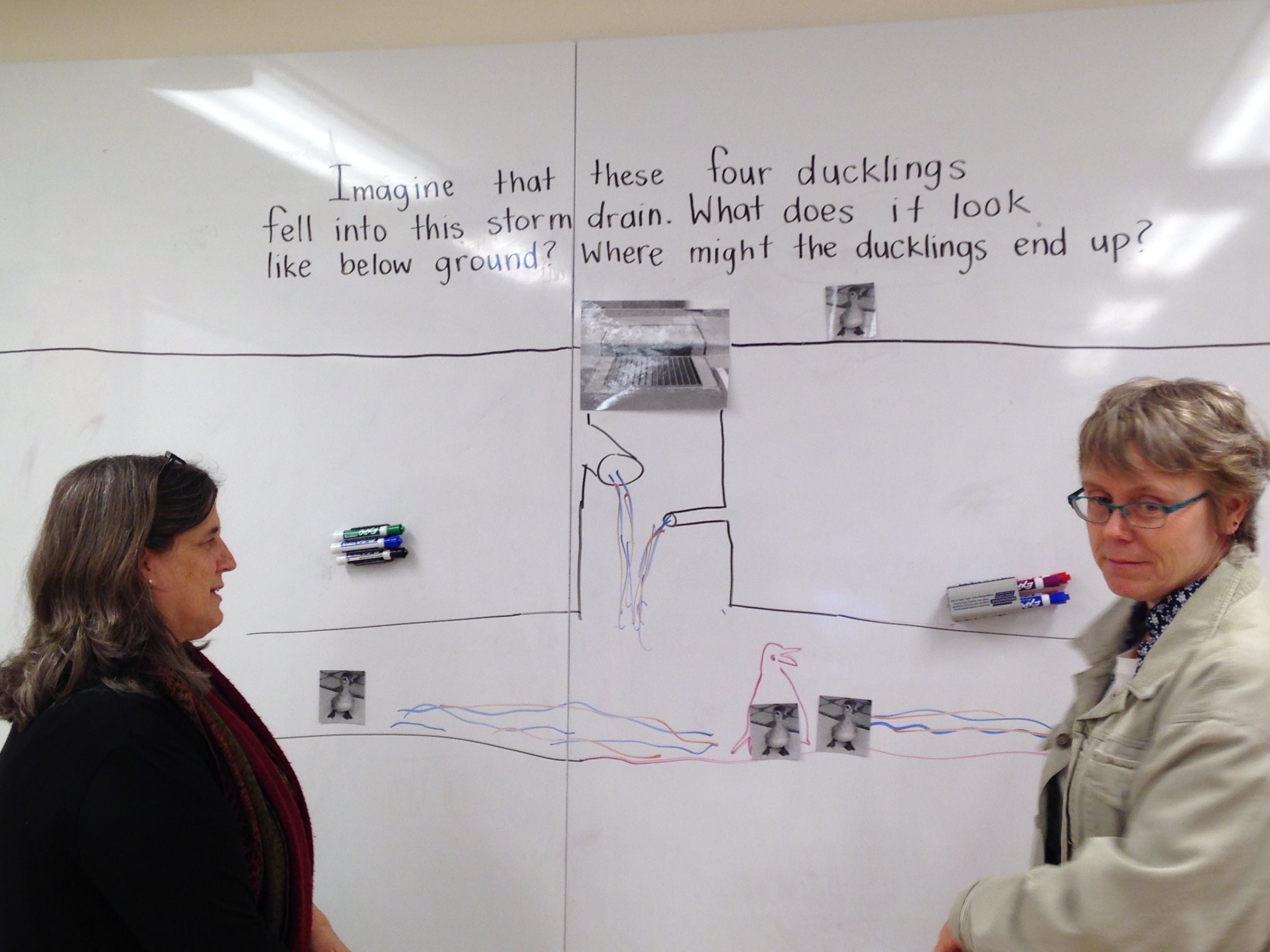
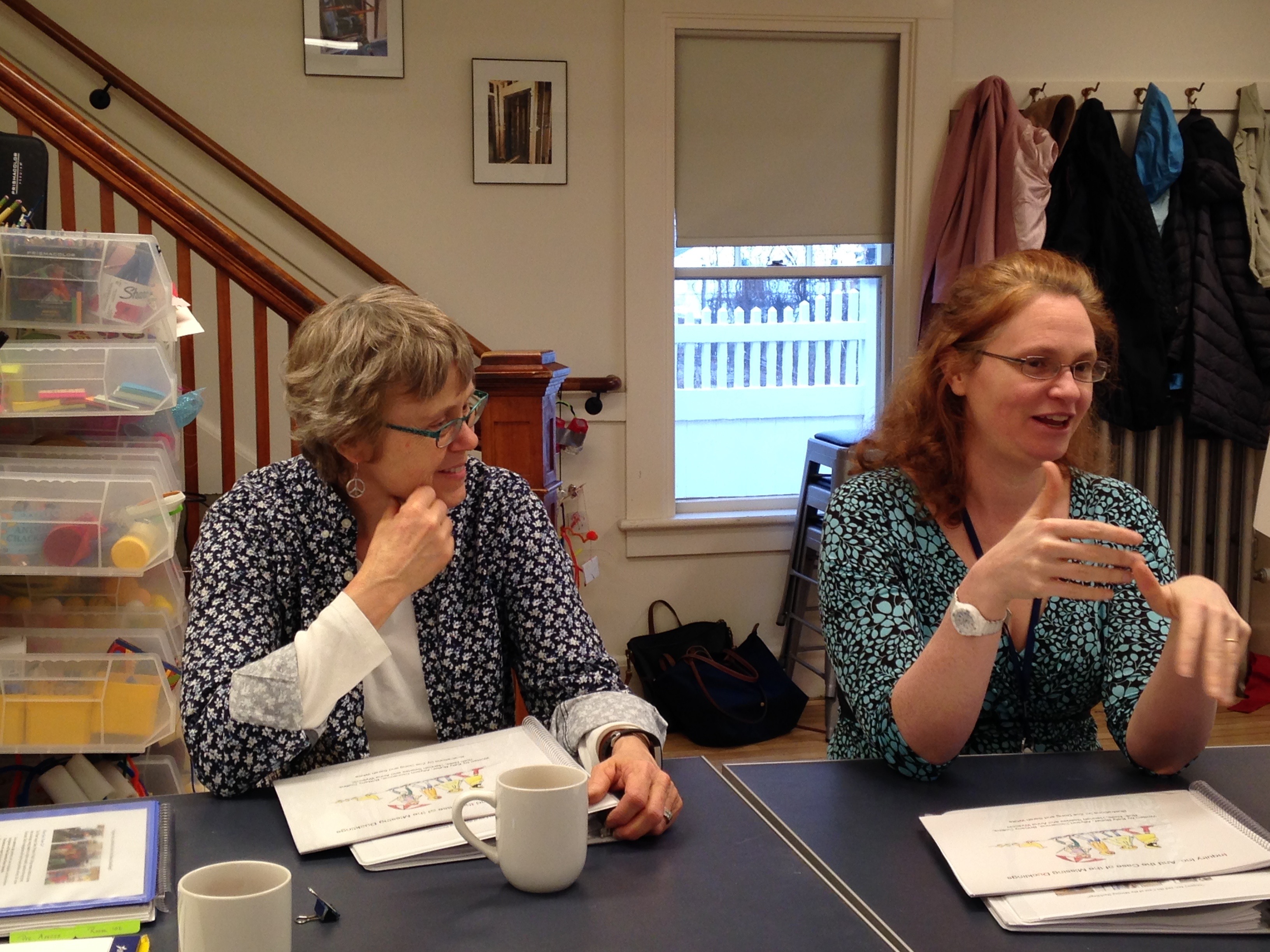
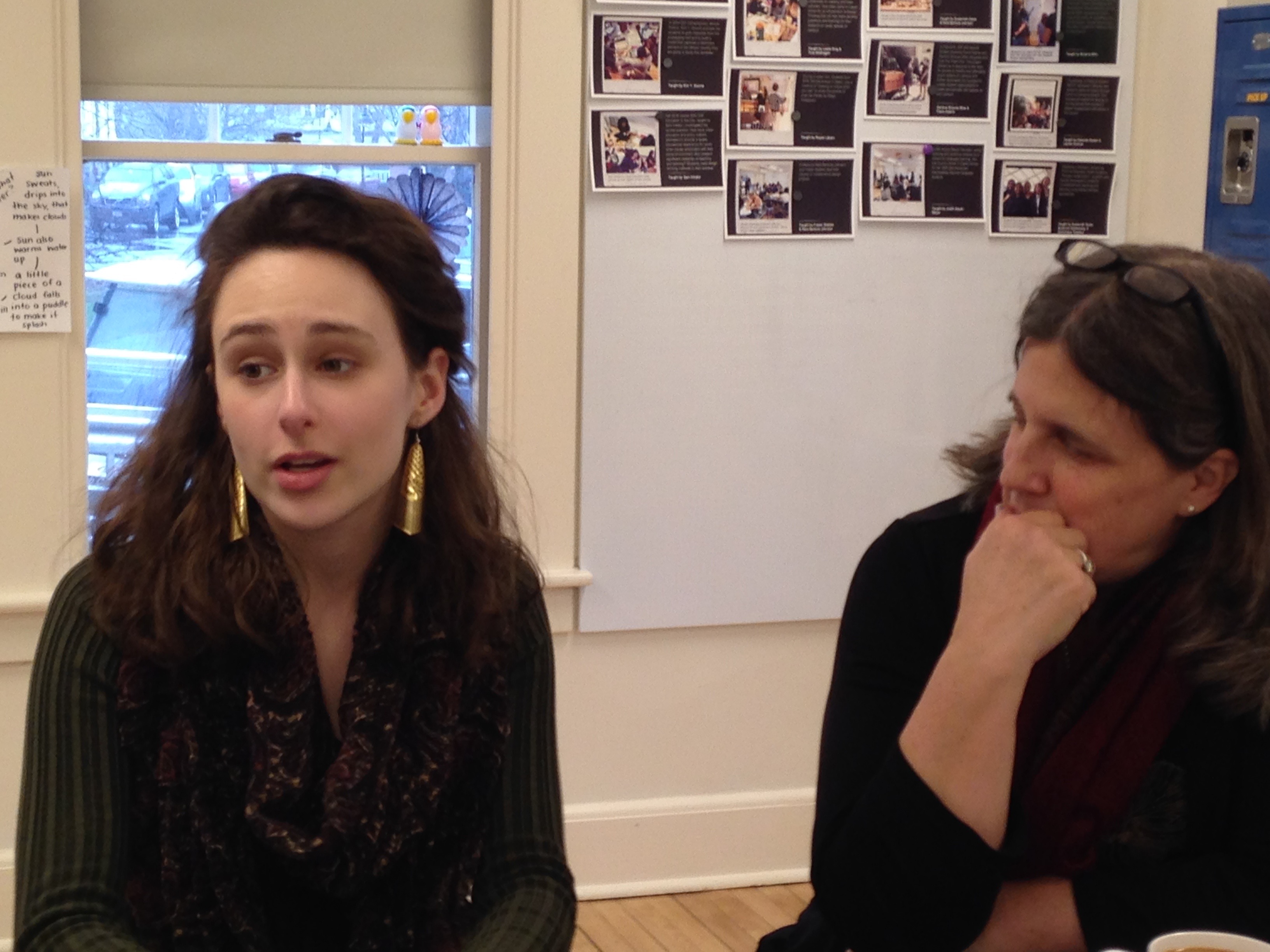
Teachers Jan Szymaszek, 3rd Grade Smith Campus School and Renee Bachman, 3rd Grade Leeds Elementary School, sketch their ideas about where the ducklings will go.

Teachers then had the opportunity to immerse themselves in the student mindset, studying images of storm drains and ducklings, discussing the questions: “Where do you think the water goes?” and “Where will the ducklings go?” before working together to show their ideas about drain design and water pathways. In his new book Wait, What? And Life’s Other Essential Questions, James E. Ryan– Dean of the Harvard Graduate School of Education– writes that, “Inquiry… should always precede advocacy,” and it was, indeed, this sense of participatory engagement that characterized teachers’ efforts to “think… talk… and go” in preparation for doing so with their students.

Illustration by Zoe Dong and Sarah White: story characters investigate how to rescue ducklings from the storm drain.

Opportunities for experimentation and exploration revealed the combined powers of STEM and story. “I love the pauses and premise of the problem” one educator noted, while another shared: “… there is so much that can benefit student writing. It will be powerful for [my students] to have the experience of doing the story activities… it will greatly help their reading and writing.”

Renee Bachman, 3rd grade Leeds Elementary and Margaret Betts, 1st grade Maple Elementary, envision how they will use the story in their classrooms.


The connective power of this Water Inquiry story was revealed, not only through educators’ energetic collaboration, but through the discussion of relational possibilities between the story and math or reading practices, engineering games, field trips– even fundraisers to support organizations that provide clean water in Haiti. Teachers discussed ways to use the story as a complement to inquiries unique to their classrooms, noting interests in environmental activism and the strengthening of connections to their local and global communities.

Allyson Ciccarone (’17), four-year water inquiry researcher, and Jan Szymaszek, share ideas and questions.

Inspired to revise their initial answers about the path of water (and fate of ducklings!), educators left the workshop with answers, ideas, and– most importantly– new questions with which to guide and challenge their students. With copies of the Water Inquiry picture book and activities binder in hand, they left the workshop with a new perspective of the world beneath their rain boots.


If you, too, would like to pilot Inquiry Inc. and the Case of the Missing Ducklings in your classroom, please contact Carol Berner at cberner@smith.edu. And, as always, stay tuned for more Water Inquiry updates. The fun has just begun!

Sincerely,
Brittany Collins writing for the Water Inquiry Story Group

Problem-solving jingle of Inquiry Inc. characters

Katy Butler
Allyson Ciccarone
Brittany Collins
Zoe Dong
Meghan Johnson
Ruth Neils
Hannah Searles
Sarah White
Anna Wysocki
Carol Berner & Al Rudnitsky