Blog

Mission Possible: Adapting Water Inquiry for the Preschool Age Group

In late spring, I was given the opportunity to partner with the Smith College Museum of Art to create and facilitate a water inquiry exploration for preschool-aged children, inspired by Maya Lin’s “Mappings” collection.

Photo Gallery
Background / Context

I spent my formative years at Seattle Country Day School, an inquiry-based school serving gifted students aged kindergarten through eighth grade. Since leaving, I have sought out similar inquiry-based programs elsewhere. These experiences, combined with my background as a preschool teacher and nanny, sparked a curiosity in how inquiry could be implemented for younger ages, and I was thrilled to partner with Carol Berner to expand the Water Inquiry Project to younger audiences.

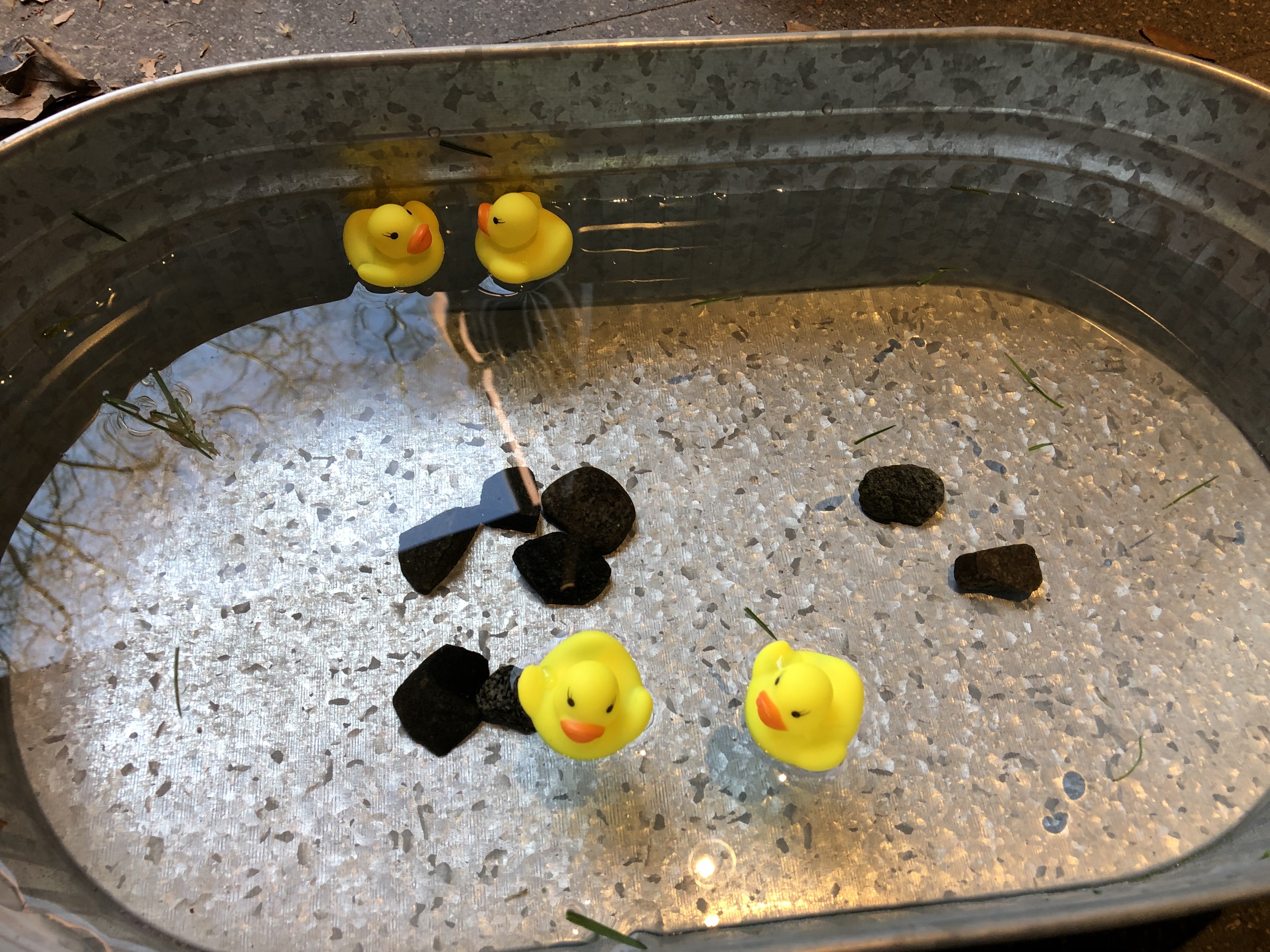
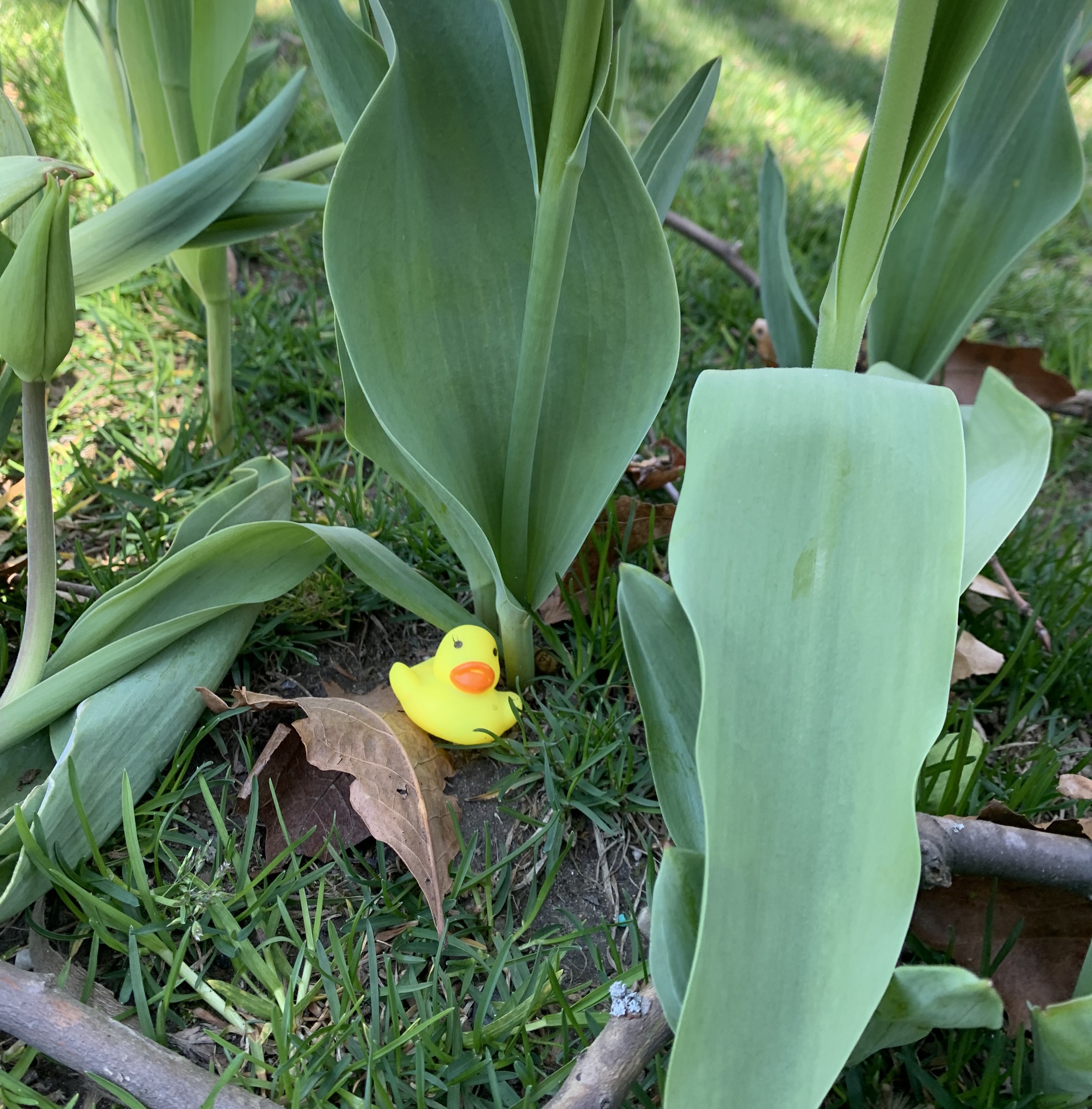
In designing this exploration, I drew inspiration from “The Case of the Missing Ducklings,” both in terms of the vehicle used for inquiry — (rubber) ducks, in this case — and storytelling as a model for investigation and exploration. 

As I firmly believe that the most effective instances of inquiry-based learning are deeply rooted in both place and community, I was excited to collaborate with the Smith College Museum of Art to create a family program.

“What’s the Mission Here?” 

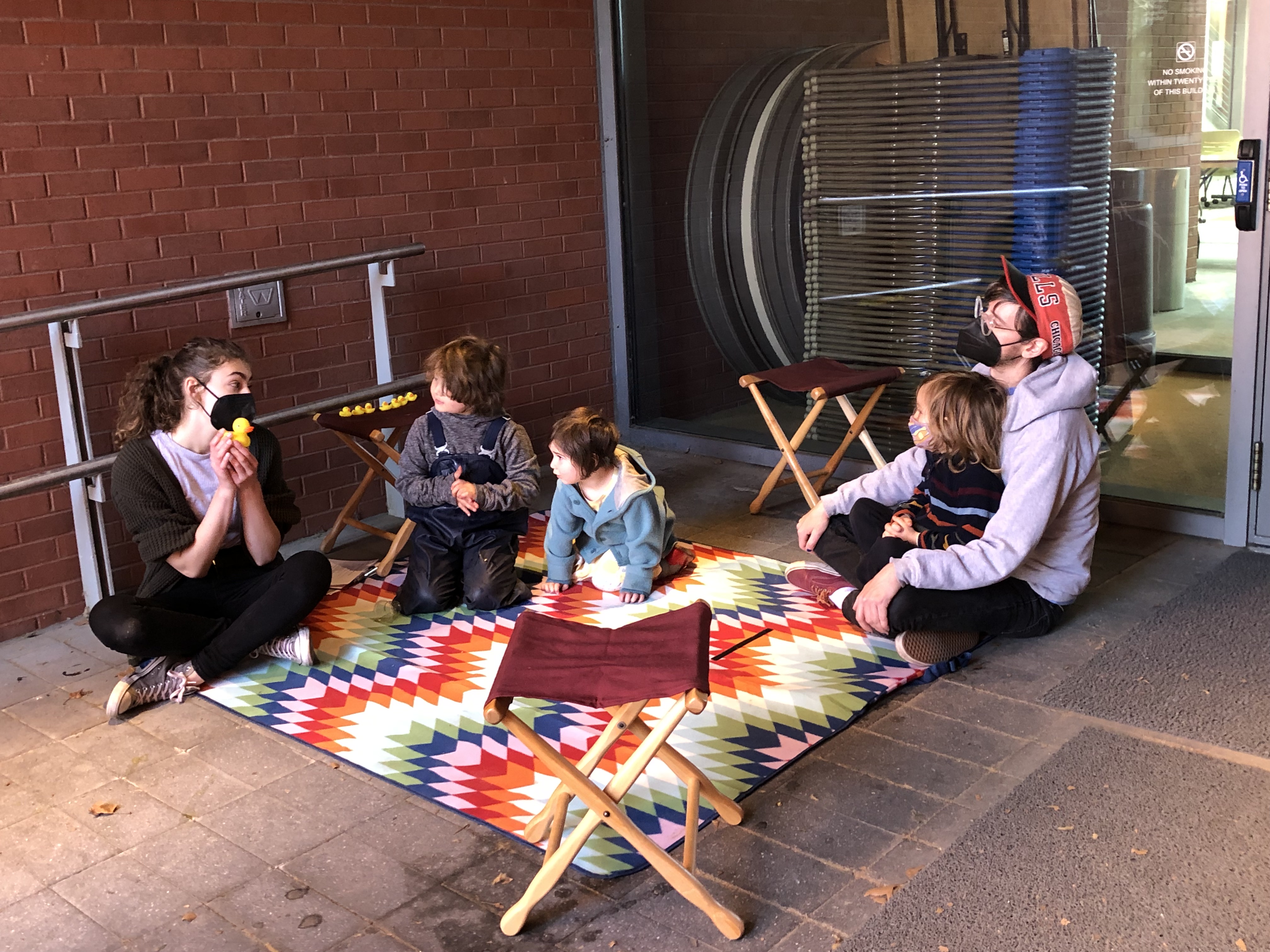
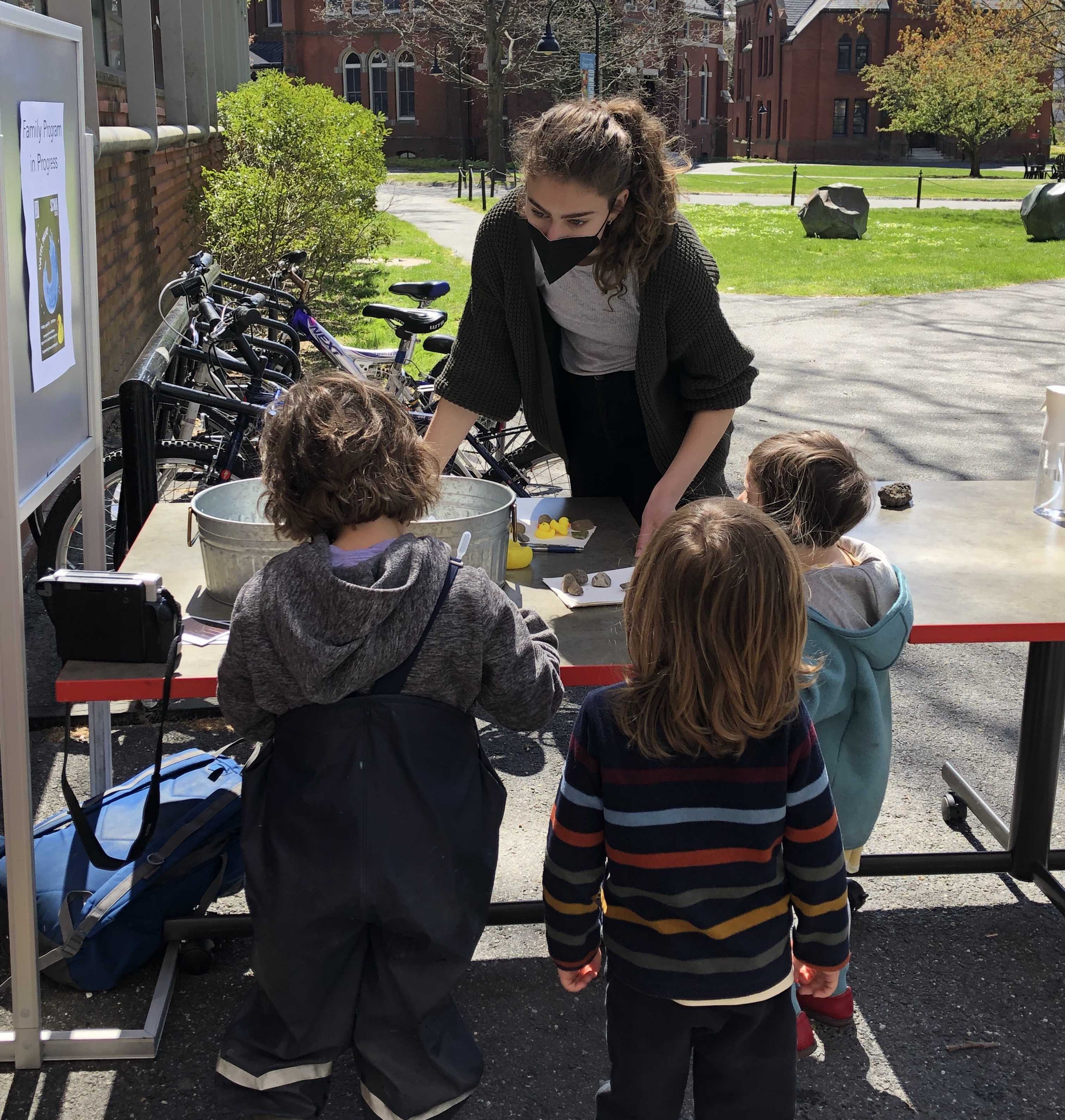
These were the first words out of Nate’s (names have been changed to protect the privacy of children) mouth as he surveyed the rubber ducks floating at his feet, and I immediately knew that my lesson plan was in trouble.

While I had spent weeks carefully curating a lesson plan designed to lead pre-kindergarten-aged children through an exploration of the way water moves and how that relates back to the Maya Lin: “Mappings” exhibition at the Smith College Museum of Art, my scripts and prompts were no match for the energy of the three four-year-olds that stood in front of me. 

They wanted to touch things, experiment with things, know things, and they wanted to do it all now. 

As is the case with any age, but most noticeably with younger students, working with preschoolers requires a certain level of planned opportunism; while you need a general plan in order to situate the children within a concept, you must also have the flexibility and humility needed to embrace the impromptu ideas and curiosities that will inevitably emerge. 

Inspiration

Touring “Mappings” by Maya Lin at the Smith College Museum of Art — coupled with the wonderfully wet Massachusetts winter — reignited my own love of and curiosity surrounding water. I have always been fascinated with water: the various forms it can take, the myriad of ways in which it engages the senses, and the artistry of it. 

As I adjusted to life in a place very unlike where I had grown up, I became intrigued with the idea of water as landmark and how the physical boundaries set by water define the spaces we inhabit. 

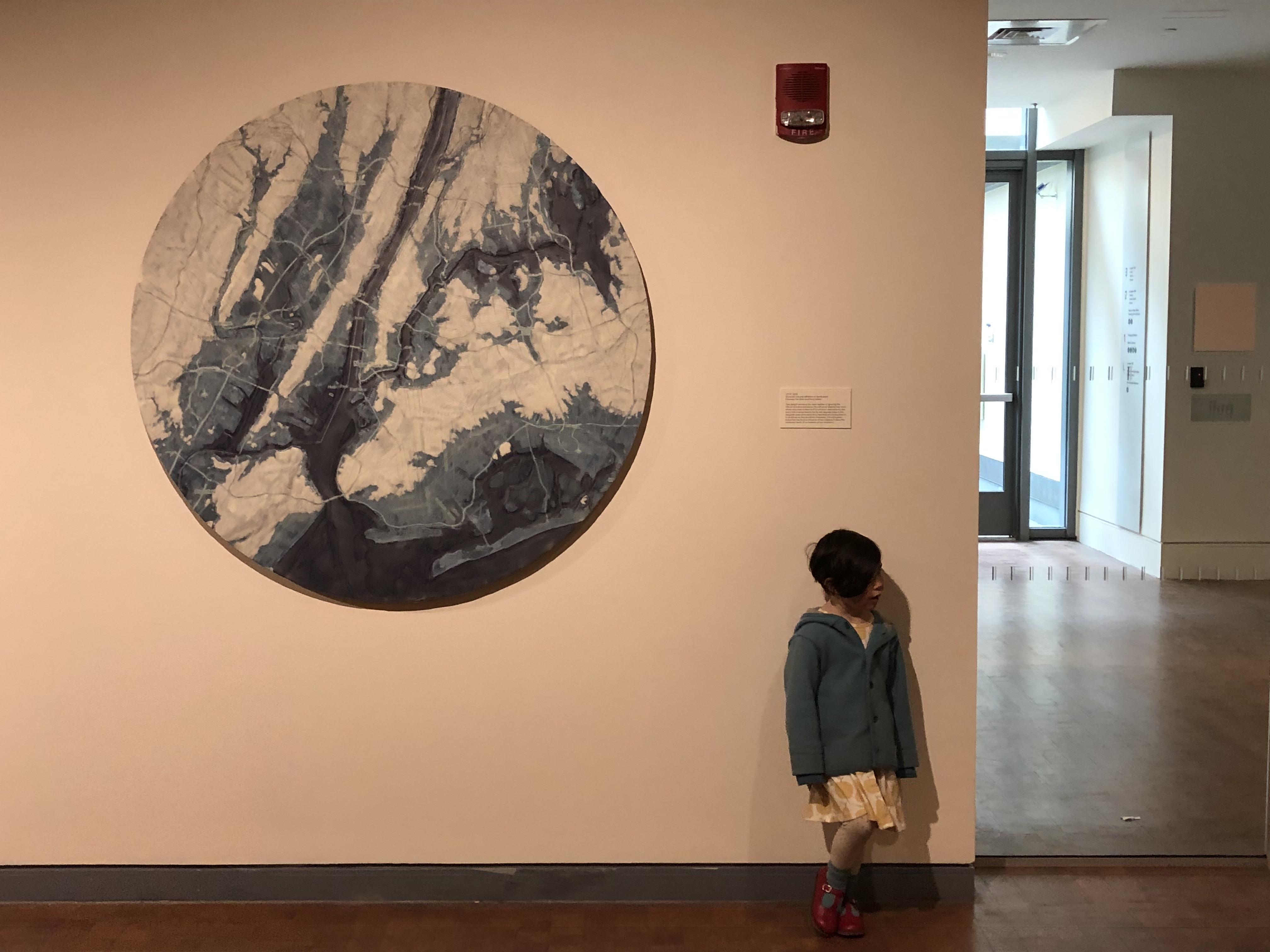
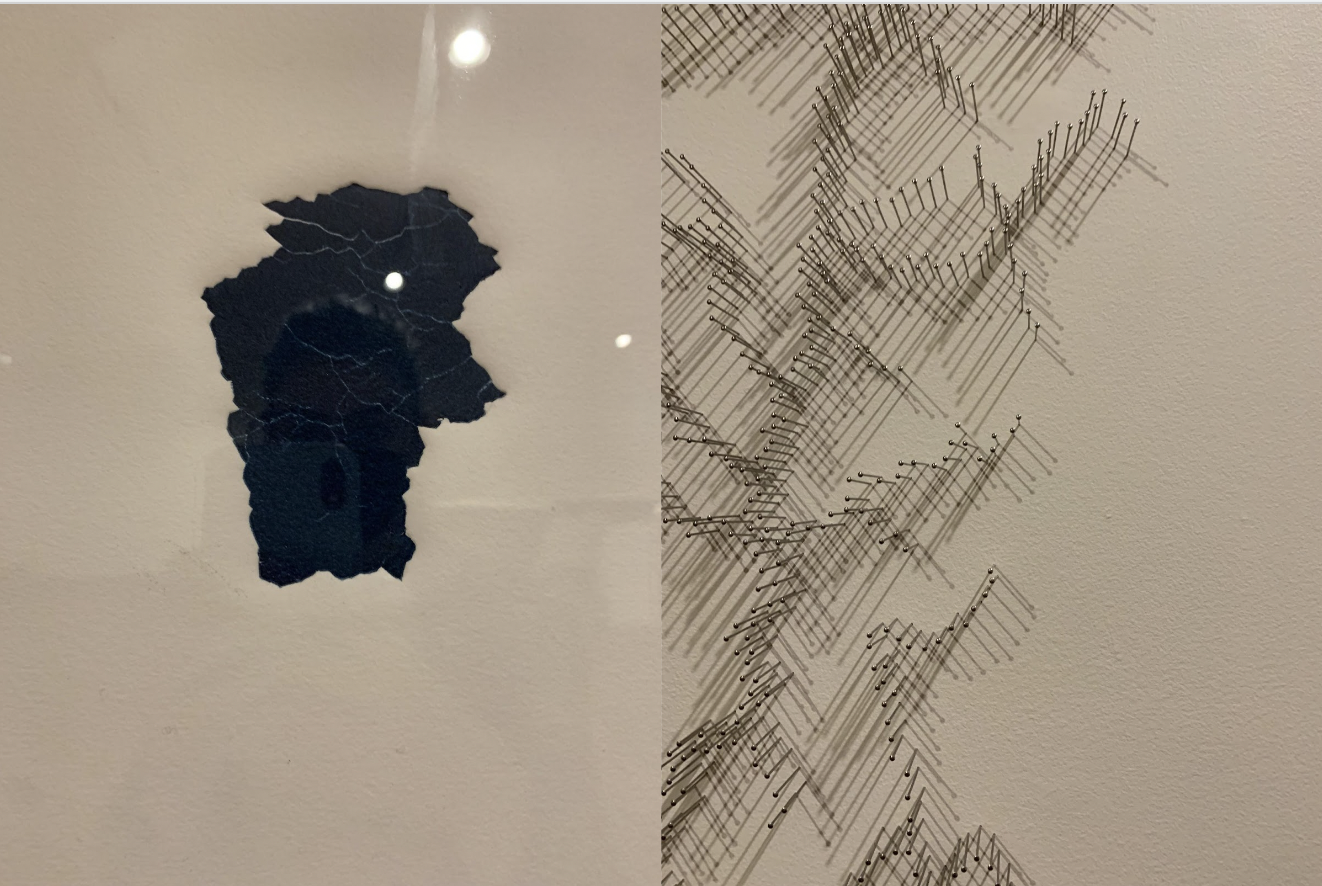
Although I loved all of Lin’s pieces, I was especially taken by the piece Pin River—Sandy, which depicts the floodplain of Hurricane Sandy, and I wondered how I might depict similar water movements in a way accessible to young children. 

The Process

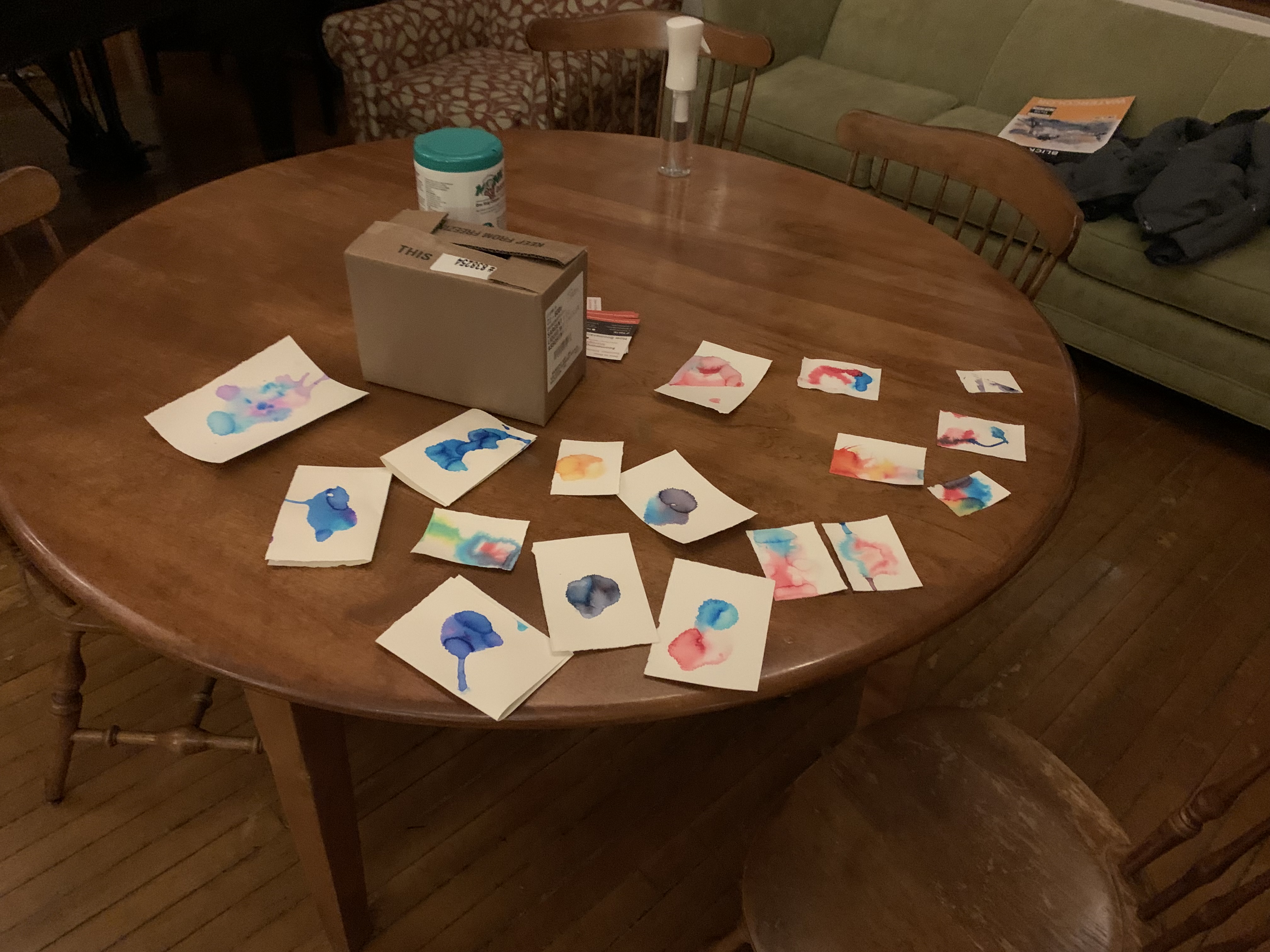
I experimented with various, child-friendly ways of recreating and preserving water tracks and discovered that liquid watercolor, slightly diluted, was the most reliable medium. 

With friends, I poured watercolors down pieces of paper, slanted to mimic hills; blew paint through straws as though we were the wind; and dropped paint onto wet paper to watch how the pigment spread. This process gave me more than stained hands, it gave me firsthand insight into the resiliency that inquiry requires.

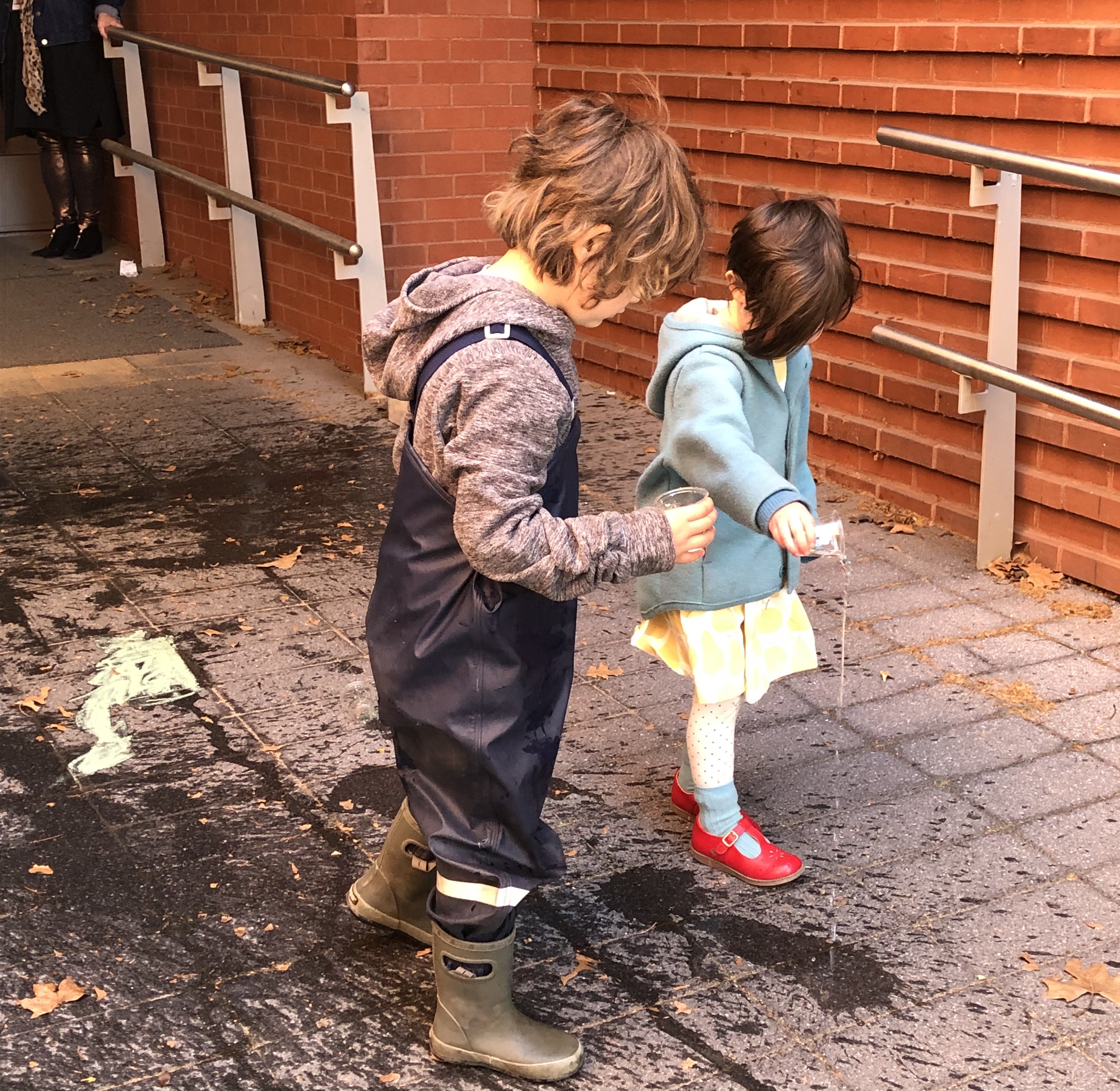
No matter how prepared I felt, I knew that my plan would hold little relevance when put into action with children: from hiding the ducks around the lawn for a massive scavenger hunt to dumping cups of water down the ramp, they had their own needs and curiosities that had to be incorporated into my plan in order to fully connect with the content.

It was swept along in this journey of true enthusiasm and pure wonder that although different from what I imagined, Mission: Water inquiry became a resounding success. 

Key Takeaways and Questions

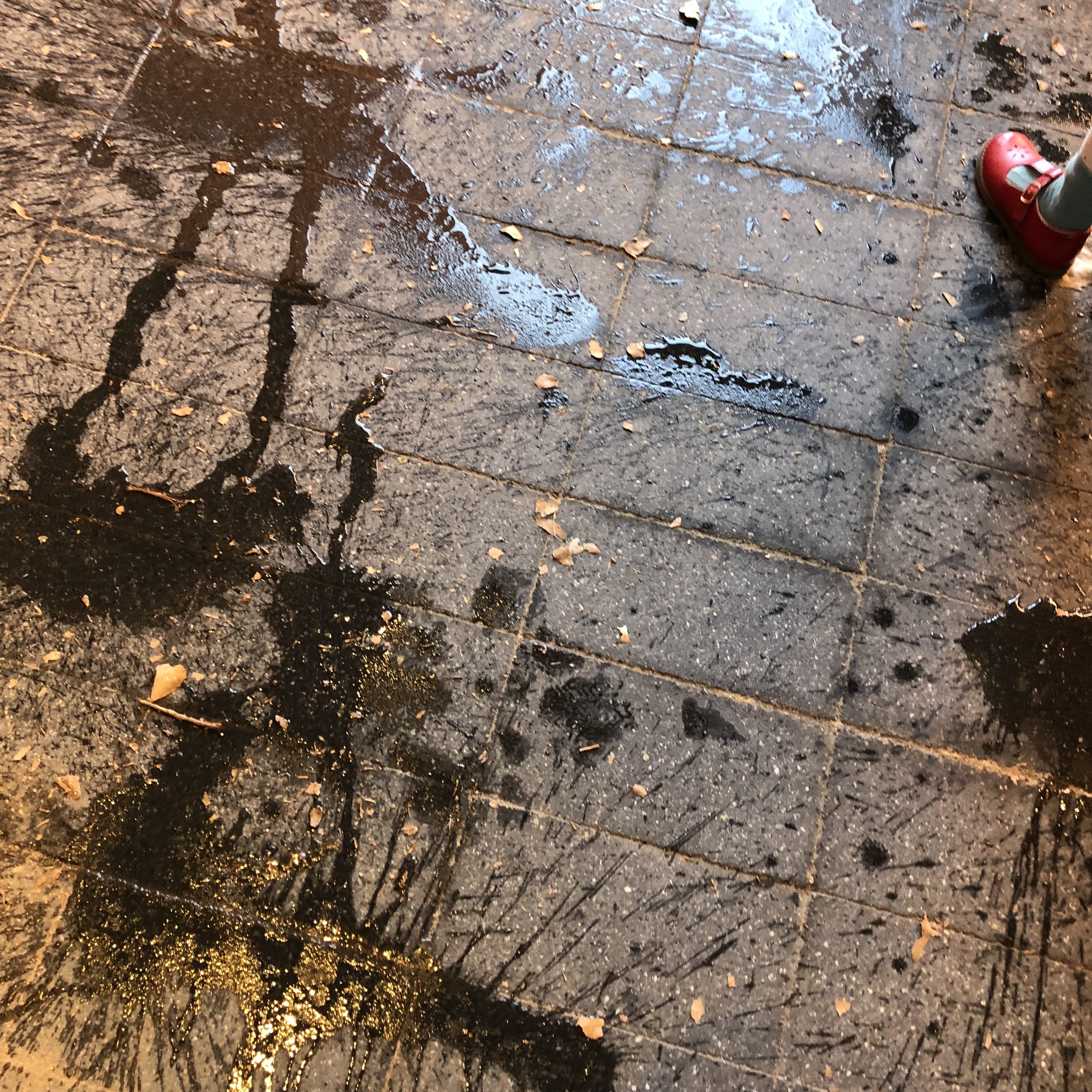
Overall, I was both pleasantly surprised by the different ways the young children viewed the water and how they characterized the shapes it made. While I might have just seen abstract shapes in the small rivers, the children saw it differently. “That looks like pants,” said one child. “It looks like trees,” said another, and then they were off, imaginations racing as the water on the ground contorted itself into fantastical images. 

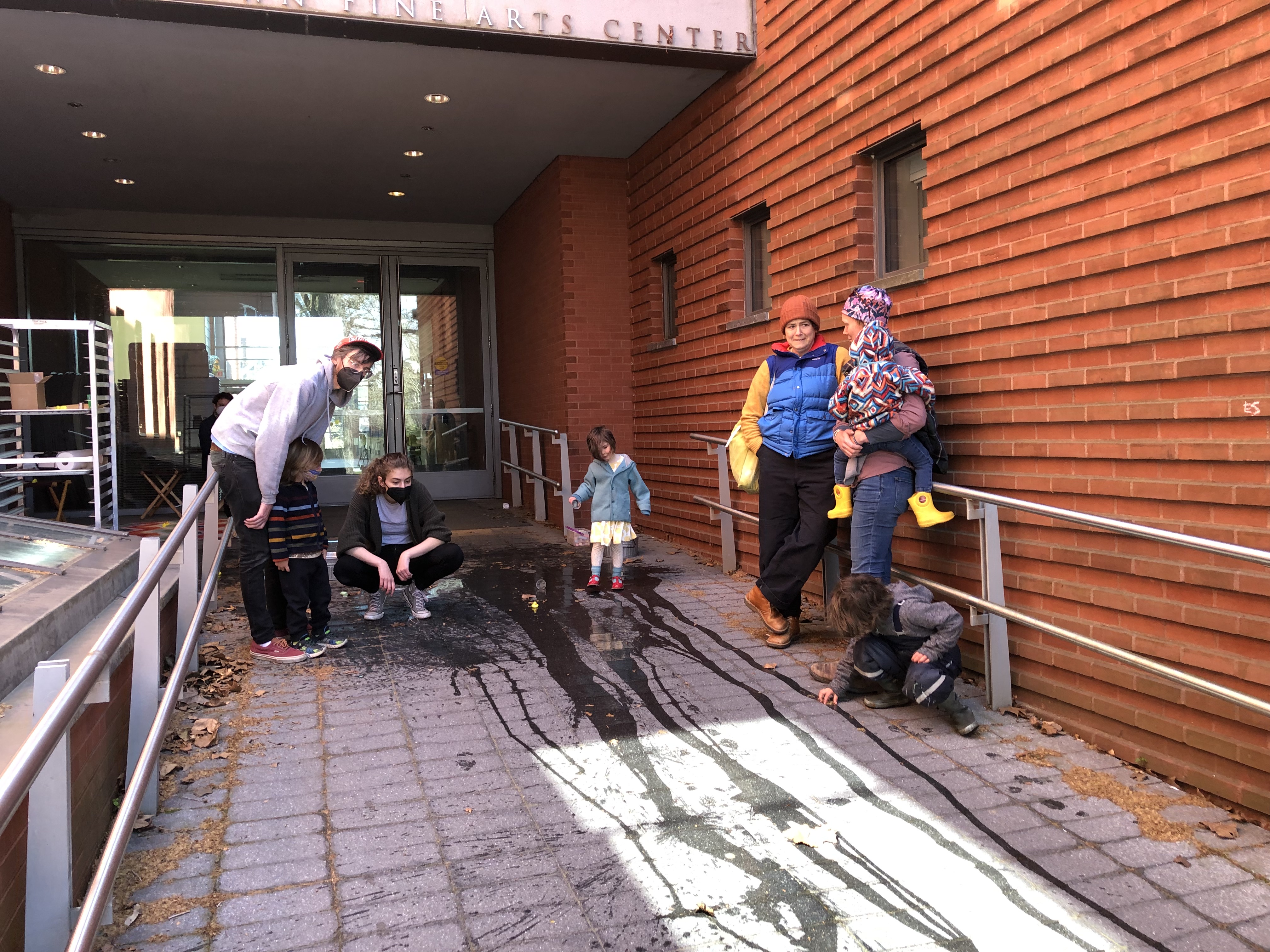
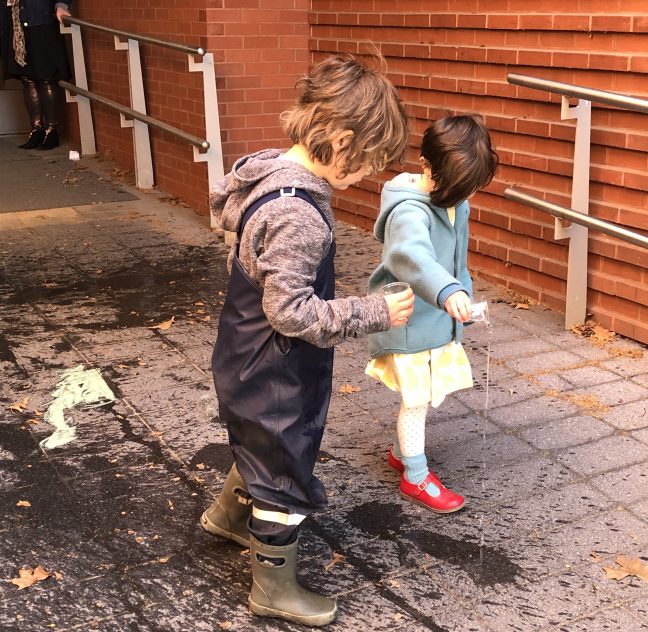
Although I initially cringed at the wet mess we were making, the children seized upon the opportunities in front of them, using the spilled water to make footprint tracks down the ramp. In doing so, they expanded their understanding of the many roles that water can play, as well as my own: water was now a conduit, a medium to replicate other shapes.There is so much to be learned in play, as the greatest learning occurs in the unscripted, unplanned moments, where the children beat you to the question and run off with their own ideas, and I am grateful to the children who participated in Mission: Water Inquiry for guiding me on this journey.

Acknowledgements

This project would not have been possible without Carol Berner, my wise and patient mentor; the unflappable Gina Hall, Educator for School & Family Programs at the Smith College Museum of Art; the Smith College Museum Educators, the community members who participated, and the entire staff at the Smith College Museum of Art who opened up their doors to young children (and tolerated ducks being hidden throughout the Maya Lin exhibit)

About the Author

Tamarin Camp is a STRIDE Scholar at Smith College, where she studies early childhood education and political science. A native of the Pacific Northwest, she thoroughly enjoys water in all forms.
The Shape of Winter: An Outdoor Puzzle

shape of winter worksheet


shape of winter worksheet
The Shape of Winter: An Outdoor Puzzle (PDF). Click here to download or print.

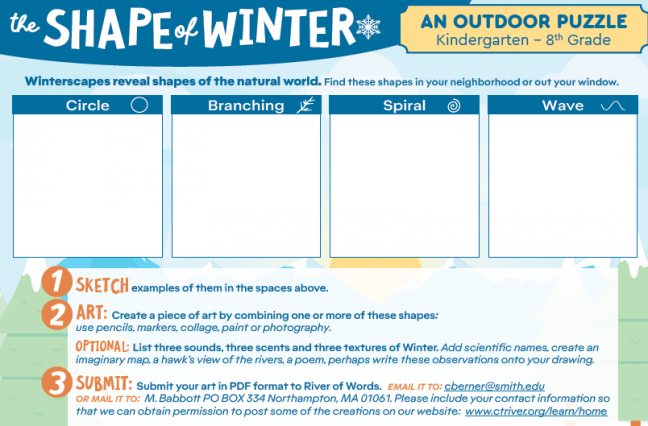
Recognizing the stress that the pandemic continues to have on children, their families and educators, we hope this fresh end-of-winter “outdoor puzzle” will inspire your senses and imagination. What shapes of winter can you find outdoors, or through your window?

Observe and record your findings, then create a piece of art combining shapes, sounds, scents and textures of winter. We look forward to seeing your Winterscapes! 

Planning for Spring? Try Water Inquiry Stories in Remote or Hybrid Classrooms 

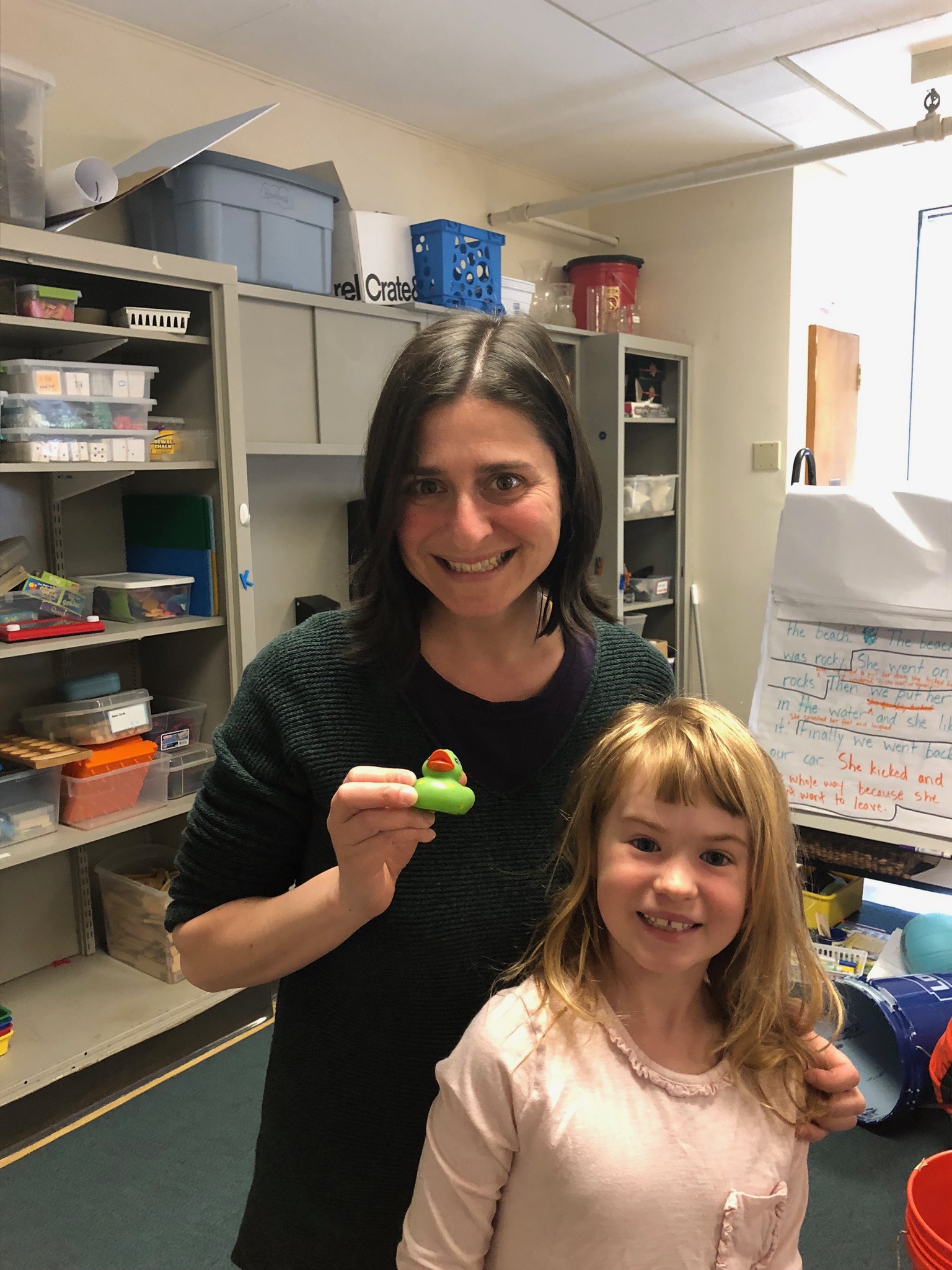
teacher with duck
How would you save those ducklings?

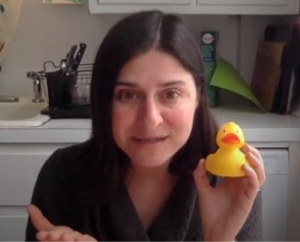
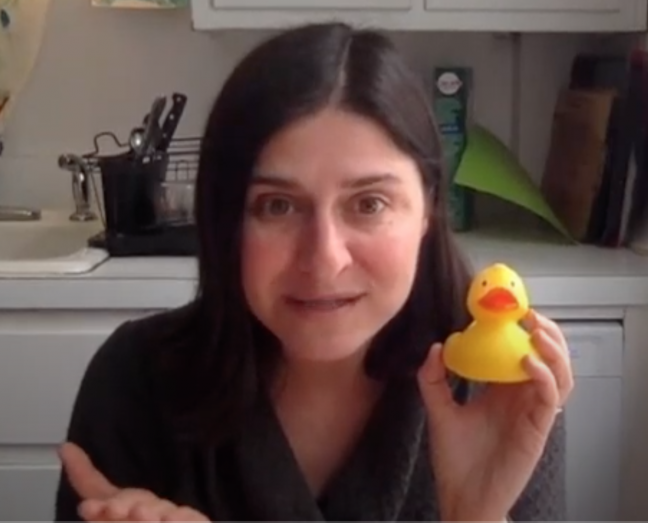
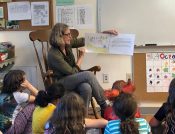
Water Inquiry’s interactive stories work well to engage students in remote or hybrid learning environments. Illustrated story books come to life in virtual read-alouds. Interactive prompts launch water investigations in backyards and kitchen sinks. Students share ideas and questions by uploading videos, sketches and audio to SeeSaw. Read the blog post Remote Water Inquiry to follow the adventures of Eva Jaffe and her first graders “immersed” in Inquiry, Inc. and the Case of the Missing Ducklings. Our team is happy to consult with educators who are curious to try remote or hybrid investigations, email cberner@smith.edu. 


Window crystals
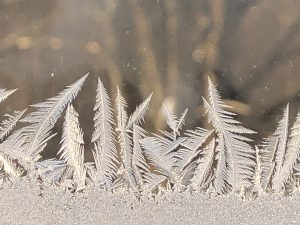
Branching window crystals (Carol Berner)

In winter

          all the singing is in

                    the tops of the trees


from White-Eyes, by Mary Oliver


Written by Carol Berner in collaboration with Margaret Babbott, Co-Coordinators of River of Words along the Connecticut River

Remote Water Inquiry

teacher with duck

“This is really going to work online”

teacher with duck
“How would you save those ducklings?” Eva

“I wanted to share with you how I decided to launch the water inquiry this year, under these strange circumstances.” During the pandemic pivot, Eva Jaffe and her first grade students at Campus School piloted a remote version of Inquiry Inc and the Case of the Missing  Ducklings. Thank you Group J for sharing your innovative solutions to storm drain engineering and virtual inquiry!

What does Water Inquiry look like online? 

two children with model
Testing a storm drain model

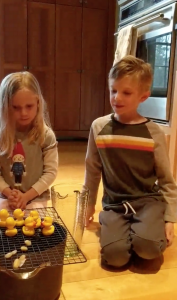
Eva posted videos of herself reading aloud the illustrated story of the Missing Ducklings in four weekly sessions (see links below). With the help of her sidekick, a yellow rubber duck, Eva introduced inquiry challenges, synthesized student ideas, and showed breaking news of a duckling rescue. Students used Seesaw to post drawings, diagrams, audio clips, and videos. They shared adventures experimenting in kitchen sinks, building backyard storm drains, and documenting downpours. Cameo appearances included barking dogs, disappearing cats, encouraging parents, and sibling assistants: “My sister’s going to see if the ducklings can fit through. Now I think that is a NO. Ducklings cannot fit through.”


Creative and resourceful

Eva responds to a student post: “That is such a cool idea!”

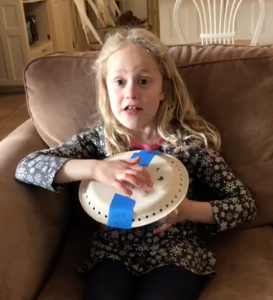
Eva reflected on the remote version of Water Inquiry, “I saw so much more creativity and individual thinking….Kids had to use whatever they had at home and form their own interpretation of what they had to do.” Students improvised storm drain models with a wide range of materials including styrofoam with holes poked in it, cookie cooling racks, screens, pencils taped together, and chicken wire. After testing three materials, one student announced the results: “The one that won is the chicken wire because it’s bigger, and bigger is faster, and faster is better, because it won’t overfill the streets…  the ducks can’t go through the chicken wire!”

Individual Thinking

diagram
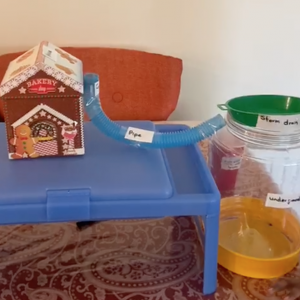
Storm drain design with labels

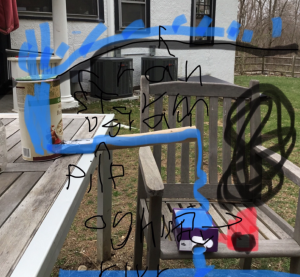
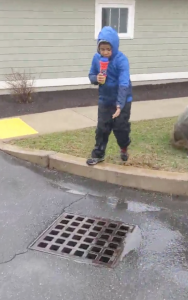
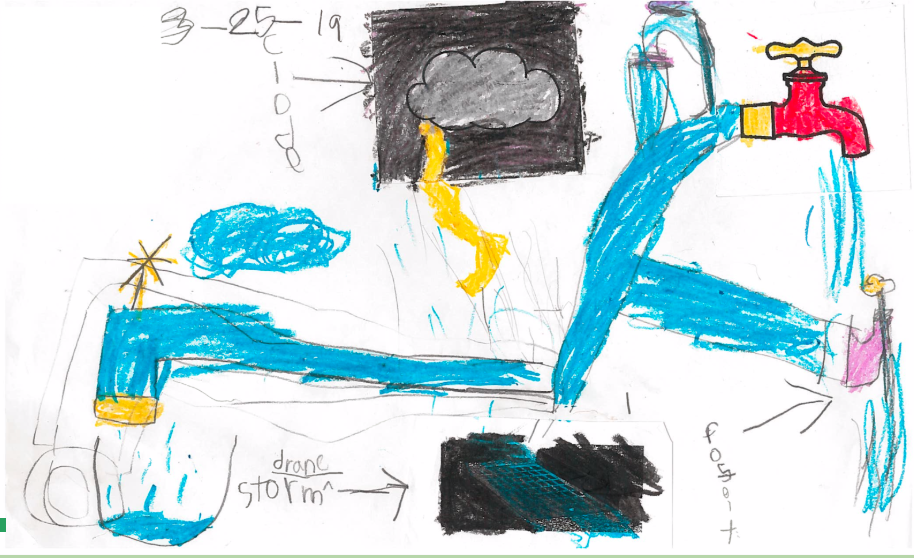
Remote water inquiry highlighted the depth and divergence of individual thinking. Eva observed that, “kids who might have been more shy in a group were really able to make their thinking clear.” Students constructed working models and narrated lively explanations: “This is my storm drain and I’m going to tell you a little about it.”  They investigated where water comes from and where water goes through stories, sketches, and videos of rain going: “down, down, down… all the way to this storm drain.”

boy with storm drain
Following rain: “down, down, down.”
model
Storm drain model. “This is the house…”


Water Inquiry team learned with and from first graders

emily photo
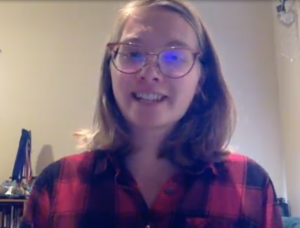
Emily Buxengaard introduces herself to Group J

Water Inquiry researcher Emily Buxengaard (’22) collaborated with Group J to support their inquiry. She introduced herself in a video: “I’m Emily from the Water Inquiry team and I’m really excited to look at some of your responses to the story of the Missing Ducklings.” A student promptly responded: “Sounds terrific. Nice to meet you.”  Emily enjoyed connecting with first graders and encouraged their idea development. “I responded to many posts by pointing out something I liked about their thinking and asking a question I thought would further understanding.”  Looking ahead to future iterations of remote Water Inquiry, Emily posed the question:  “Are there ways to better engage students who aren’t interacting as much?”

How to build collaborative inquiry in a remote learning environment?

Water Inquiry Logo by Camille Butterfield ’21

A lingering question from the Group J pilot is how to improve collaborative inquiry online.  Remote learning worked well to deepen and showcase individual thinking, but group collaboration was more challenging. Eva spoke about missing the classroom’s “saturation in Water Inquiry all day every day… Without daily conversations, charting thinking, and seeing work on the walls, it was difficult to figure out a way for all the kids to have access to everybody’s thinking and learning as a group.”  Thank you to Group J for including us in your remote inquiry. We’re inspired by your intrepid problem-solving, just like the story characters: “Got a problem that won’t go away? Inquiry, Inc. will save the day!”


Curious to explore remote Water Inquiry?

drawing
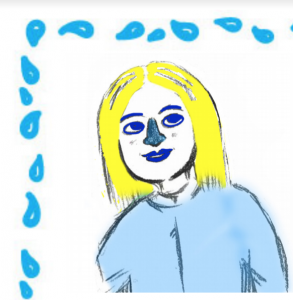
Stella Bowles, Scientist and Activist, Nova Scotia, Canada. Drawing by Abby Moon (MAT’20).

Check out the Water Inquiry website for illustrated storybooks, educator resources, and student work samples.

Stay tuned for “Making Waves,”  Water Inquiry’s project-in-the-works for  middle school students featuring true stories of youth water activists from around the world.

Water Inquiry welcomes questions, comments, or suggestions. Please contact Carol: cberner@smith.edu


Written by Carol Berner
on behalf of the Water Inquiry team


Links to Eva Jaffe’s YouTube videos of Inquiry, Inc and the Case of the Missing Ducklings:


Piloting “Inquiry, Inc and the Case of the Flooded Fields”

“It’s science! It’s inquiry! It’s imagination!” Nan Childs, pilot teacher

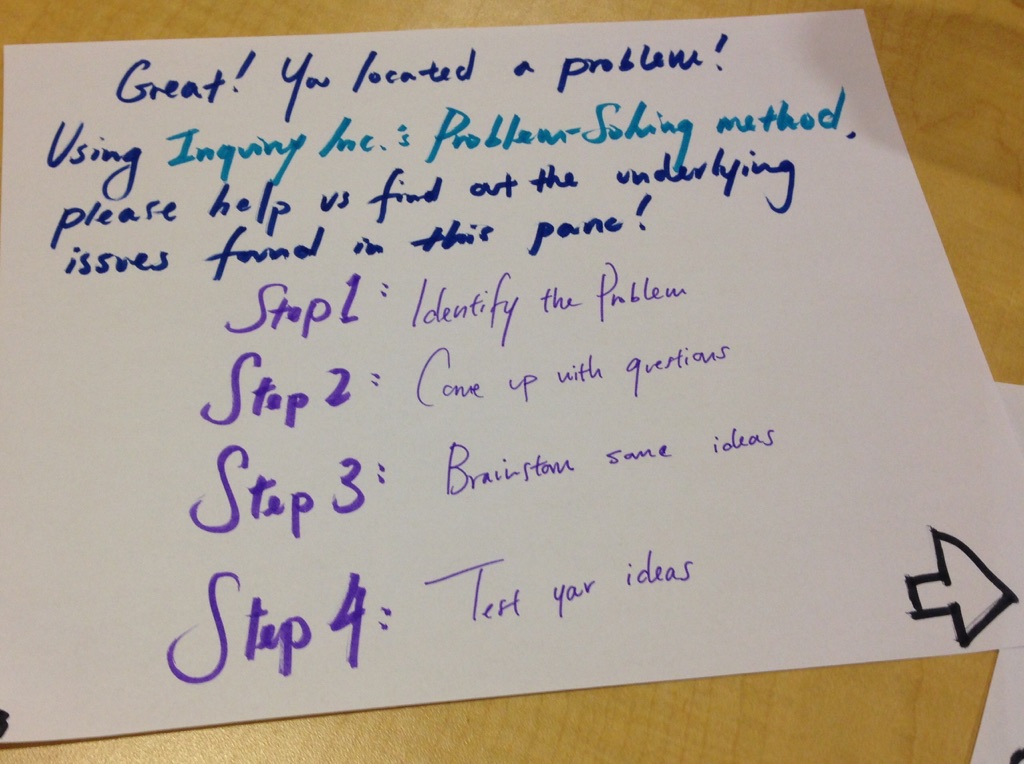
This October, Nan Childs’ second and third grade class at Hilltown Cooperative Charter Public School became the first to pilot a new curriculum designed by the Water Inquiry project. The class, called the Greens, followed Inquiry Inc.’s new adventure in The Case of the Flooded Fields. In the story, soccer player Lee finds their practice field completely flooded right before a big championship game. An open-ended conclusion allows for inquiry-based discussions in which students think and ask questions, brainstorm solutions, and present what they would do to help solve the problem.  Continue reading Piloting “Inquiry, Inc and the Case of the Flooded Fields”

April showers bring… May storm drains?!

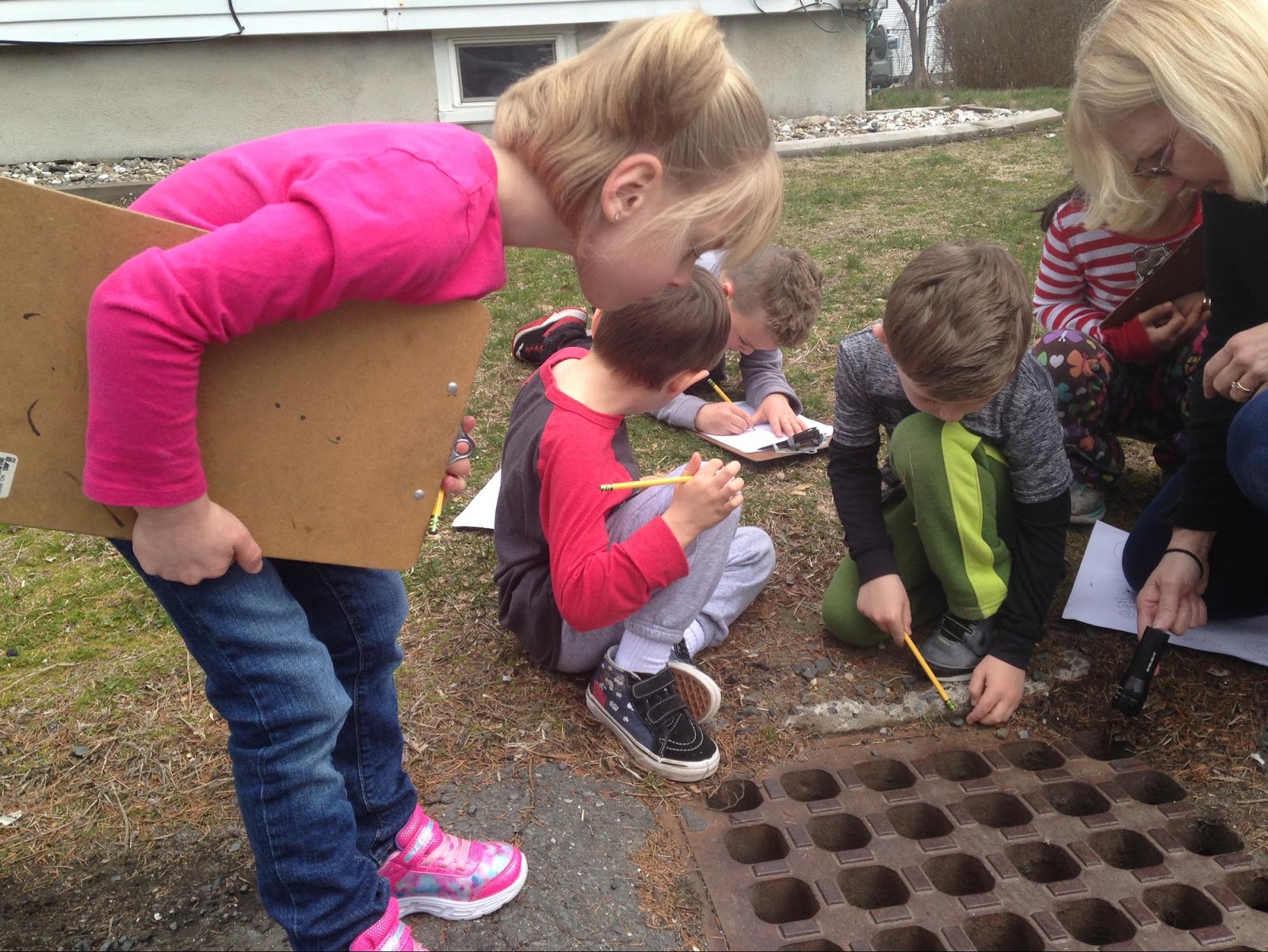
Wonder why first graders were peering intently down storm drains in an April downpour? They were figuring out how to rescue ducklings, prompted by the problem-solving story Inquiry, Inc. and the Case of the Missing Ducklings. This spring, Campus School first grade teachers Eva Jaffe and Emma Pascarella piloted the first in a series of interactive science inquiry stories created by Smith student researchers from the Water Inquiry Story Project. Eva Jaffe reflected about the storytelling pedagogy: “It gave their problem-solving work a purpose. Why bother thinking about storm drains? Because we could come up with a way for Inquiry Inc. to save some lost ducklings!” Continue reading April showers bring… May storm drains?!

November 2018: Original Stories, New Members

We’re halfway through another semester here at Smith College, and the Water Inquiry team has been busy. Not only did we gain several new members, but we met several times during the month to discuss developments on projects new and old.

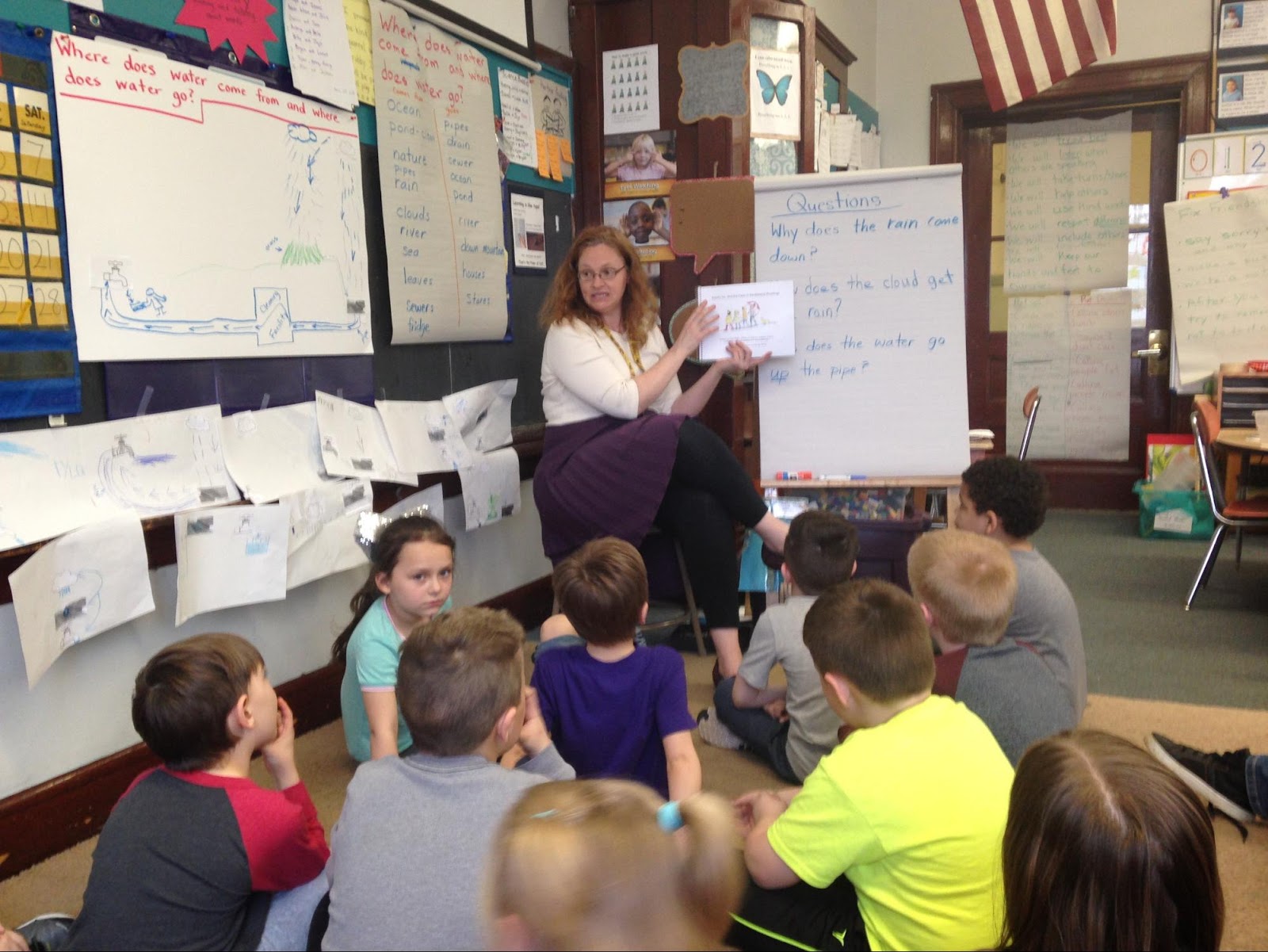
Water Inquiry’s own Ruth Neils taught our first story, Inquiry, Inc. and The Case of the Missing Ducklings, to third grade students at the Campus School of Smith College. We are happy to report that it was a success; the students were very engaged, and the story helped them think critically about storm drains! We’re examining ways to adapt the story for an older audience, including providing more prompts for scientific and reflective writing.  Continue reading November 2018: Original Stories, New Members

The Flow of “Big Ideas”: Third Grade River Inquiry at the Smith College Campus School

“Always be on the lookout for the presence of wonder.”
–E.B. White

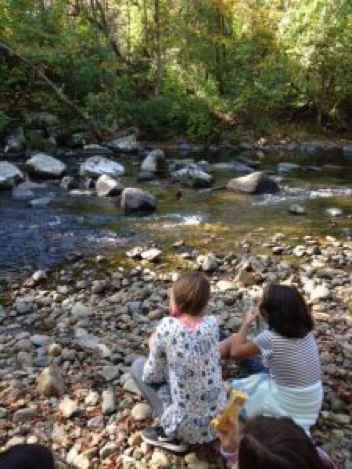
“That explains it!” one student exclaimed while looking under rocks on the banks of the Mill River.  It was a sunny afternoon in Northampton, Massachusetts, and Jan Szymaszek’s third grade class was rapt.  Autumn leaves drifted from branches, landing atop craggy boulders, or else becoming subsumed in the downward rush of water.  Cameras in hand, students hopped their way through gravel and sand to capture moments that might generate questions or theories about rivers: how they move; where they lead; how they change.  The launch of this year-long science unit invited students to explore their natural environment, making observations that they could then carry into classroom discussions. Continue reading The Flow of “Big Ideas”: Third Grade River Inquiry at the Smith College Campus School

A Duckling Story Computer Game? Read on!

It was a Saturday morning in January, -14 degrees, but students at the Williston Northampton School were bundled and ready to learn.  In a basement classroom in Easthampton, Massachusetts, Water Inquiry researchers Brittany Collins and Lily Sun projected images of Inquiry Inc. onto the SmartBoard in Kim Evelti’s Intro to Programming class and introduced students to characters.

In the coming months, high schoolers will work with Water Inquiry to create a computer game that complements our inaugural water story, Inquiry Inc. and the Case of the Missing Ducklings. “Students seem very excited about collaborating with the Smith community,” Lily said after presenting to the class. “Although this is a beginning programming class, I could tell that they want to work hard to execute this vision. Continue reading A Duckling Story Computer Game? Read on!