Die AuswanderernHallen der Hamburg-America Linie in Hamburg
Transitions: From the Old Order to the New 1890-1930
GER 297 | Fall 2018

Picture 1: Quarters in Paris.
The German force advances victorious in all
And on the far horizon, the towers of Paris call.
But the French have forts that ring the city; they’re there at every pass
Their fire slows our way ahead, but we take them all at last.
In Paris we find a place to stay, as nice as can be found,
And rest, and play, write letters home that tell of our renown.
Picture 2: Paris.
And when the forts were taken, we stood upon their heights
We saw with awe the magnificence of Paris big and bright.
There it lies with all its towers, that proud and glorious name,
We looked for hours upon it and will never be the same.
Hans hears his heart beat stronger, he senses the goal is near.
He waves his helmet above him and lets out a joyous cheer.
Picture 3: Good Camaraderie.
But on the way to Paris there’s fighting all the way
And many a young man with his life does pay.
Even Hans is sorely wounded and sinks then to the ground
But a rider pulls him from the field and makes him safe and sound.
When the wound is partly healed, Hans will wait no more.
He takes his gun and hurries back to fight in this glorious war.
Picture 4: Christmastime Before Paris
The fighting never seems to end, as Christmastime is near.
But then a pause and quiet reigns, which now we hold quite dear.
In enemy land Hans will celebrate the Yuletide
With a little tree and all his comrades at his side.
When he looks at the twinkling lights, he feels a bit of sorrow
And thinks of home where he wishes he were tomorrow.
Picture 5: Fighting the Partisans.
But the war continues its bloody and goes on far and wide
And worst of all, new enemies appear on every side.
Even the farmers in some locales take part in the fight
They shoot at us most cowardly while hiding out of sight.
And sometimes Hans is the target of their play,
But he fears them not and always can chase them away.
Picture 6: Bloody Payback.
Hans was once attacked by such a band and to them a lesson he did teach.
He fought bravely and beat every one of them within his reach.
Despite their numbers he chased them away
And takes their leader captive, taking him to the general.
He’s then taken to the camp where justice is met
And the cowardly murderer meets his end.
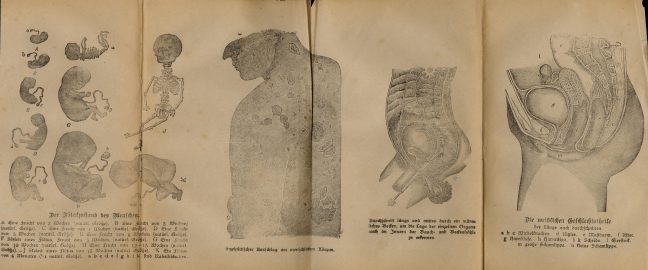
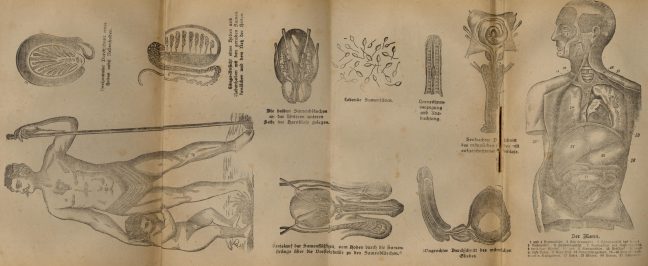
Pictured here, from left to right: “The Development of a Human Fetus”; “Symptoms of Syphilis on the Skin”; “The Male Sex Organs”; “The Female Sex Organs”.
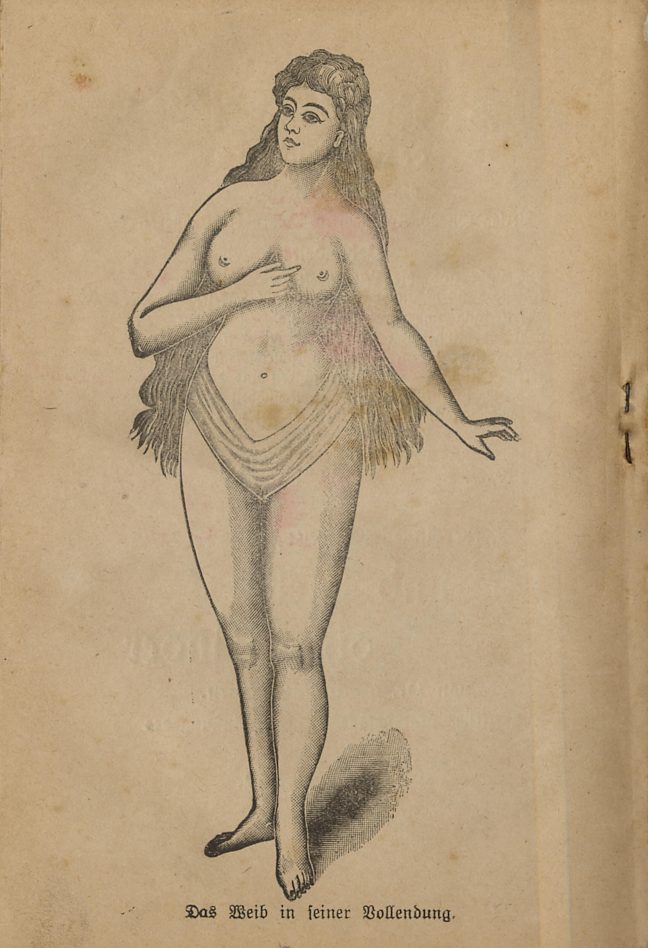
The final page of the “Book About Marriage” has this picture with the caption “The Female in All Her Perfection”. Notice that the figure has very long hair and that the groin area is modestly concealed.

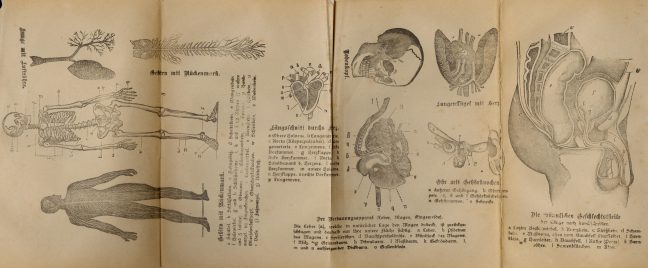
From the left, the pictures show: “The child immediately before birth”; “The Circulatory System of the Placenta and Fetus”; “Showing Pregnancy at Various Stages (2-3 months; 3-4 months; 7-8 months and 9 months)”.
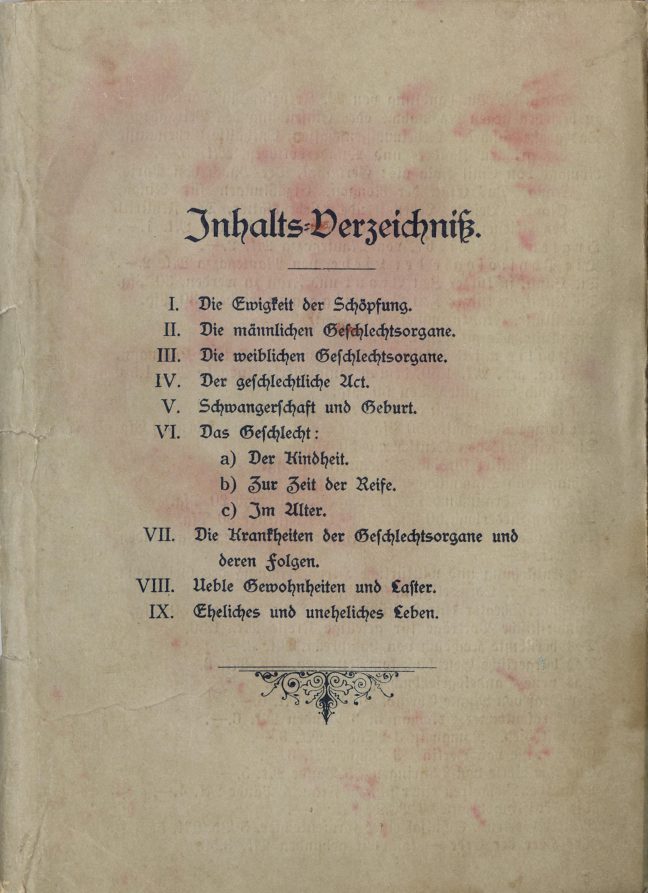
Pictured here is the Table of Contents of the “Book About Marriage”:
The Eternity of Creation
Male Sex Organs
Female Sex Organs
The Sex Act
Pregnancy and Birth
Sexuality
a) During Childhood
b) During Puberty
c) During Adulthood
VII. Sexually Transmitted Diseases and Their Effects
VIII. Bad Habits and Vices
IX. Married Life and the Single Life
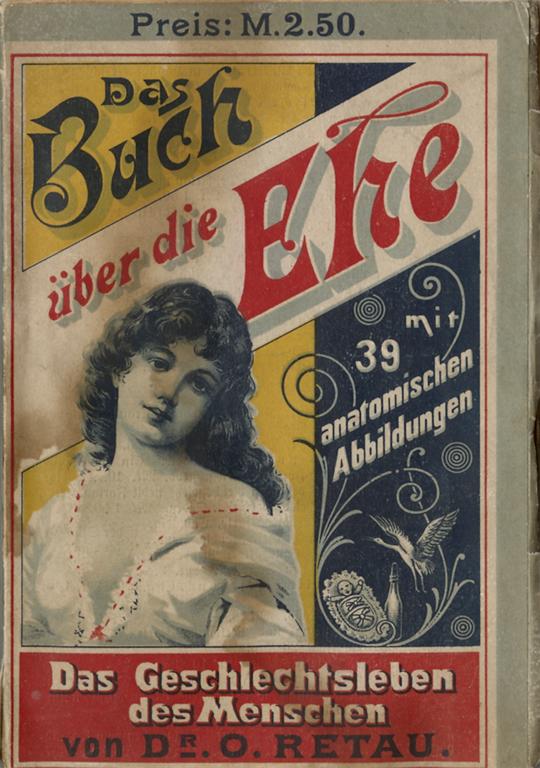
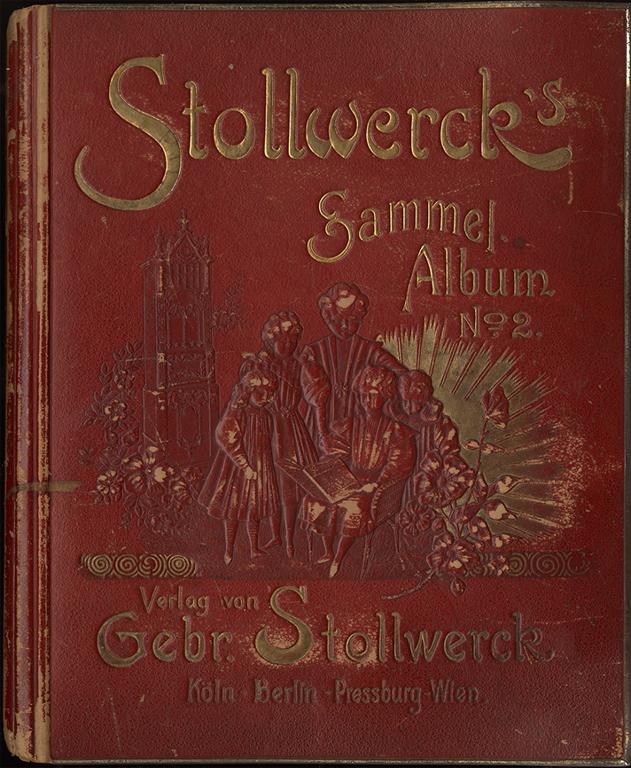
Seen here is the cover of a work titled “The Book About Marriage. The Sexual Life of the Human Being. With 39 Anatomical Drawings” by Dr. O. Retau, published in 1900.
The moral code of Wilhemine society — the German parallel to England’s Victorian society — viewed sex as something that should only occur within marriage. This book was designed to give the latest scientific and medical information on how sexual intercourse, conception, pregnancy and birth work. But it also contained much more (see the Table of Contents).