Collaboration and Character Development: Fall 2016 Water Inquiry

As temperatures and leaves begin to change in Western Massachusetts, members of the Water Inquiry project are commencing their time at Smith with awakened fervor. Summer months did not stymie our productivity; in fact, group members collaborated online to work on character development and illustrations for our forthcoming narrative– a compelling account of a duckling rescue that is rife with opportunities for reader engagement and problem solving.
bio-6
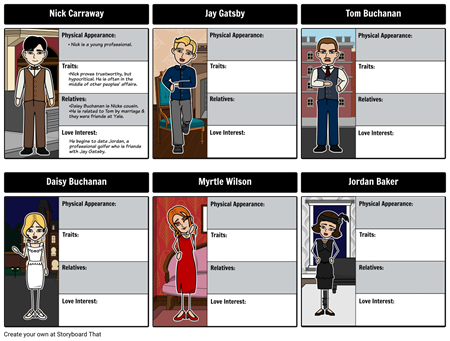
Group members used storyboards like the one pictured above to consider character development. Photo courtesy of storyboardthat.com

 Just as rivers flow disparately into the ocean, so, too, do we find ourselves in the midst of a greater community this year– a storytelling “ocean” in which the Water Inquiry team is a subset of the overarching Teaching as Storytelling project chaired by professors Carol Berner and Al Rudnitsky. Together, we are joining similar focus groups to share writing, editing, and knowledge building techniques that strengthen our individual stories and allow us to interrogate “story form” thinking.

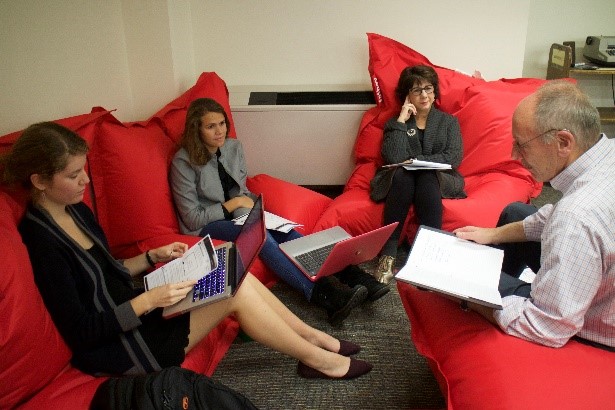
Our inaugural meeting occurred in Neilson Library’s new Knowledge Lab– a space that simultaneously provides structure and freedom in the pursuit of collaboration. Brightly colored beanbag chairs and large projector screens are just some of the tools that comprise this intellectual “clubhouse,” a space in which think-tanks like ours may refine developed projects or nurture nascent ideas. After sharing our work and listening to others’ stories, we were attuned to the subjectivity and commonality of our narrative research, considering that which is unique to Water Inquiry while engaging with intersecting goals and challenges that span all subsets (or all rivers, if we indulge our previous metaphor) of the Teaching as Storytelling research project.
bio-try-number-2 try-number-3
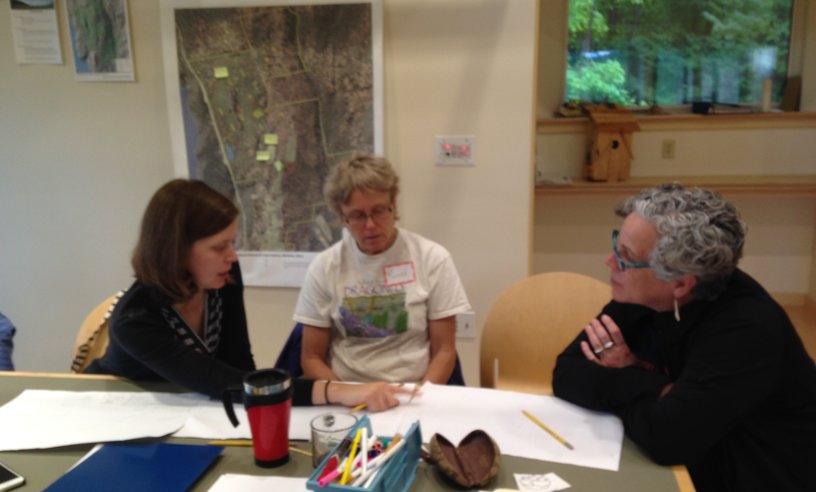
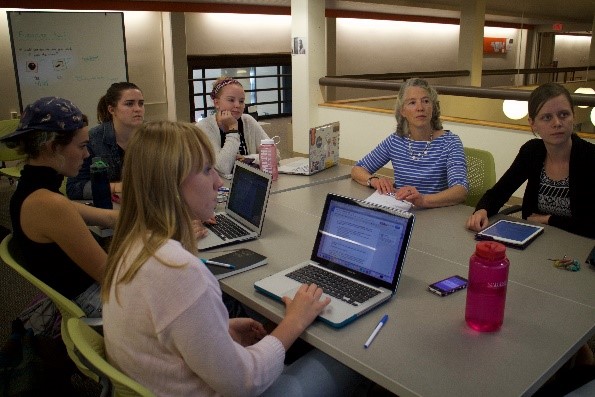
Students work alongside Professors Al Rudnitsky, Susan Ethridge, and Carol Berner in the Knowledge Lab.

To ground our creative work together, we have researched the import and efficacy of story form to greater understand the neurobiological and developmental merits of its interdisciplinary presence in classrooms.  Why, in other words, should we care about stories, and what makes them powerful tools for learning?

In doing so, we have found Kieran Egan’s Teaching as Storytelling and Kendall Haven’s Story Proof particularly useful resources in understanding narratology– a field of study that examines stories’ effects on perception– and the role of binarisms, schema theory, and cognitive development in story reception. Haven (2007) writes, “[stories create] context and relevance…evoke prior knowledge, provide details, [and] improve comprehension.” Did you know that the brain releases oxytocin, a neurochemical responsible for empathy and compassion, when one listens to (or reads) a story? Or that babies are born with a neurological predisposition for understanding the world through narrative formats? Our culture has utilized stories for so long, they have become genetically encoded in our species. Sounds like a powerful educational tool, if we do say so ourselves!
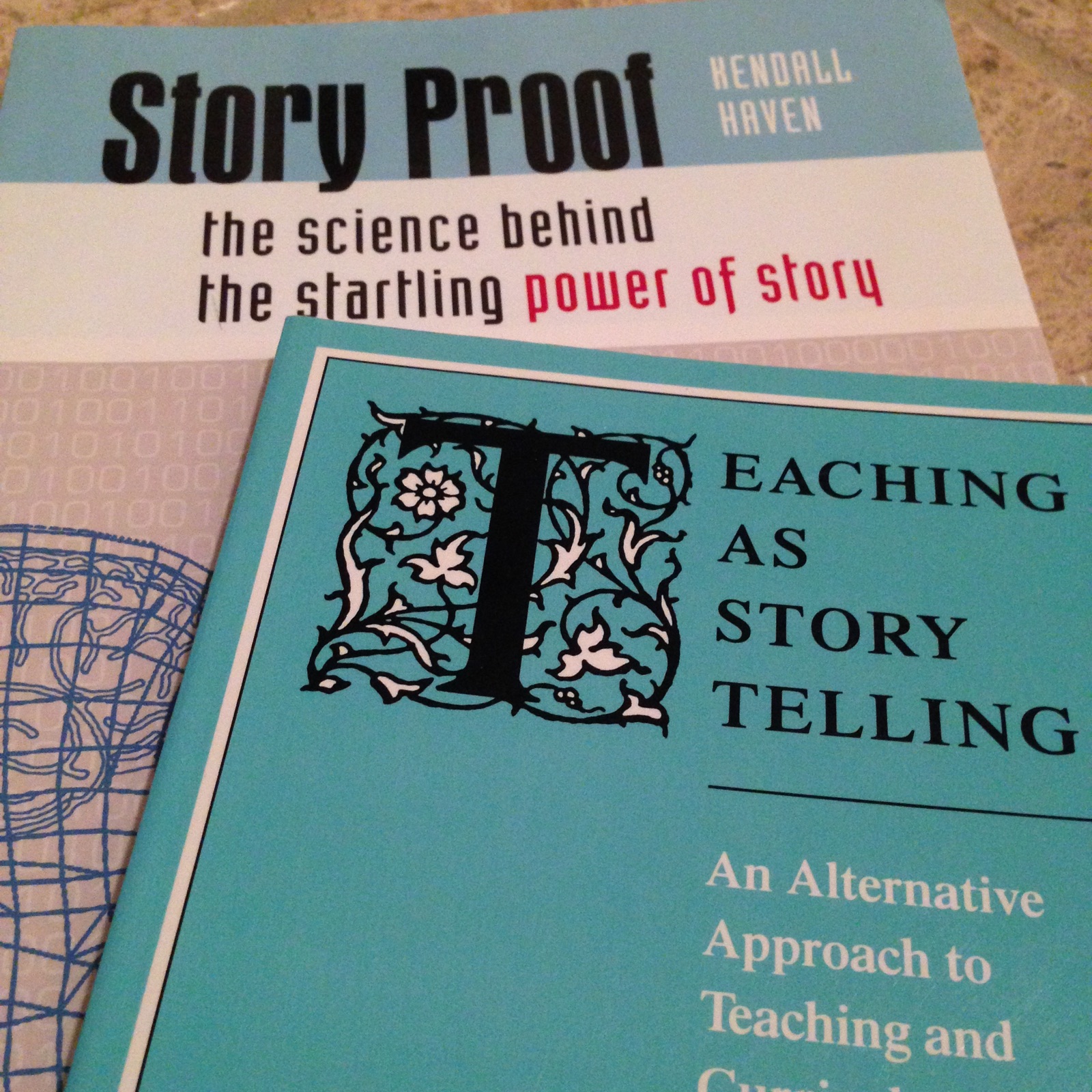
Story Proof and Teaching as Storytelling were helpful resources when researching narrative science.

We approach our work this year with a desire to scaffold scientific thinking and action in our readers; we hope that our stories transcend the page by inviting students to problem-solve, collaborate, and explore the world around them– creating “context and relevance” that excites and ignites. To meet these goals, we are using frequent group meetings to refine our creative methods and challenge our own schemas, rethinking the role of stories in students’ lives so that we may target our readers, not as passive recipients, but as active and engaged scholars who may intertwine their thoughts and ideas with our texts.
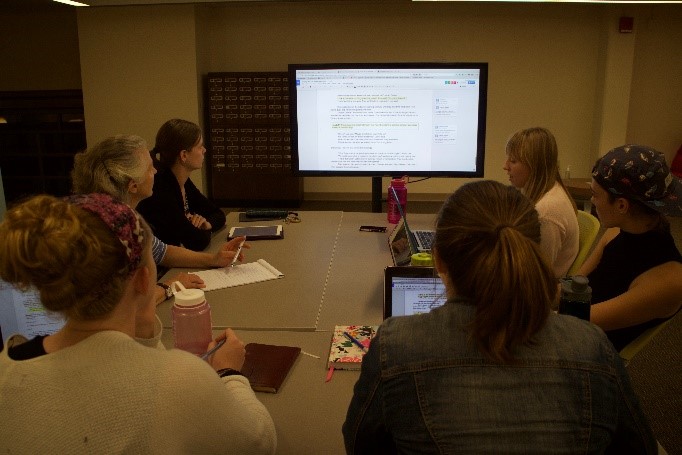
The Water Inquiry team gathers to revise its forthcoming duckling rescue story.

The efficacy of our work is best gauged by young readers, and it is with great excitement that we await the piloting of our duckling rescue story in classrooms. In the coming weeks, first grade students will put our newly strengthened characters to the test, and we look forward to a new method of collaboration– the reciprocal exchange between reader, author, and story.

Joining the Water Inquiry team this year are the following student participants:

bio-7Brittany Collins is an English and Education double major from Westhampton, MA. She attended the Smith College Campus School for three years and loves going to college on the same campus she explored as a child. In addition to her Water Inquiry work, she is the Editor in Chief of Voices & Visions, a literary journal sponsored by the Kahn Institute, and she will soon join the Jacobson Center tutoring staff. Outside of the classroom, Brittany enjoys dancing, powerlifting, and hiking; she completed her first 39.3 mile Avon walk after freshman year and has a special affinity for the trails of Northampton since her training process. Distance walking reawakened her love of nature—a love that she hopes to channel into Water Inquiry stories, inspiring young readers to explore books and backyards alike.
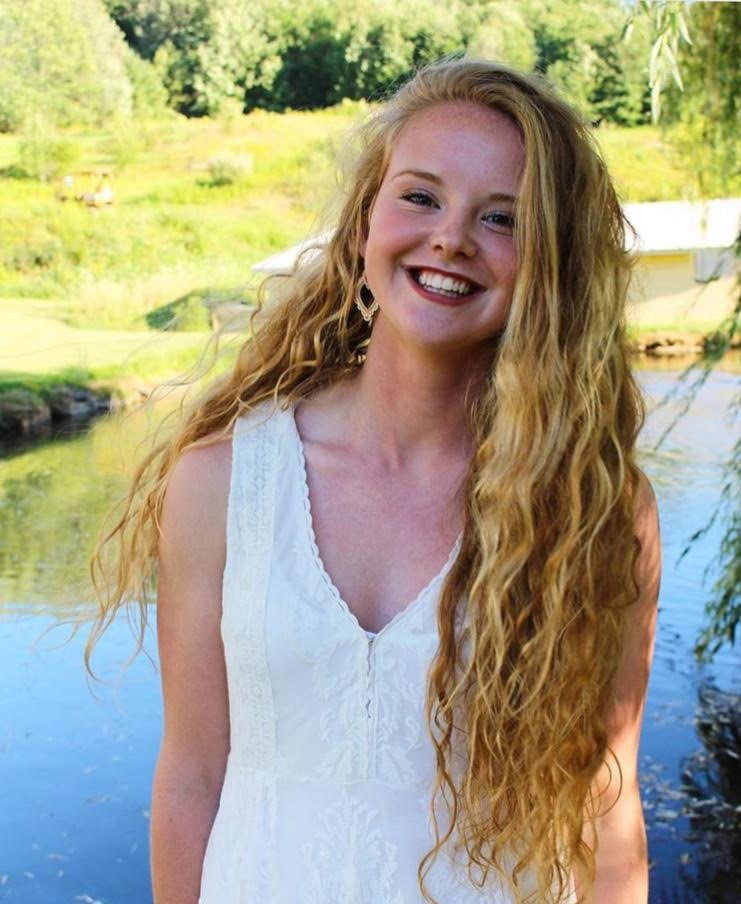
bio-1Anna Wysocki is a first year of Smith College who is from a small town called Hoosick Falls in upstate New York. She is undecided right now, but is considering to major in Neuroscience. She is excited to add her own interesting perspective to the water stories. Just this past year, Anna and the rest of the citizens living in her town discovered that their local water supply had been poisoned by a pollutant known as PFOA, which can have serious side effects overtime by accumulating in the blood and causing serious illnesses and cancers. Everyone had to stop drinking, cooking, and even bathing for long periods of time with the water. Anna represented the student body at a local press conference to bring about social change and ease the hysteria. She is excited to use this insight in the stories, and looks forward to what can stem from them!
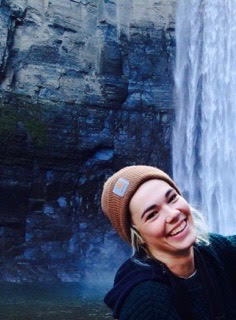
bio4Sarah White is a first year student at Smith College, and is excited to be working on the Water Inquiry Project. She is planning on majoring in studio art or the Study of Women and Gender. She is from Burlington, Vermont and spent most of her childhood exploring the forests and water around her home with her sisters. Before arriving at Smith she took a year off to road trip around the United States, camping and farming as she went. She is interested in writing and art, and in her free time can usually be found reading, cooking or outside.

 

bio-2Zoe Dong is a junior Studio Art major at Smith from Akron, Ohio. She’s very excited to be working as the illustrator for this project. You can view some of her work at www.zoedong.weebly.com.


To learn more about the characters who create our characters, please visit our About Us page.

Stay tuned for more exciting news from the Water Inquiry Team!


by Brittany Collins on behalf of the Water Inquiry Team
Reflections on Water Inquiry, July 2015-June 2016


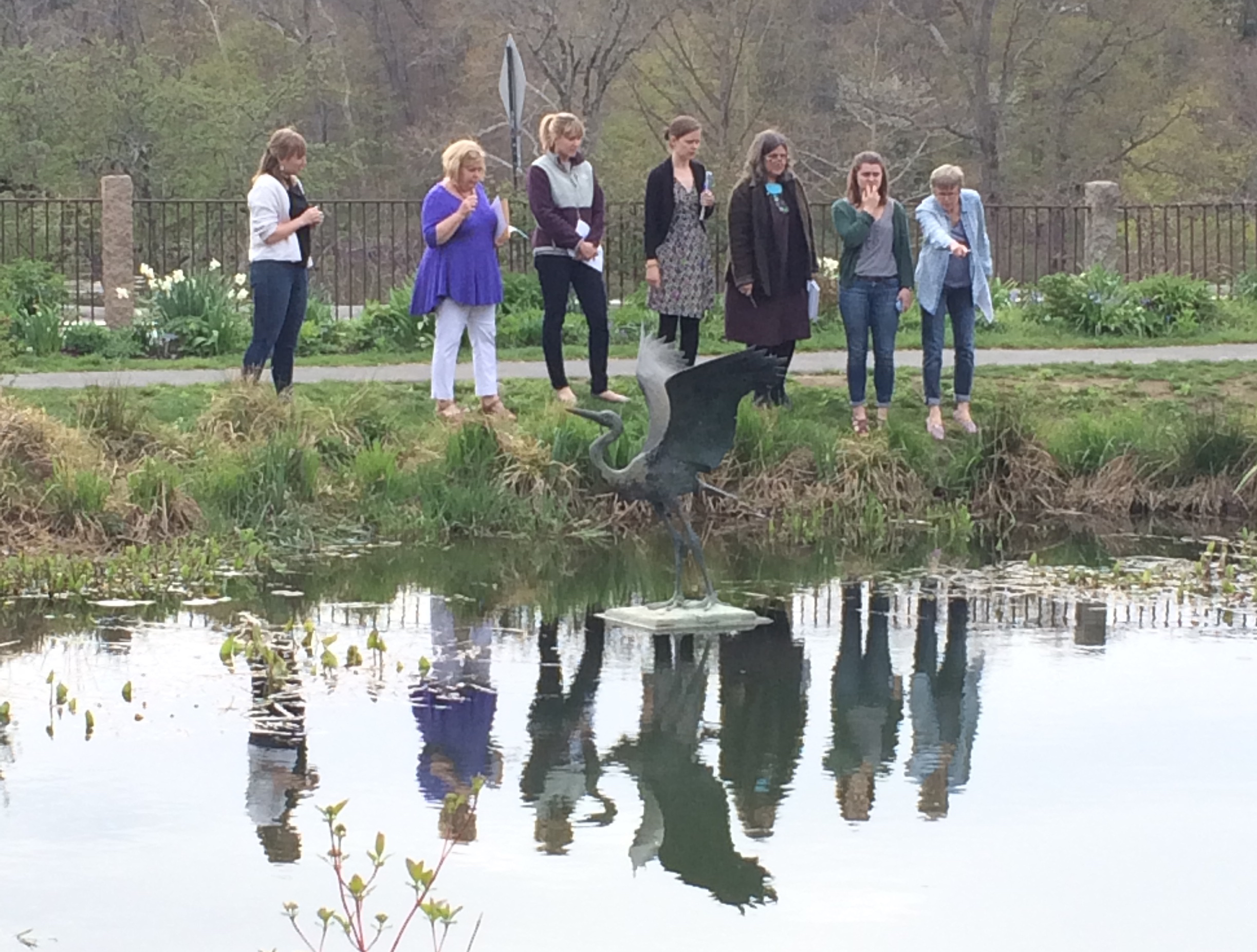
Water Inquiry group observing pond in botanic garden
Water Inquiry group observing pond at Botanic Garden

What can you do with 100 hours?  Ask any of the eleven K-3 teachers who collaborated with Smith students and faculty on the 2015-16 Water Inquiry project, or read on to see what we discovered about inquiry-based learning, water as a topic and outdoor exploration. At our final meeting in May, we asked teachers to reflect on what they learned not only in the hundred hours they invested in group discussion, but also in countless water investigations at Jackson Street, Leeds Elementary and the Campus School. Jan Szymaszek, third grade teacher, summed up what the collaboration offered: “Time and space to come together… to pursue vexing issues of teaching, learning and instructing in a way that supports and sustains rich and rigorous learning in science and overall.”  We want to thank Smith’s Center for the Environment, Ecological Design and Sustainability for providing us with the time, space and tea to sustain our year-long inquiry.

Maria Garcia, K teacher, Jackson Street

What did we learn?

One way to think about what we learned is to check in on three goals we set at the beginning of the year:

  1. Learn in and from outdoor surroundings, especially school yards.
  2. Explore “water” as a topic that offers promising questions and problems of understanding.
  3. Improve our understanding of how to spark and sustain scientific inquiry.


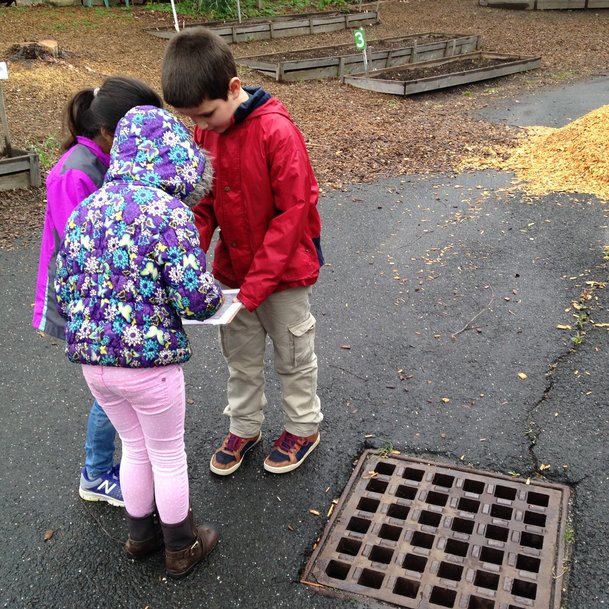
First graders map storm drains on the Jackson Street school grounds.
First graders map storm drains at Jackson Street

Outdoor investigations were highlights of the water inquiry project, both for teachers and kids.  Going out in a downpour, looking up at clouds, peering down storm drains and watching the river after a storm, were moments that stood out for teachers because their students were deeply engaged in trying to explain phenomena in their world.  Like their students, teachers’ curiosity and sense of wonder were inspired by exploring the Botanic Garden and following water downstream from the MacLeish Field Station.  As third grade teacher Amanda Newton reflected, “Exploring the garden and bouncing half-formed ideas was helpful and inspiring.” Most recently, first graders in Katy Butler’s class have been mapping drains on their school grounds and discovering that there are actually three different kinds of water moving through underground pipes:  clean, dirty and in-between.

Questions and diagrams by first graders, Jackson Street

“There is something compelling about water.”
Everyone echoed this teacher’s comment. Building on initial ideas about “why water?” – it’s everywhere, it keeps changing forms, it sustains life, we have to improve how we manage it as a resource – teachers were struck by the vigor and persistence with which their students developed water questions, theories and explanations.  A third grader wrote in her
Nature Notes journal, “I love studying water.”  

Teachers intend to continue working with overarching questions about water that emerge from children’s discussions, experiments, diagrams and outdoor investigations.  We identified key ideas that raise promising problems of understanding, including: movement, cleanliness, human interactions, changing states and ownership.

  • Where does water come from? Where does water go?
  • What does water do? What do we do to water?
  • What do we mean by clean/dirty water? How/why/where does water get clean or dirty?  
  • Who does water belong to?

One teacher reflected that water questions are “still alive” even when the classroom focus shifts to another topic: children bring new questions; revise their theories; and construct new explanations based on something that happens outside of school, like flying through clouds on an airplane (“Why is it bumpy inside the cloud but not outside the cloud?”)

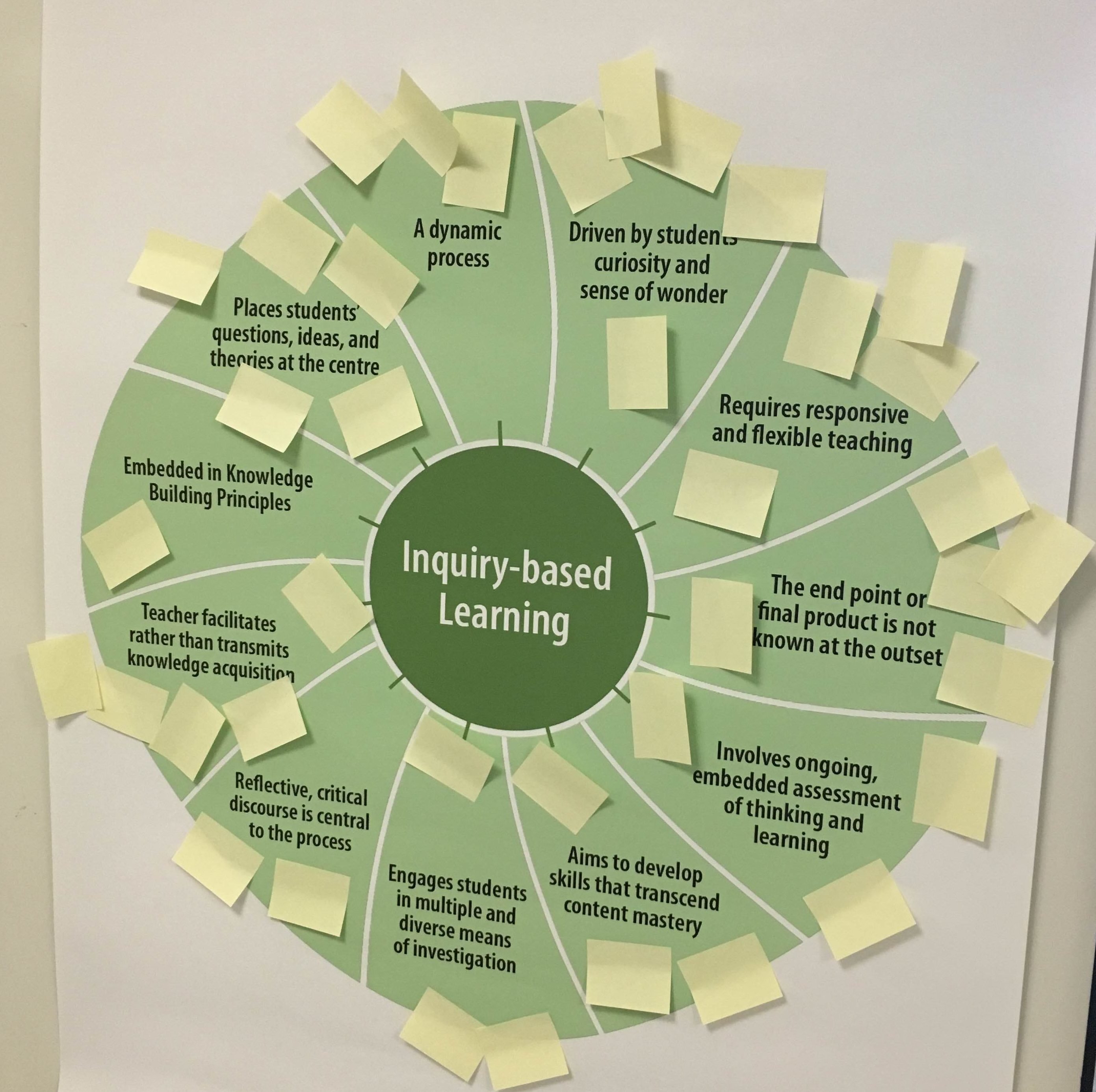
Chart from Natural Curiosity, Dr. Eric Jackman Institute, University of Toronto
Chart from Natural Curiosity, University of Toronto

What are we learning about how to spark and sustain scientific inquiry?
Teachers identified strategies, or “teacher moves,” from the water inquiry project that they found most helpful in supporting and advancing inquiry-based learning:

  • Start with a question to create a problem of understanding and “disturb thinking.
  • Draw (and revise) diagrams to imagine and map water flow (e.g. cloud-to-faucet).
  • Question each other’s work, using post-it notes to develop and classify group ideas.  
  • Be on the lookout for teachable moments.
  • Design experiments to investigate problems of understanding.
  • Be a co—learner (in collaboration/communication with students and colleagues).

The role of teacher as facilitator of idea-building, rather than transmitter of knowledge, was an important discussion throughout the year.  As Kindergarten teacher Mary Ellen Reed reflected, “It is okay to let children/adults develop their own ideas over time through more observations, conversations, exploration.”  Re-framing the role of the teacher raised lingering questions, including when and how to introduce authoritative sources.  Teachers agreed unanimously that they want to continue with this collaborative approach to learning. They conclude that it is “fun and provocative,” gets them “engaged and involved in deep thinking about practice,” and “it’s refreshing to collaborate on how to move ideas forward.”

STUDENT PERSPECTIVES
What were our favorite parts of working on the project this year?

Hannah and Ruth analyzing student diagrams

Ruth Neils is a rising sophomore at Smith College and is double majoring in Education and Environmental Science and Policy:
Throughout this year, what I found to be the most compelling, and also the most challenging, aspect of the project involved working with the water inquiry group to find ways to develop  and foster student thinking. Looking at student work during classroom visits and roundtable discussions provided opportunities to focus on ideas and concepts that children were working to understand. It was challenging  to uncover ways to guide students’ thinking while ensuring that questions and ideas about these topics were not just answered but discovered and understood. While this aspect of the project was difficult, I also found it incredibly valuable because it involved collaboration and problem solving using every member of the water inquiry group, which allowed ideas and half formed thoughts to develop into possible solutions and actions that could become an aid for all of the members of the group when they encountered a similar dilemma.

Hannah Searles is a rising junior at Smith College and is double majoring in Education and Psychology:
What I found most compelling this year was thinking about how to begin and continue inquiry. There are so many intriguing questions and mysteries to be found in the world around us, and the genuine curiosity that it inspires is a perfect starting point. One of the things we talked about at the roundtables was how the teacher can be a co-learner. During the year, I realized how many gaps I had in my own knowledge about water! Using real questions inspired by natural curiosity seems to be a key to sustaining inquiry. One question that I found both compelling and challenging was how to balance natural inquiry and the introduction of authoritative sources. When should they be introduced? Should they? One of the things that I took away from this year is that it’s okay not to know the answers – inquiry can be messy, non-linear, and branch out in many different directions! The process is just as important, if not more, than the end product.

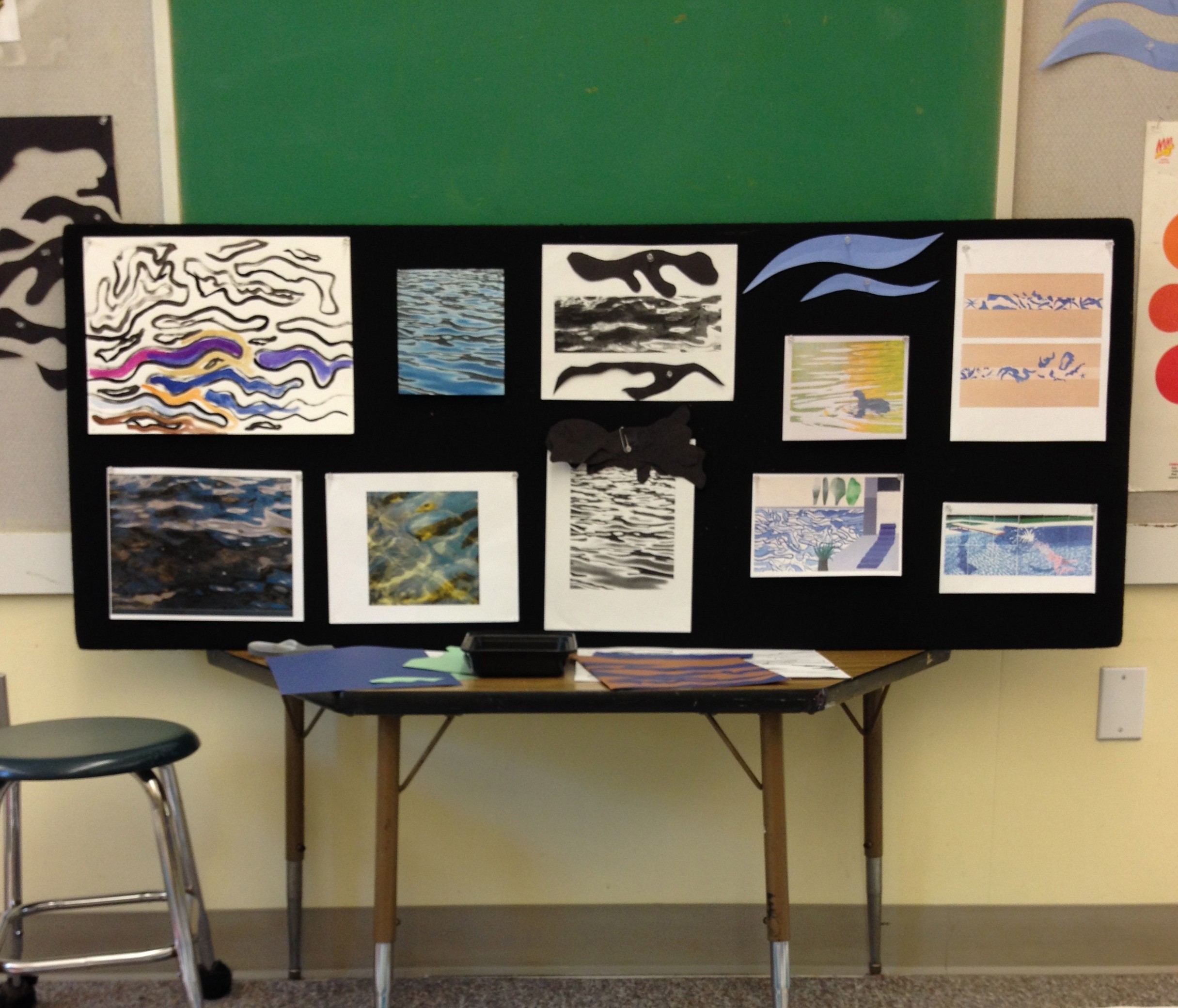
Images from Bob's third grade water study in art
Images from Bob Hepner’s art studio, third grade water study, Campus School

Thank you to all of the teachers and children, and Smith students and faculty, who make this work exciting and productive. We look forward to collaborating next year and hope you and your students will help us rescue ducklings from a storm drain in our upcoming teaching-as-storytelling adventure (in the works this summer).

by Carol Berner, Ruth Neils and Hannah Searles on behalf of the Water Inquiry Group.

Investigating and Using Community Resources

Follow up to the Questioning Activity
by Katy Butler, First Grade Teacher, Jackson Street School

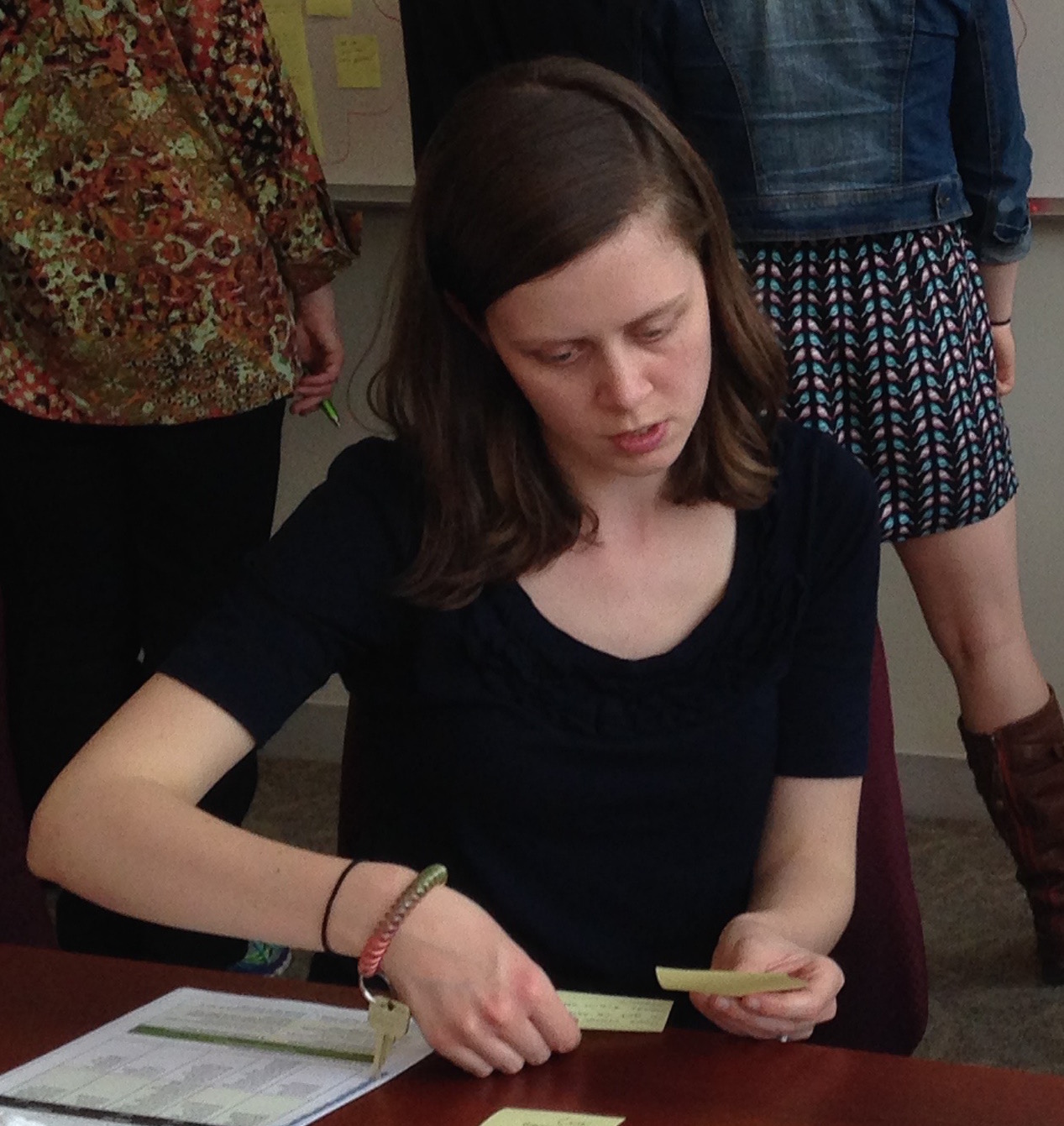
Katy Butler sorting questions

At our last round table discussion, Renee presented work she had done with her class.
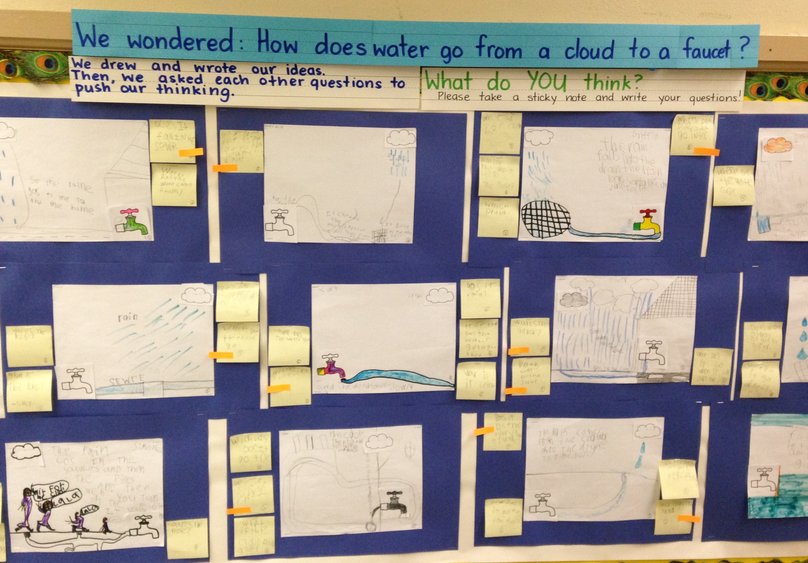
Each student was given an image of a cloud and a faucet and asked to show how the water got from one to the other (just as we did this summer). Then she had her students look closely at the representations and ask questions they had or that would push their friends’ thinking. We tried this activity ourselves, organizing and categorizing our questions.

I tried this questioning activity with my first graders (they had just recently made their own cloud to faucet representations so I could see how their thinking had evolved since the fall). I collected and typed up their questions, and noticed a couple common themes. I am planning to organize the questions with them when we return from spring vacation, but I wanted to tap into a few more resources in the meantime. After searching the Northampton Public Works website, I emailed the directors of stormwater and wastewater treatment. They sent me two resources that I wanted to share with everyone!

Here is a section of the email I sent Northampton Public Works
We came up with many questions, but most centered around gutters, drains, sewers, pipes and cleanliness. Here are some examples:

Does it fall in the sewer? Where does the water land? Does all water go in the sewer?
Does water always go in the gutter? Where does it go after the rain? Where does it go in the pipes? Where does it get transported? How does it go in the sewer? How does it get to the home?
Which house does it go to? How does the pipe go to everyones house with one pipe?
Why is there only one pipe? Which drain does it go in? How does the water get to the faucet?
Where is the cleaner? How does it get clean?

Up until now, much of our inquiry has been investigated with experiments or observable phenomenon. Now I am unsure how to help students follow these questions without being able to “see” all the pipes. I also see a misconception about waste water and drinking water that is very interesting. I am writing to see if either of you might be able to help with our inquiry. Are there maps of the water pipe lines in Northampton? Is there a location where we could visit and see the gutter connecting to a pipe or series of pipes?

I heard back immediately, and here is part of one response that may be helpful to others:
“I know the most about the stormwater system in the City of Northampton and I would be happy to help explain how the City’s different utilities work. There are three separate systems in the City:

  1. Water (clean drinking water)
  2. Sanitary Sewer (waste water from houses and buildings)
  3. Stormwater (rain water and snow melt)

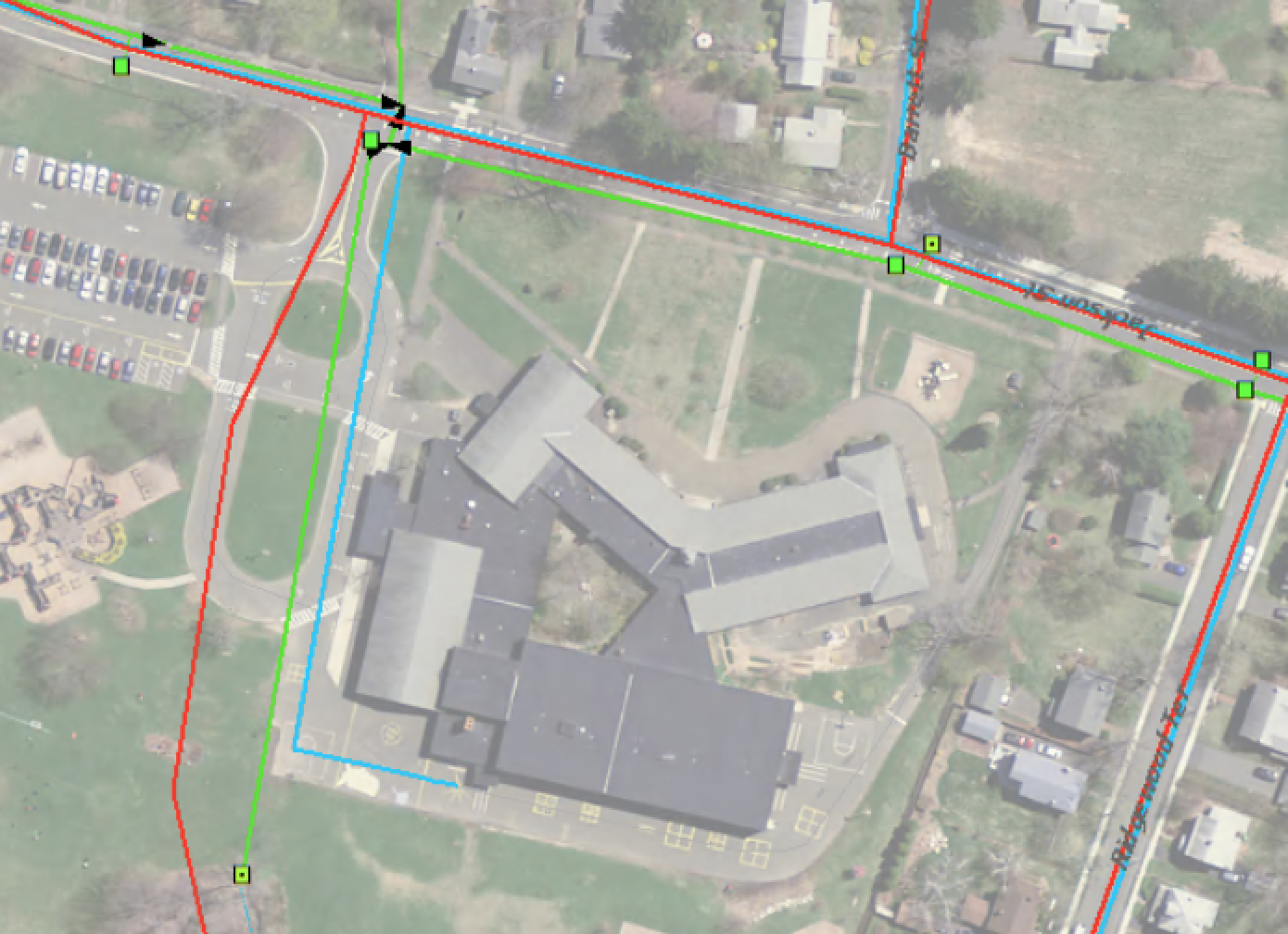
I made a map of the three sets of pipes that are around Jackson Street School.

Detail from JSS map of three pipe systems

Solid blue is drinking water, red is sewer and green is stormwater with green squares for catch basins which are the grates in the roadways where rain water goes in.  I believe there are more catch basins at Jackson Street School in the parking lot and around the property that are not on the map. The students could look for these and help us add them to the map. The dashed blue lines are brooks. I know maps may be difficult for the kids to understand so I’ll look for some pictures or diagrams that might help explain all these hidden systems and where water comes from and where it goes.

Here’s a quick description. The drinking water in Northampton comes from reservoirs in Whately and Williamsburg and runs through a water filtration plant in Williamsburg before flowing through pipes to everybody’s faucet. The waste water (toilets and drains inside buildings) from houses and buildings all flows through sanitary sewer pipes to the waste water treatment plant located off of Hockanum Road. The waste water treatment plant cleans up the waste water and then sends clean water to the Connecticut River. The stormwater that is collected in roads and parking lots flows through separate pipes to the nearest brook, wetland or river and does not go through any treatment plant. That’s why we need to be careful that we don’t put anything in the storm drains except clean water.”

Perhaps we could all help fill in catch basin maps!
The map of Jackson Street School’s surrounding pipelines is especially exciting, and I plan to find more catch basins with the kids next week. I am working to plan a field trip to “see” this system in action, and may invite one of the water directors to our classroom once we have completed the storm drain map. I would be happy to help others get in contact with wastewater and stormwater departments if they are interested – perhaps we could all help fill in catch basin maps!

written by Katy & posted by Carol

Questions about Water: Cloud to Faucet Student Drawings

COMING SOON: FINAL WATER INQUIRY ROUNDTABLE MONDAY APRIL 25 3:30-5:30  RSVP cberner@smith.edu


Questions about Water: Cloud to Faucet Student Drawings
Water Inquiry Teacher Roundtable

Renee Bachman shows a student drawing

How does water travel?
On the sunny afternoon of March 31, teachers from three elementary schools joined Smith students and faculty to investigate children’s maps tracing the journey of water from cloud to faucet. Renee Bachman brought student work from Leeds Elementary School, where her third graders have been exploring rain, water droplets and the river as part of a year-long water inquiry.  Children’s diagrams stimulated a flurry of questions about how water travels and about advancing inquiry.


Hannah Searles writes questions

Questioning as a Tool for Deepening Inquiry
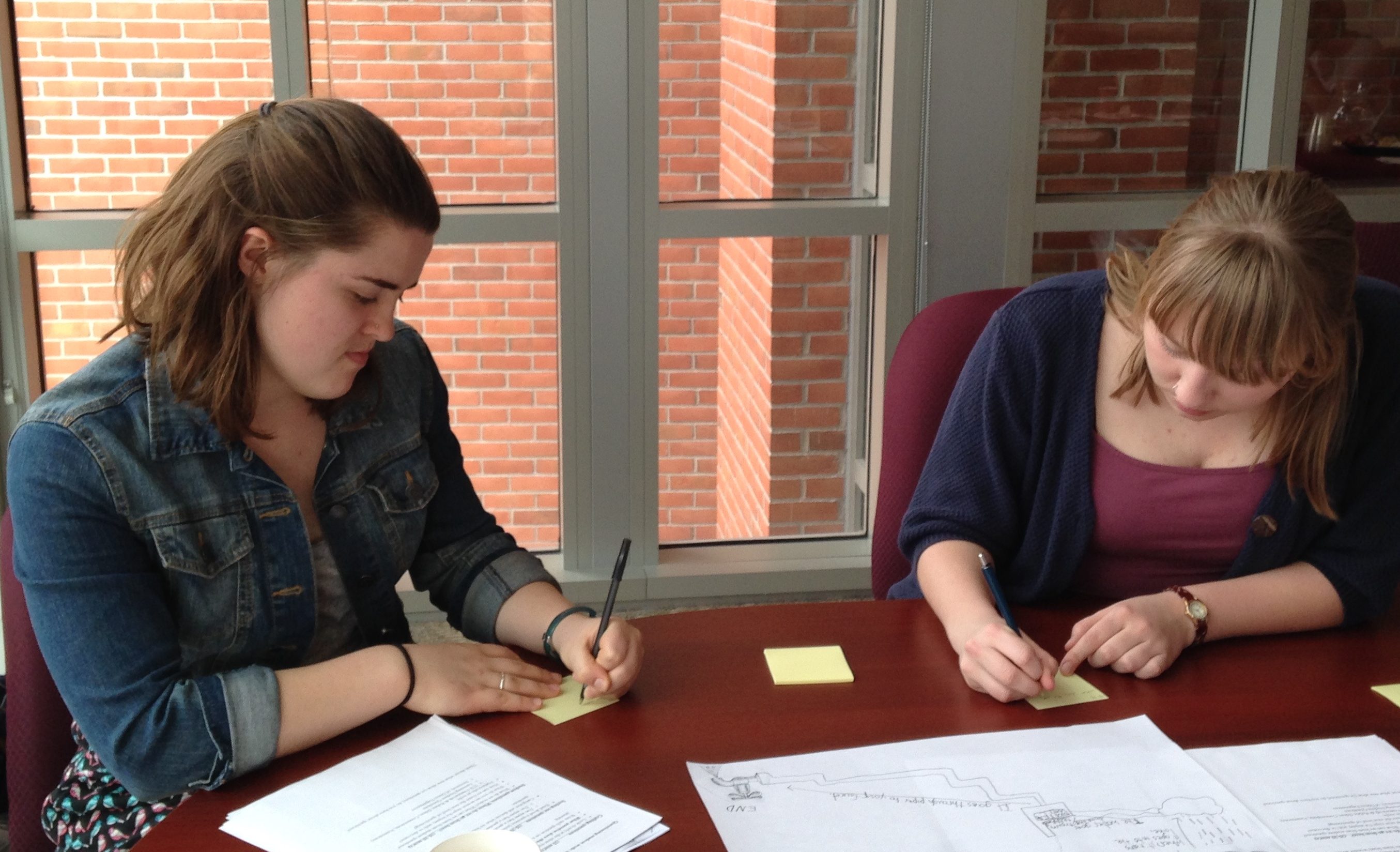
Teachers spent several minutes looking closely at each drawing and crafting questions on sticky notes in response to the prompt:  What questions does this student work stimulate for you?
Questions included:

“How are those pipes connected to the faucet?”

“It says clean water goes in, but how does the water get cleaned?”

“How does the cloud know to let the rain go?”


Sorting Questions
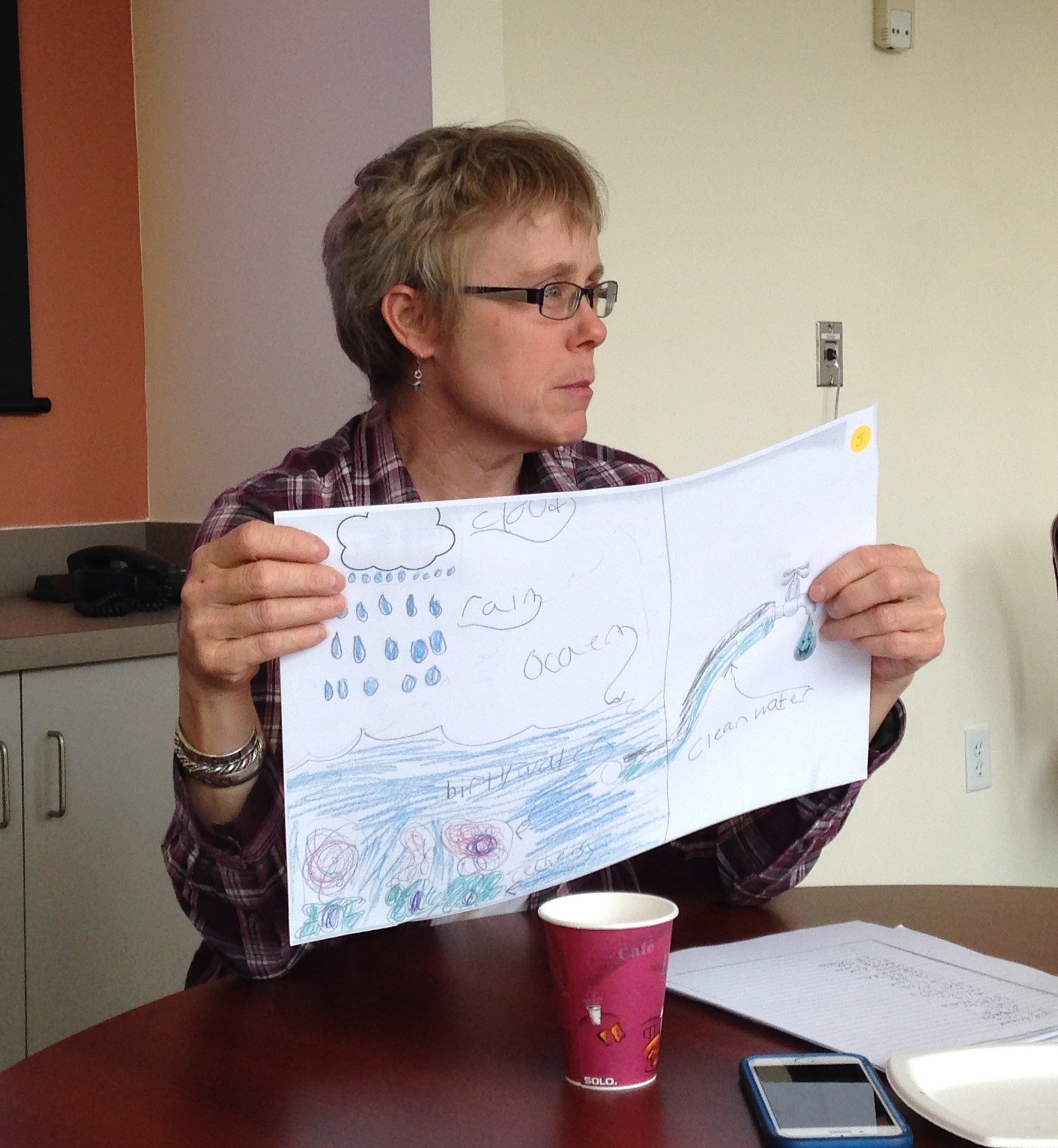
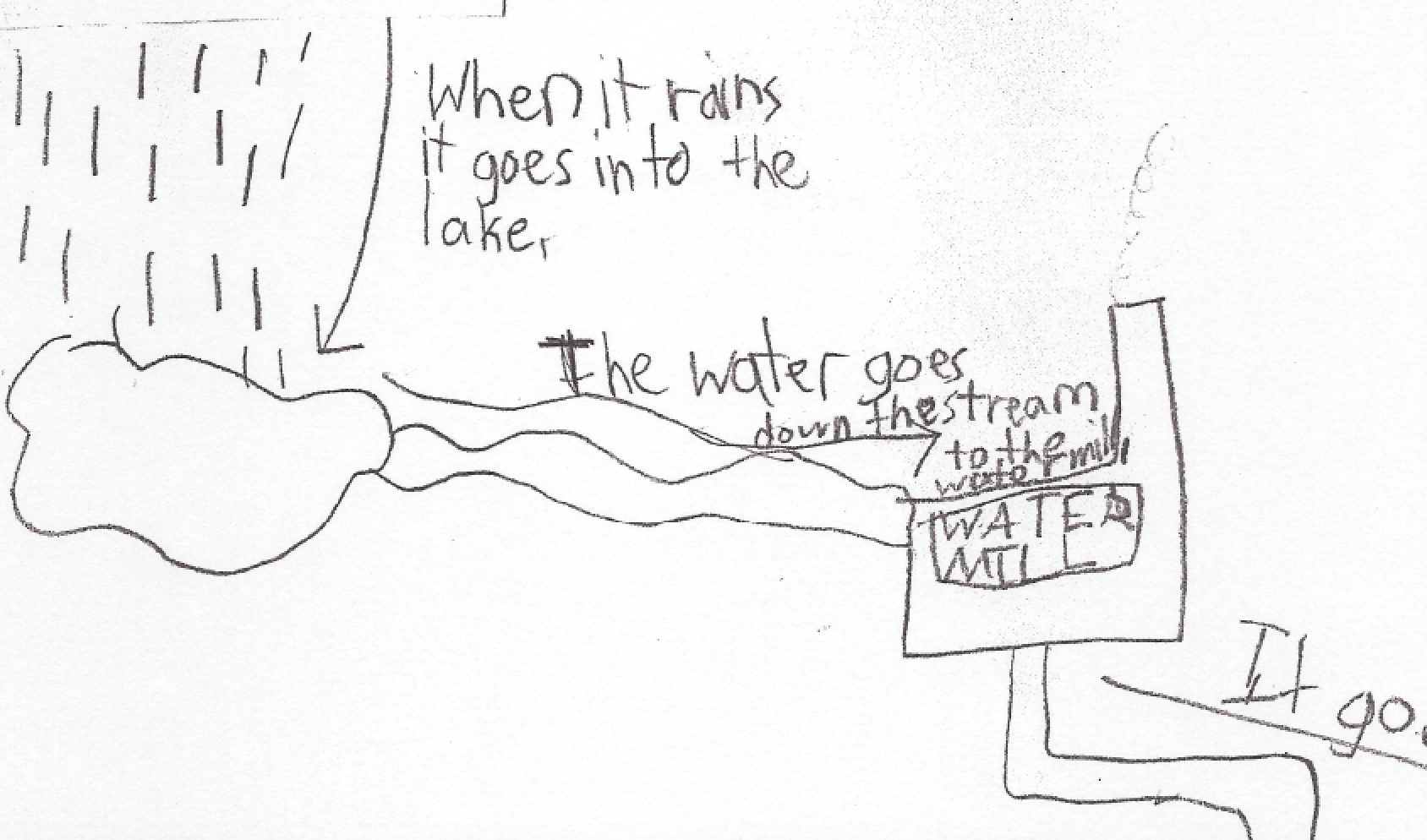
Participants sorted their questions into clusters of ideas by taking turns reading aloud a question and deciding if and how it connected to other questions.  The biggest cluster focused on the overarching question,  “How does water get clean?” One child’s drawing and explanation of the “water mill” provoked follow-up questions about where, why and how water gets clean (and what makes it dirty).

Water mill detail from 3rd grade drawing
Water mill detail from 3rd grade drawings
Katy Butler and Al Rudnitsky sort questions

Identifying Overarching Questions
Teachers worked in pairs with clusters of questions to look for overarching questions and think about next steps for student inquiry:
What makes water dirty?
How does water get cleaned?
What do pipes do?
How do clouds work?
One teacher discovered an overarching theme, “What does water do by itself, and what do we control?”


Maria Garcia pointing to questions about "dirty" water
Maria Garcia examines “dirty water” questions

Where do we go from here?
Teachers exchanged ideas about adapting questioning strategies for K-3 classrooms. Marcia Garcia highlighted the importance of students asking their own questions and thought her Kindergarteners would want to investigate what makes water dirty. Bob Hepner had the idea of exploring how pipes work by building marble mazes. Katy Butler brainstormed ways to help first graders write and sort questions. Al Rudnitsky discovered a cycle of questions in the “cloud” cluster and  Hannah Searles was curious about the “creatures” living in the “dirty” ocean water pictured in one child’s drawing.


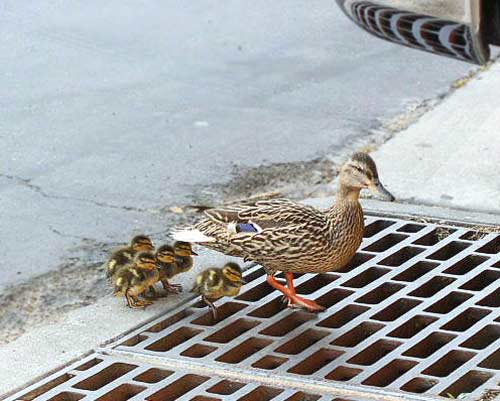
https://www.google.com/url?sa=i&rct=j&q=&esrc=s&source=images&cd=&ved=0ahUKEwivxpqD7YTMAhUEWT4KHT9JD_0QjRwIBw&url=http%3A%2F%2Fwww.queensu.ca%2Fsecurity%2Fgraphics%2F2004%2Fducks-without-security.html&psig=AFQjCNG-7SwhumGF6BfQi1R7E8j8xj-UdQ&ust=1460404541799605&cad=rja

Sneak Peek! Water Story for Classrooms
Ruth Neils and Hannah Searles read aloud their working draft of a water inquiry adventure story designed to engage children in asking questions and solving problems to rescue ducklings from a storm drain. Al connected the water story to his research using story-telling as a tool for teaching first grade math Investigations. Participating teachers gave valuable feedback about the story, which students are eager to revise and pilot in classrooms.  Stay tuned for more!

Written by Carol Berner on behalf of the Water Inquiry Team
Ruth Neils (’19)  Hannah Searles (’18) and Al Rudnitsky
(with Pinn Janvatanavit contributing images and ideas)

Reflections on the Fall Semester

The Water Inquiry Team held two roundtable sessions this year, bringing together participating teachers from four schools to discuss classroom initiatives and reflect on idea-centered learning. We enjoyed these chances to hear about the real challenges of sustaining inquiry in the classroom and, of course, to examine student work. In the coming year, we hope to move these avenues of inquiry forward as a group and develop new resources for teachers interested in furthering idea-centered learning and improving children’s understanding of water.  

Learning from water inquiry roundtable discussions

IMG_4298
Jan Szymaszek contributes to the group chart at the November 9 roundtable.

On September 29, Jan Szymaszek, third grade teacher from Smith College Campus School, presented student work from her class’s first group discussions of fog. The work brought up a number of questions. Most importantly, perhaps, the group discussed the relationship between students’ noticing and wondering vs scientific fact. Where does the teacher’s responsibility lie when students wander down an unforeseen path (for example, if students postulate that fog is not water at all!)? How do we document the rich discussions that may happen spontaneously on the playground, or during lunch? Or how can a teacher bring different forms of water (fog, in this case) to the students? Some teachers wondered about launching their own water inquiries, allowing other teachers to offer advice and resources.

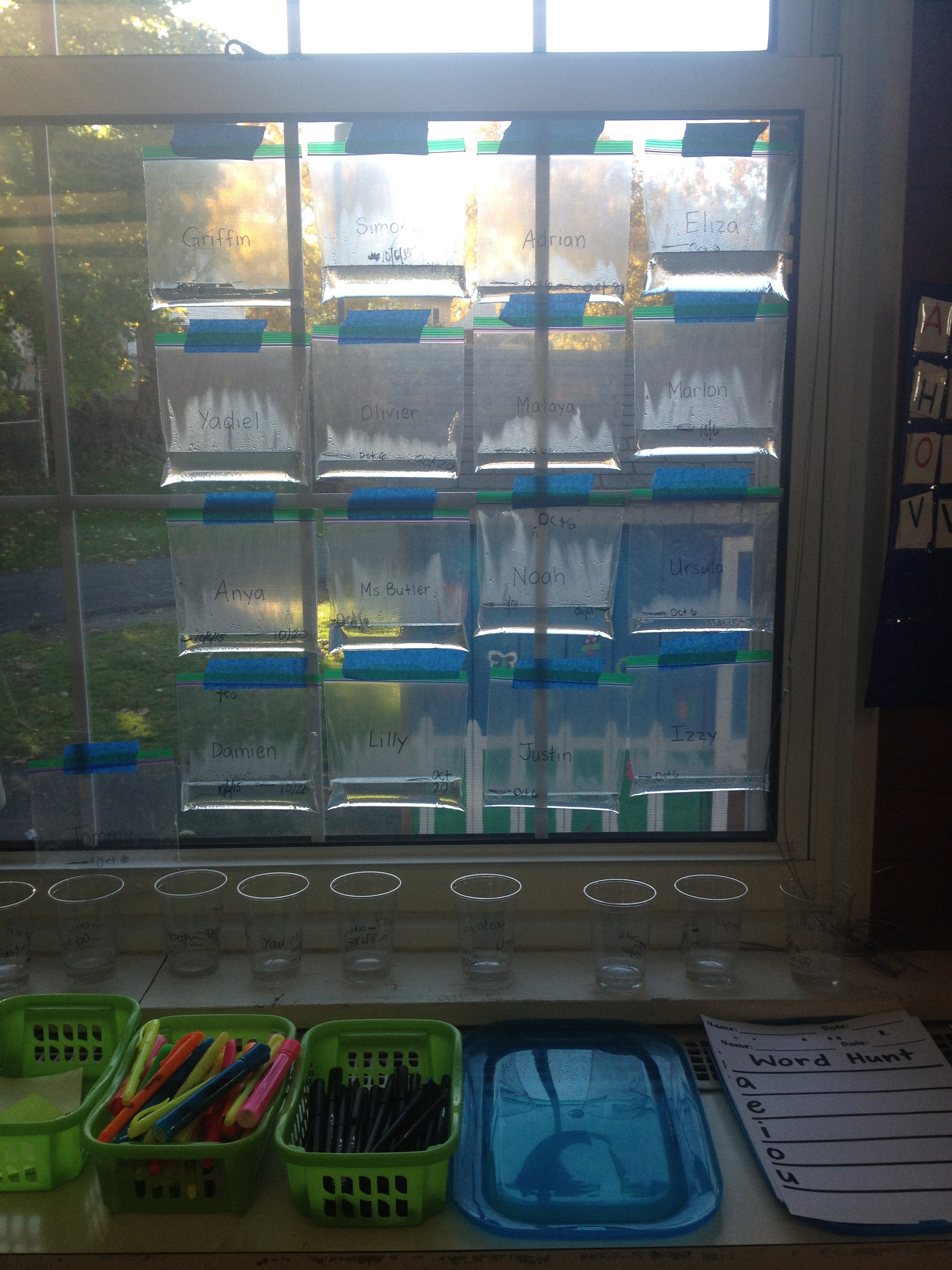
Sealed bags and open cups of water are prominently displayed in Katy Butler's classroom.
Sealed bags and open cups of water are prominently displayed in Katy Butler’s classroom.

We reconvened as a group on November 9. Katy Butler, first grade teacher from Jackson Street School, presented students’ predictions and observations comparing water in a cup and in a sealed plastic bag: “Where will it go?” and “Where did it go?”  Following the discussion of the children’s work, everyone participated in a knowledge building activity, using a visual representation to display individual theories and how they connected with one another. This exercise brought up many more questions that we look forward to exploring in the future: What comes after the collection of students’ ideas? When is it time to bring an outside source into the discussion? Does the introduction of an expert source close the conversation, or can it open a new avenue of inquiry?


Reflections from students on the water team

With these questions and observations in mind, students from the water team reflect on their experiences participating in the roundtables below.

Ruth: In both roundtable sessions I found it very interesting to learn more about how students in each class develop their ideas about water through drawings, experiments, and class discussions. In both Jan Szymaszek’s classroom and Katy Butler’s classroom the students’ ideas about water shifted: from observations of turquoise pipes and imaginative theories involving large splashes, to ideas encompassing evaporation and the water cycle.  I am very interested to see how student theories continue to develop and how this development occurs. The Water Inquiry Team hopes to help guide continuing idea development about water, for teachers and students.

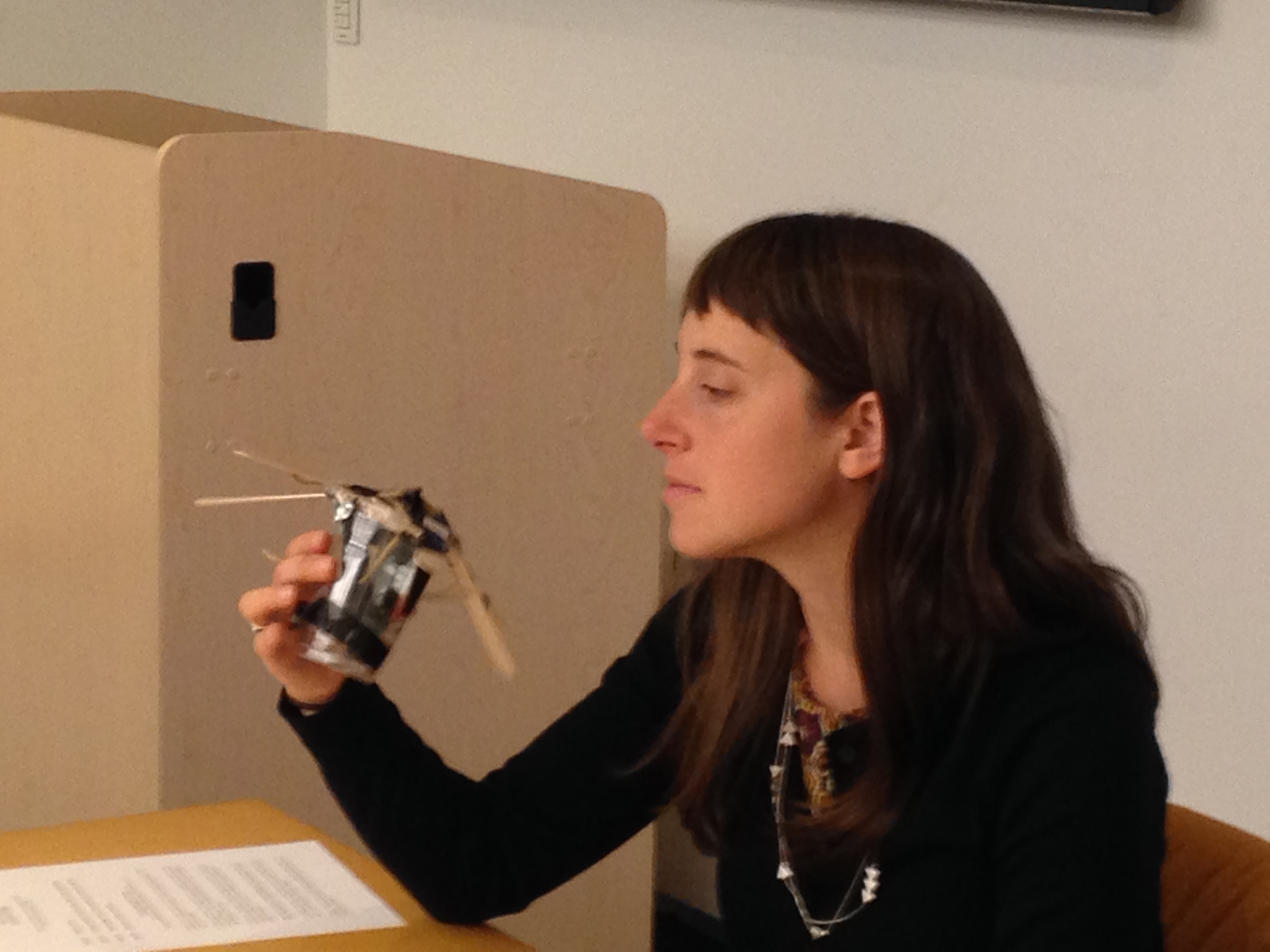
Elena Betke-Brunswick examines one of the student-made "windproof machines."
Elena Betke-Brunswick, Water Inquiry Participant, examines one of the student-made “windproof machines.”

Catherine: What most interests me is the question of when to allow students to continue to search for answers on their own and when to bring in the expert. The work that Katy Butler presented at the most recent roundtable was a perfect example of how the teacher may guide discourse without calling on an authoritative source. Initially, her students believed that water evaporation was caused by splashing, so she encouraged them to fill plastic cups with water and then observe how the water level changed. As the water level dropped without splashes, children then concluded that wind must be blowing the water out of the cups. Currently, students are building “windproof machines” to see if that theory holds. But the question, echoed by many teachers during our visual exercise, still remains: Where to go next? At what point does the teacher have to hand the reins over to an outside source? How do you do that? Or do you have to? I look forward to grappling with these questions in the near future.

IMG_0825
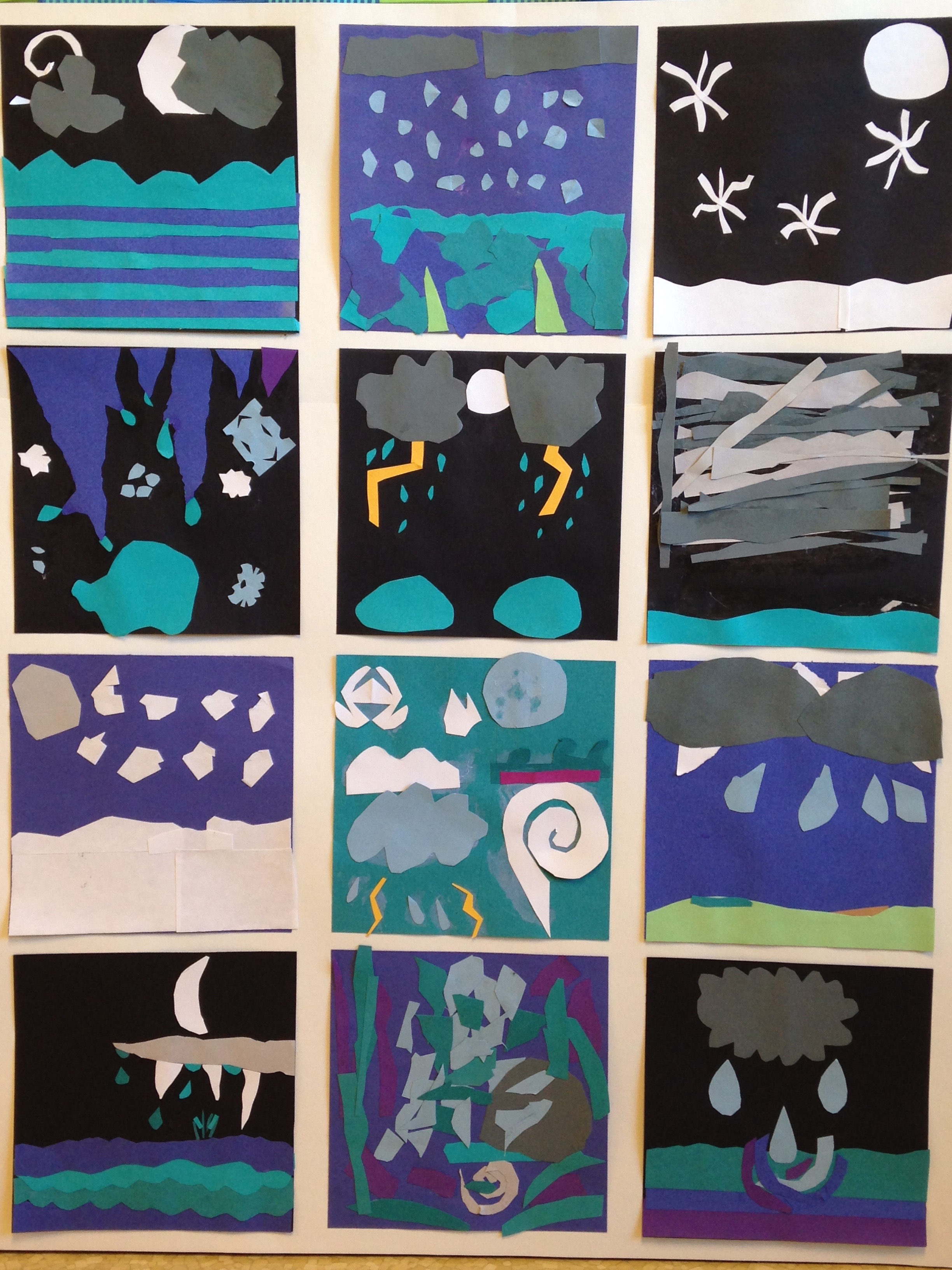
Third grade students at the Smith College Campus School have created collage artworks in response to their water studies.

Hannah: I found myself really excited to learn more about what is going on in classrooms right now. In both Jan and Katy’s classrooms, students are in the process of refining their theories.  A combination of group discussion and experimentation drives the transition from an individual theory to a community theory. I look forward to seeing these theories develop as the year continues. Questions that I am interested in exploring also include: What is the role of the teacher in guiding discourse or theory formation? How can we support the shift from individual to community theories? I am looking forward to investigating these questions in the coming months.

What’s next?
As the year comes to a close, we leave for the holiday break with exciting data from teachers to analyze and many questions to consider and pursue going forward. Currently, the Water Inquiry team is contacting participating teachers to further learn about what is happening inside their classrooms and what sort of tools and techniques we can provide to help support their students’ inquiry. In March and April, we will hold two more roundtable sessions, sure to spark discussions as thoughtful and intriguing as those from this semester.

Blog post by Catherine Bradley, Allyson Ciccarone, Ruth Neils and Hannah Searles

Reactions to Teachers’ Ideas

The school year is just a few weeks old, but we are already hearing of exciting plans and developments from our Water Inquiry teachers. As we prepare for our first teacher roundtable session at the end of the month, the student members of the Water Inquiry team wanted to share our initial reactions to various project launches.

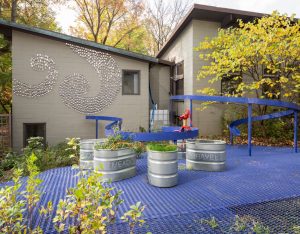
The Rain Yard, designed by Stacy Levy and installed at the Schuykill Center for Environmental Education in Philadelphia.

Catherine: What excites me is the possibility of collaborations between grades as well as interdisciplinary connections. Too often, learning is done in a vacuum, and what a student learns in third-grade science does not seem at all applicable to fourth-grade English. That’s why I was particularly intrigued to hear that 2nd and 3rd grade teachers from the Smith College Campus School are working together as a team to design their projects. I am also interested in ways of studying water inquiry that are not directly connected to science. Early ideas ranged from collecting water outside in some sort of artistic installation (from Katy Butler at Jackson Street School) to writing personal stories about water and creating geometric-based drawings to illustrate the story (from Renee Bachman at Leeds School). Since water is all around us, I am excited to see ideas that will make this theme as ubiquitous and present to students as water itself.

Rain.jpgRuth: While reading the observations about water from the 2nd and 3rd grade students at the Smith College Campus School I noticed repeated questions and observations about water moving objects around it. This brought up questions on the power of water. How strong is water? What can it move? How does water move these objects? This inquiry both noticed and then investigated by students opened up many other areas of study into the strength and power of water. I am excited to see if this topic continues to be pursued by students along with new discoveries and exploration into the different roles water can play in our community.

Allyson:  As I read over the email responses from August, I was struck by ideas from the teachers at Jackson Street School. Ms. Garcia plans on structuring her kindergartners’ study around the question “Why is water important?” This essential question lays ground for years worth of scientific understanding, supported by Ms. Garcia in the form of observations, books, discussions and exploration. The social implications of this question may also be discussed in the form of another essential question: “Who controls water? Is this fair?” In the first grade, Ms. Butler plans on structuring her inquiry around the questions “Where does water come from?” and “Where does water go?” Plans to go outside make me wonder what questions will be stirred up by the quest to ‘track’ water. (A word of advice: another teacher recommended that students definitely bring a change of shoes!) I can’t wait to see how her wall space for collective learning and idea building develops over time.

Both teachers plan to continue their water inquiry throughout the year. I hope that students in these classrooms will connect water studies with other scientific topics they cover. The fact that these students are a year apart also presents an interesting opportunity for both classrooms. I can certainly image a group of kindergartners and first graders standing at a classroom window in the winter making group observations about the icicles forming outside.

Meet the Students on the Water Inquiry Team
Welcome back to school! We are very excited for the year ahead and to see what directions the Water Inquiry project takes. This year’s plans for the project will be discussed in a later post, but before getting started, we would like to take this opportunity to introduce the student members of the Water Inquiry team. We look forward to visiting your classrooms and sharing water resources throughout the year.

Catherine Bradley is a juniorBradley,Catherine at Smith College majoring in history and minoring in education. She has a strong interest in informal learning experiences and making educational resources such as museums, libraries, and archives accessible to all. Catherine spent her summer literally surrounded by water on the island of Nantucket, where she enjoyed swimming, biking, and exploring the island’s natural beauty while also interning at a historic house museum.


IMG_7958Allyson Ciccarone also attends Smith College and began her work with the Water Inquiry Project during the summer of her first year. Now a junior, she continues with student-centered engagements in settings both inside and outside of the classroom, including after school programs and tutoring. Allyson plans on teaching  history after gaining her certification. While passionate about her major, she is also interested in English Language Learners, shaping learning opportunities outside the classroom and developing creative methods of teaching. Over the summer, she worked two jobs while indulging in semi-regular hiking trips and days at the beach.


Hannah Searles is a sophomore at Smith College majoring in education and psychology. She plans to pursue licensure to become an elementary school teac10357111_759677080761412_1354870593472191533_nher and is particularly interested in exploring science with young children. She spends her summers as a camp counselor working with preschoolers and kindergartners and finds herself constantly inspired by them to wonder “why?” about the world. During the year, she is a diver on the Smith swim team and spends most of her time immersed in water.
 

Screen Shot 2015-07-31 at 4.39.17 PM - Version 2

Ruth Neils is a freshman at Smith College planning on majoring in Environmental Science and Policy and minoring in Education. She is interested in environmental elementary education and spent this summer interning at a nature center helping to develop and lead environmental education programs for children between four and ten years old. In her free time Ruth enjoys biking, swimming, and reading.


Teacher inquiry: From rain drop to faucet

Water inquirers welcome New England weather

elena sketchingThunderstorms on the morning of July 1 invigorated an intrepid group of elementary school teachers meeting at the MacLeish Field Station to launch the 2015-16 Water Inquiry Teacher Group. The Water Inquiry Group is a professional learning community working to improve children’s understanding of water as a natural and cultural resource.

Participating teachers from Jackson Street, Leeds, and Smith College Campus School welcomed the downpour as an auspicious prelude to water investigations facilitated by Carol Berner and Al Rudnitsky (Department of Education and Child Study) with Reid Bertone-Johnson (Landscape Studies and Field Station Manager). In the spirit of Archibald MacLeish’s poem New England Weather, the “changing sky” provided participants with warm sun in time for a picnic lunch.

Water as a medium for inquiry 

In his introduction to the workshop and inquiry group, Professor Al Rudnitsky emphasized the goal of helping children become the kinds of thinkers they need to be in order to function effectively in the 21st century. Connecting inquiry group approaches with the Next Generation Science Standards, Rudnitsky highlighted NGSS scientific and engineering practices including: “Asking questions, constructing explanations, and planning and carrying out investigations.”
He framed a question to guide the group’s collaborative research: How do we design learning environments where this kind of thinking can take place?

rsz_brainstormingTeachers responded with examples of  “setting up conditions kids need to let their curiosity blossom,” and “getting kids to think deeply about something they thought they knew well.” Bob Hepner, Art Teacher at Smith Campus School, concluded “I wish every subject were like water. Kids like everything about it and it’s probably the most ubiquitous and magical substance around us.”

Rain cloud to faucet? Mapping group ideas

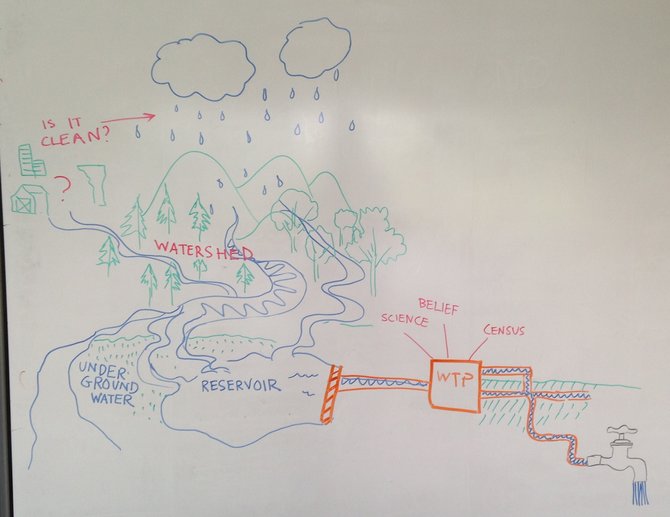
Where does Northampton drinking water come from? Giggles punctuated quiet concentration as teachers embarked on the day’s water inquiry, sketching the journey from rain to faucet.

1 sketching

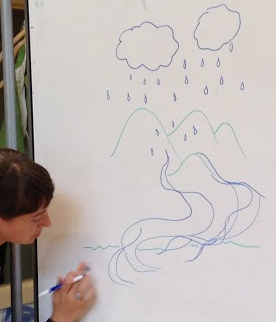
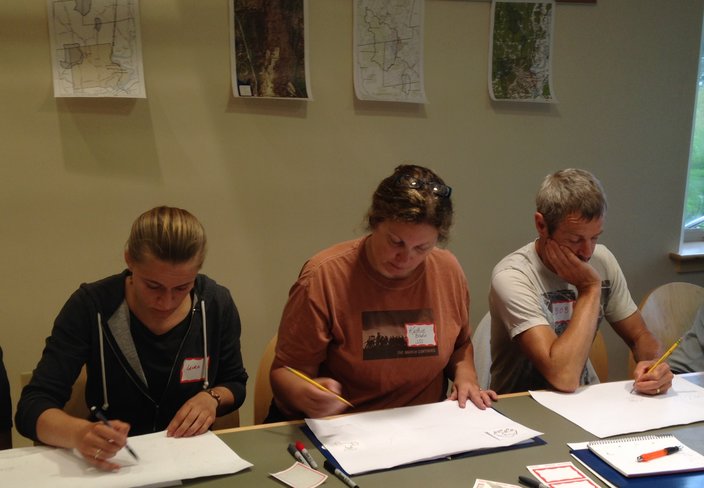
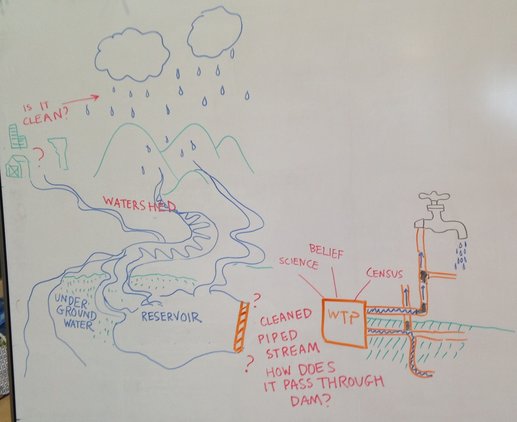
Knowledge gaps became clear when the group co-constructed a diagram of shared understanding, skillfully rendered by Elena Betke-Brunswick (Smith M.A.T. ’15).  Mapping water’s path revealed shared understandings and questions. In almost all of the drawings rain fell from clouds in the upper left corner of the page, flowed down mountains in little streams, then gathered in a reservoir before entering a tangle of question marks leading to faucets.
rsz_group_diagram_1
“How do reservoirs work? What changes in a water treatment plant? Where do pumps happen? Who determines flow?” The group recorded questions about sources of drinking water and different ideas about how watersheds work: “Does some of it come from Vermont? From the Connecticut River? From groundwater? What’s the role of farms and irrigation? Does it get dirty along the way?”


Where does rain go from here? What is water doing?

3 woods al

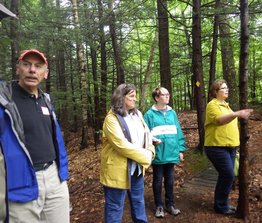
After examining topographical maps, teachers set out in teams to investigate what happens when rain flows downhill (northeast) from the field station. Summer Interns Laura Krok-Horton (Smith ’18) and Liz Nagy (Smith ’18) documented teachers’ responses to the question: What is water doing?

“Dripping on leaves, soaking into the ground, making sounds, rising from mountains (how?), running into the stream (why?), running along ground paths, pooling atop mushrooms, making a slippery environment, making trees fall over, nourishing plants, aiding with decomposition, mixing with soil, flowing through rocks, collecting in pools.”
Reflecting back on the group diagram, participants wondered what portion of the water goes to the reservoir — anticipating the next stage in the investigation.

Insider view of water treatment:  “We make the flow”  

4 plant with dunn

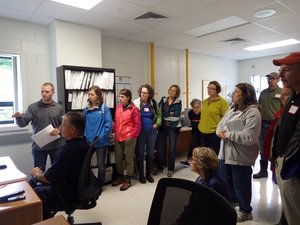
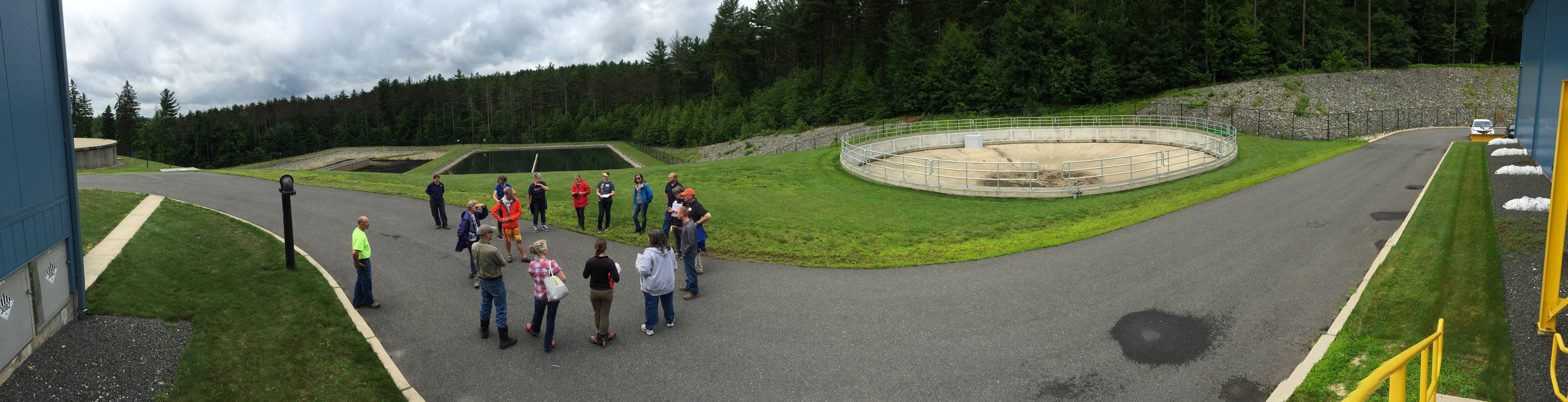
Visiting the reservoirs and water treatment plant raised new questions and revealed surprising discoveries about land ownership, infrastructure, and supply and demand (Coca Cola #1 and Smith #2!).  Andrew Dunn, Chief Plant Operator, gave a lively tour that helped teachers visualize what happens to water between reservoirs and faucets.  One big surprise was that water distribution is gravity-fed. As Dunn explained, “We make the flow.”

Reflecting on Learning

6 final sketch

“Add trees!” was the first revision that teachers made to the diagram of water’s journey from rain cloud to faucet. They were eager to learn more about the relationship between forests and drinking water and wondered how to model and help children discover this connection. “Erase the pumps,” was another important modification to reflect the discovery that drinking water and fire hydrants are gravity-fed. Everyone agreed “the Connecticut River is too low” to flow into Northampton’s drinking water supply, so the river was moved to the bottom of the drawing.

In addition to new findings about water, teachers reflected on the impact of engaging in “multi-layered inquiry” over the course of the day. Katy Butler (First Grade Teacher at Jackson Street School) observed, “I liked being a learner myself. Starting with a question and tracing new learning is something I want to do more of with my students.” Stephanie Flinker (Alternative Learning Program Teacher at Jackson Street) said the day “reaffirmed that good questions lead to more questions.” The group seemed excited to collaborate over the coming year in designing learning environments to spark and sustain water inquiry with their students.

rsz_panorama


For questions, comments or more information about the Water Inquiry Teacher Group please contact Carol Berner cberner@smith.edu. We welcome visitors to drop in on professional development sessions during the school year (schedule will be posted on Water Inquiry Blog).

How Does Water Move? Art and Inquiry

Interested in attending the July 1 workshop at Smith College’s Field Station? There are a few spaces left in this kick-off event for the Water Inquiry Teacher Group.  Please e-mail Carol Berner cberner@smith.edu.


“Some people might call this painting, but really we’re watching water move.” 
– Bob Hepner, Smith College Campus School Art Teacher

The following lesson is the launch for a series of 3rd grade art explorations at the Smith College Campus School with art teacher Bob Hepner. Elena Betke-Brunswick, Bob’s student teacher, recorded this experience as students began observing and experimenting with some of the ways that water moves.

Source of the Lessonwater03
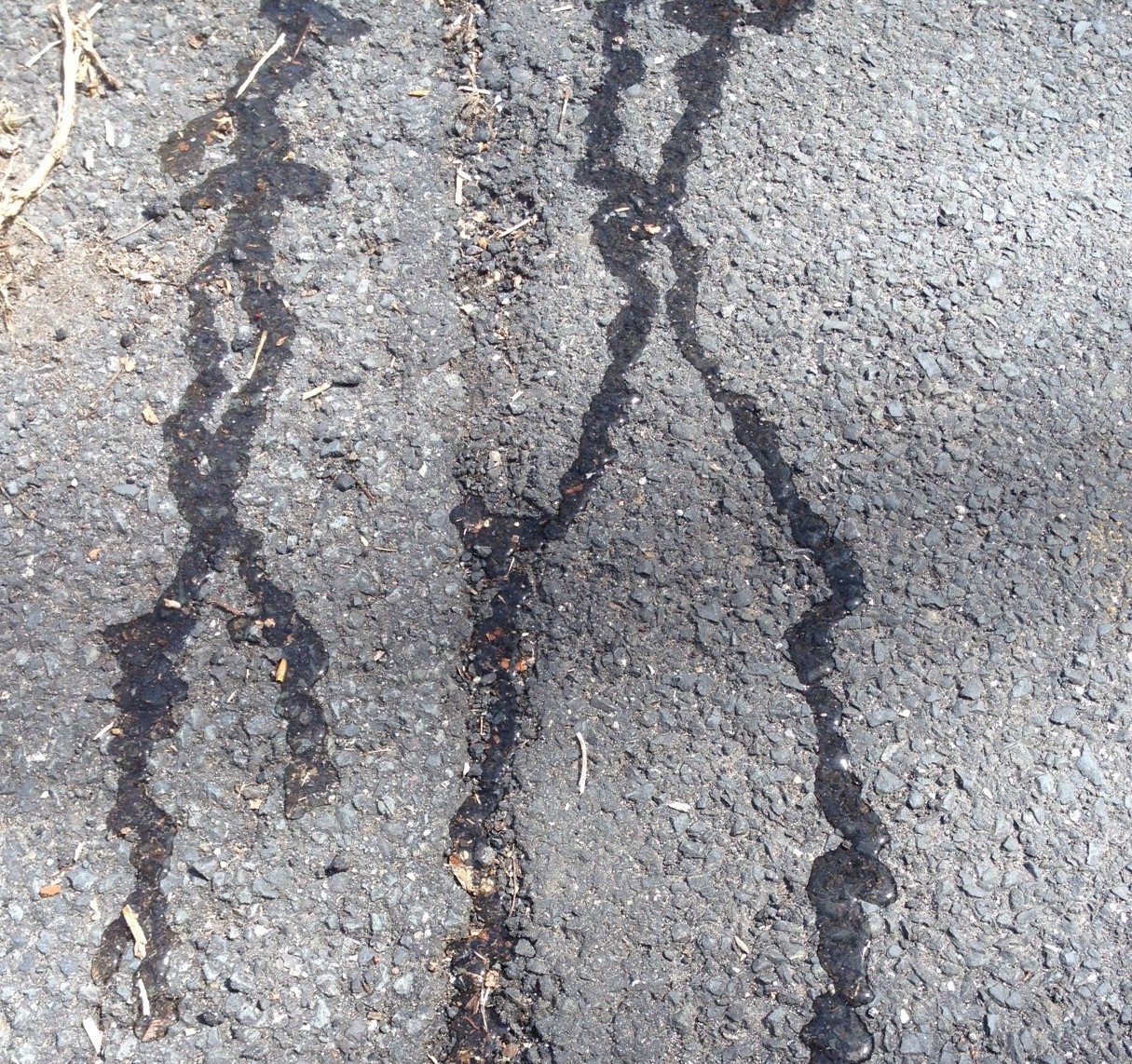
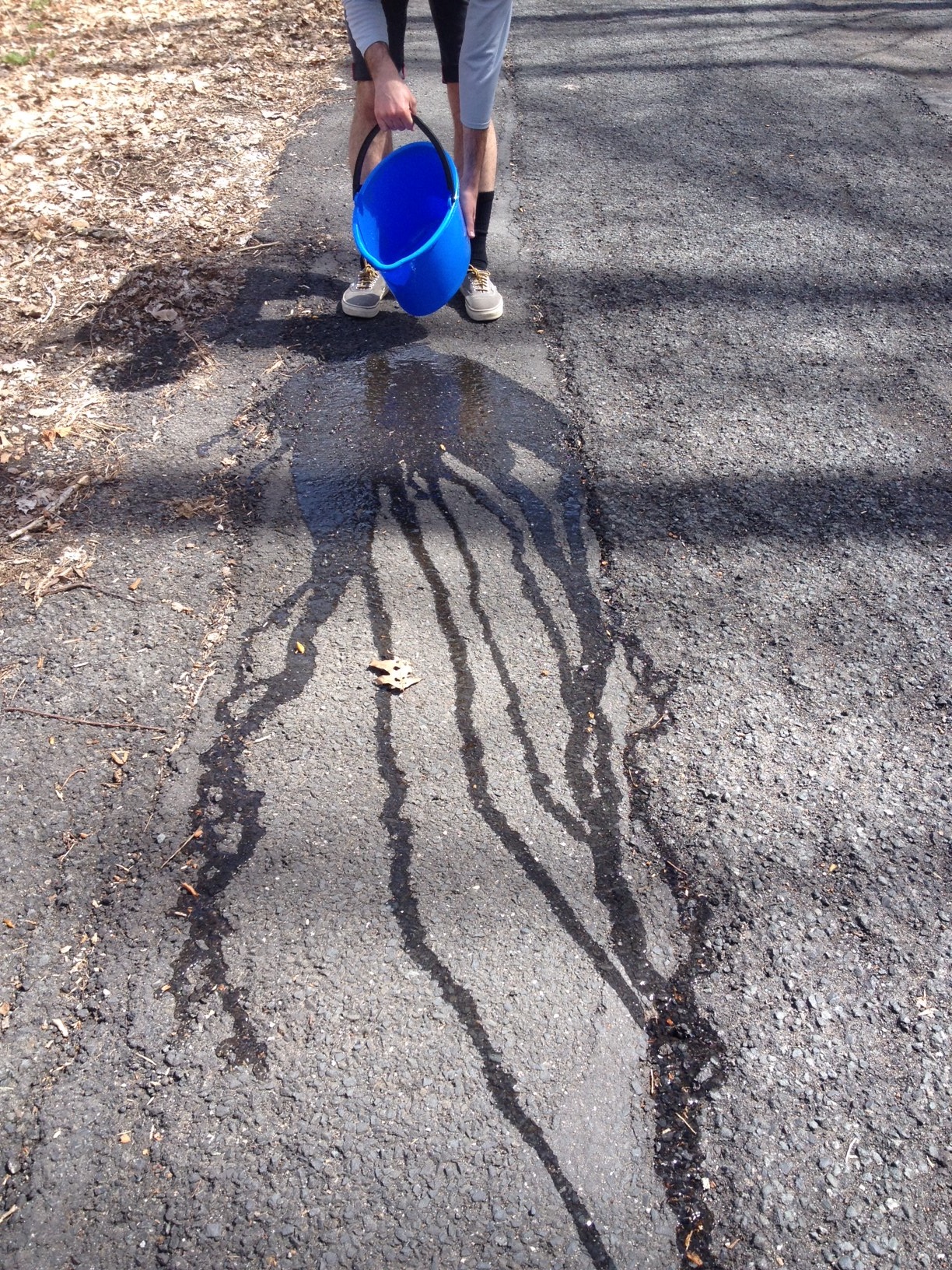
Inspiration for this lesson stemmed from an experience Hepner had while watering his garden.  He noticed how water traveled down his driveway and formed different patterns and branches as it flowed downward, imitating the way that rivers make pathways on smaller scale. He explained that students can recite facts about rivers but they have trouble understanding what is happening because of the large scale of a river.  This lesson helps break down the properties of how water moves while eliciting student curiosity about the properties of water at the same time.

water02Engaging Students

On their way to the art room the class makes a brief outdoor detour to a sloped driveway where they form a line from the top to the bottom of the small hill.  To help students begin observing and forming questions about the behavior of water and rivers, Hepner asks students to notice three things as he pours a bucket of water from the top of the driveway. The water flows downwards, following the dramatic pitch. The Hepner asks if any students would like to share one observation and a handful volunteer. Students seem excited to notice how the water is moving, and to think about how it might mimic a larger river.

Student Experimentation

Next, the class heads into the art room, gathering together on the rug. Surrounding them are photographs of various rivers, waterfalls, and birds-eye-views of winding, snaking rivers.

water paper cut demo

water05

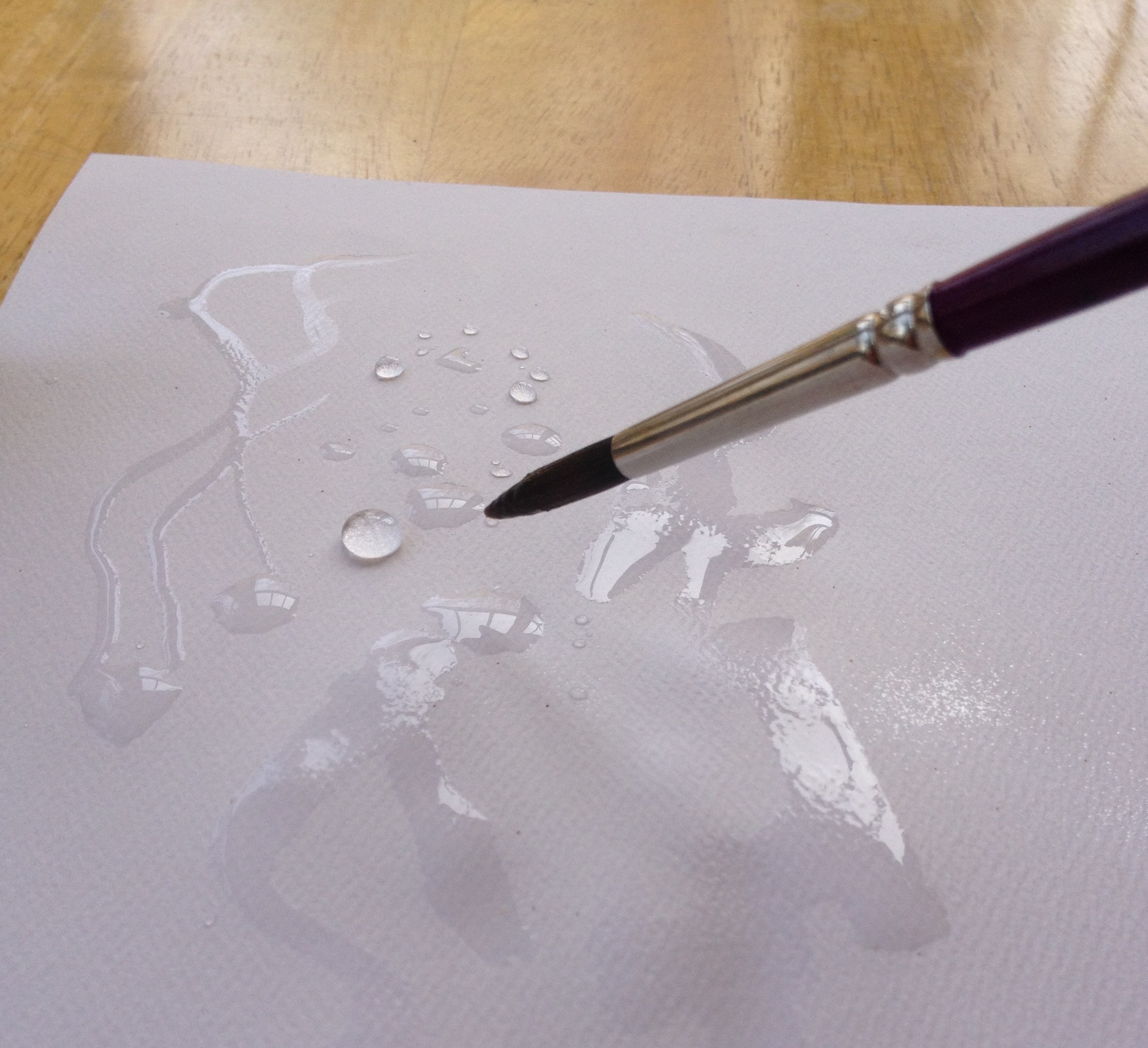
Hepner explains that students will have a chance to conduct this experiment themselves. Instead of a bucket of water and a driveway, they will use this piece of paper and a paintbrush to move water over the page. He models various ways to move water across the page, creating dots that hold tight to the paper and strokes and drips that flow smoothly across from one end of the paper to the other. The students head to their tables and experiment with their brushes, water, and paper while music plays in the background.

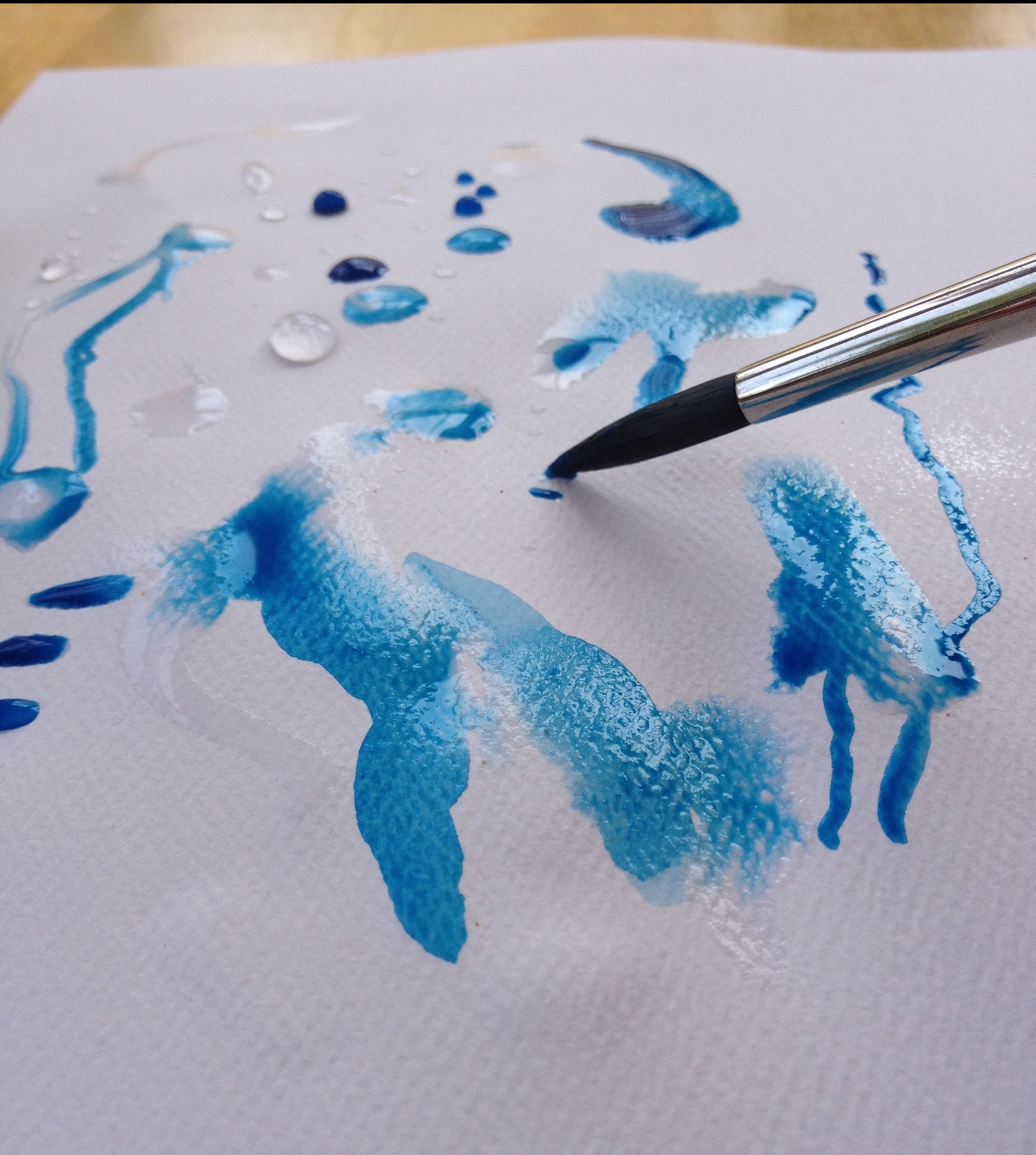
water07Ceiling lights flash, and the teacher announces a new variable: blue pigment. Each pair of students receives a cake of blue tempera paint, advised to add it slowly. After a few minutes, students are asked to share what they have discovered. Their eagerness to share is encouraging: this is just the beginning of the exploration and is meant to get everyone excited to learn more about rivers.

Reflecting on the Lesson
“I really liked how this lesson connected to the unit on rivers.  Students were engaged by exploring the properties of water in in a very specific and detailed way but the door was open to so many different directions for students to take.  I also loved the meditative quality of the painting, and how it wasn’t about the paint or the image but the feeling of moving water and noticing the way it interacted with the page.”  Elena Betke-Brunswick


Integrating Art into the Mill River Study:  Further Explorations by 3rd Graders

water paintings

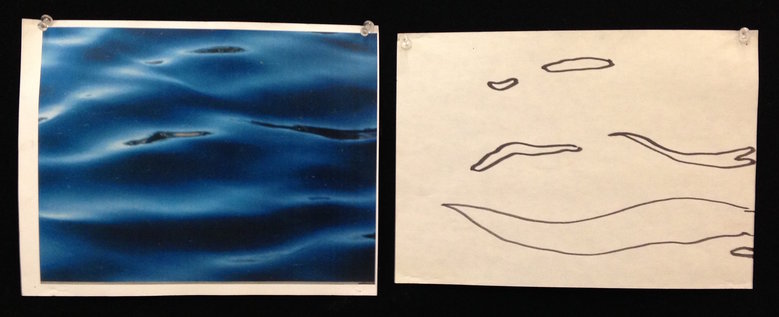
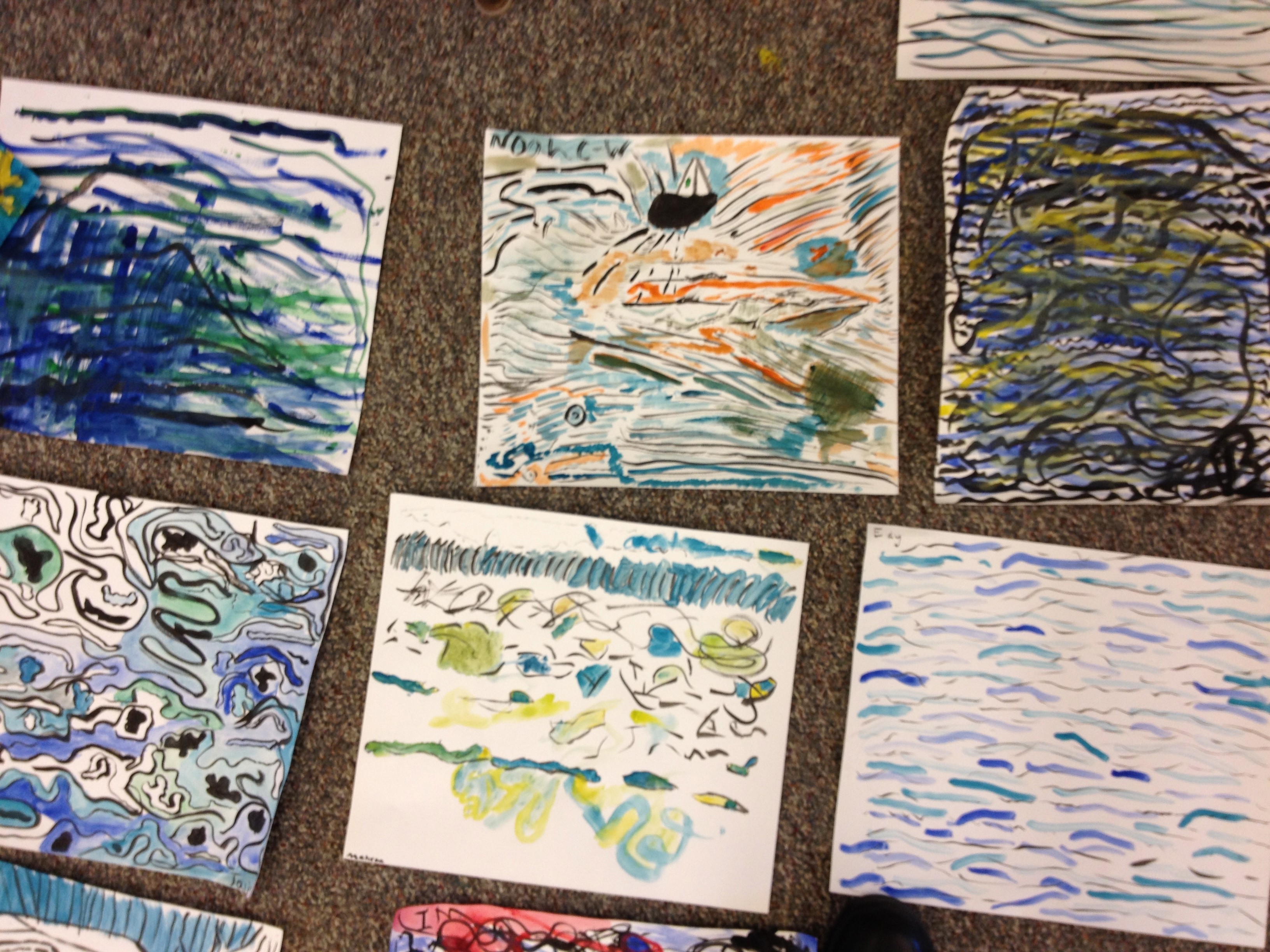
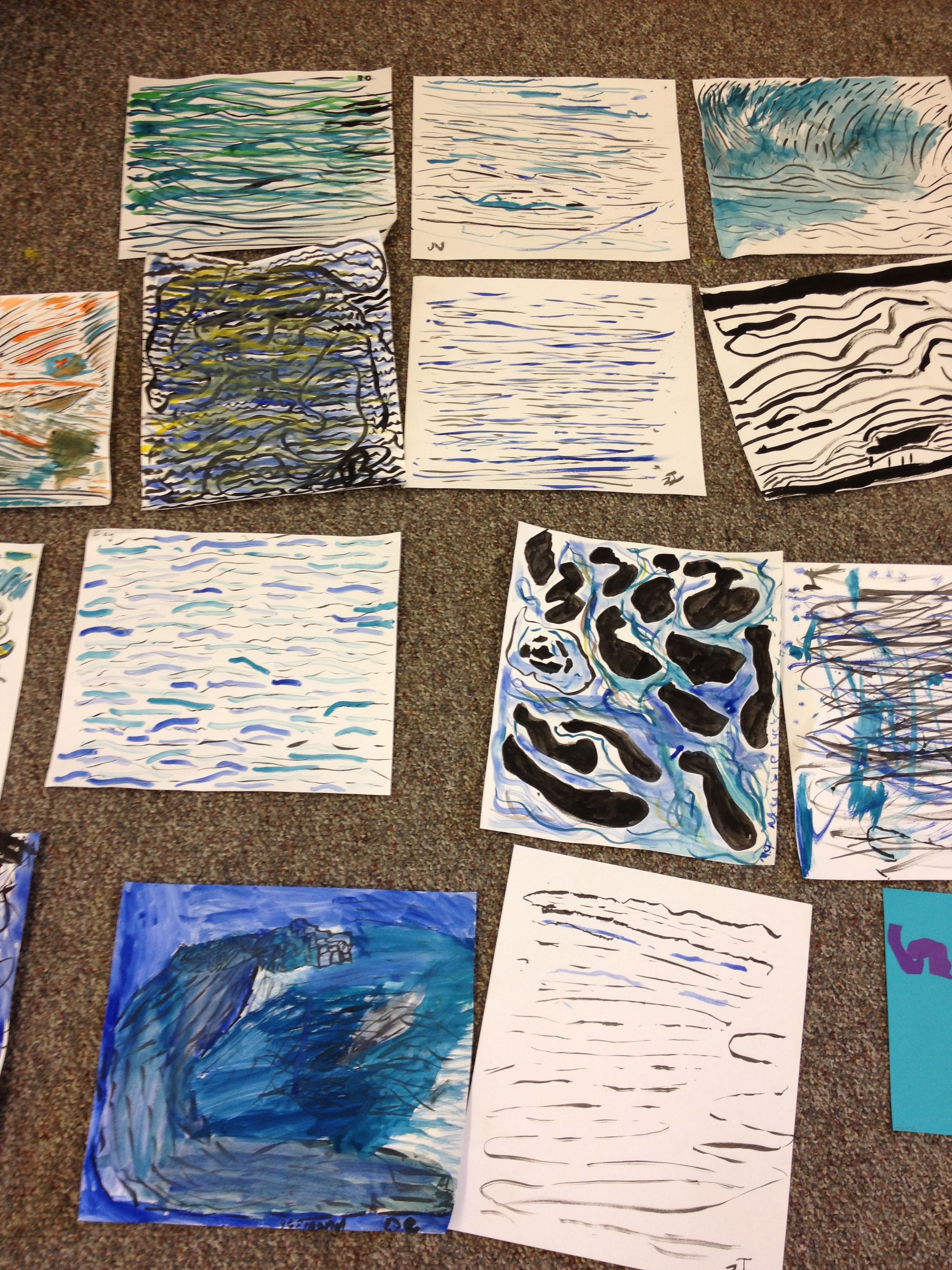
Students created water paintings using only black ink to begin. They looked carefully at the shapes of water using photographs they had taken on a field trip to the Mill River in Northampton. As their images developed, students were invited to add one or two colors into their exploratory paintings.

water cut-out 02 water cut-out 01

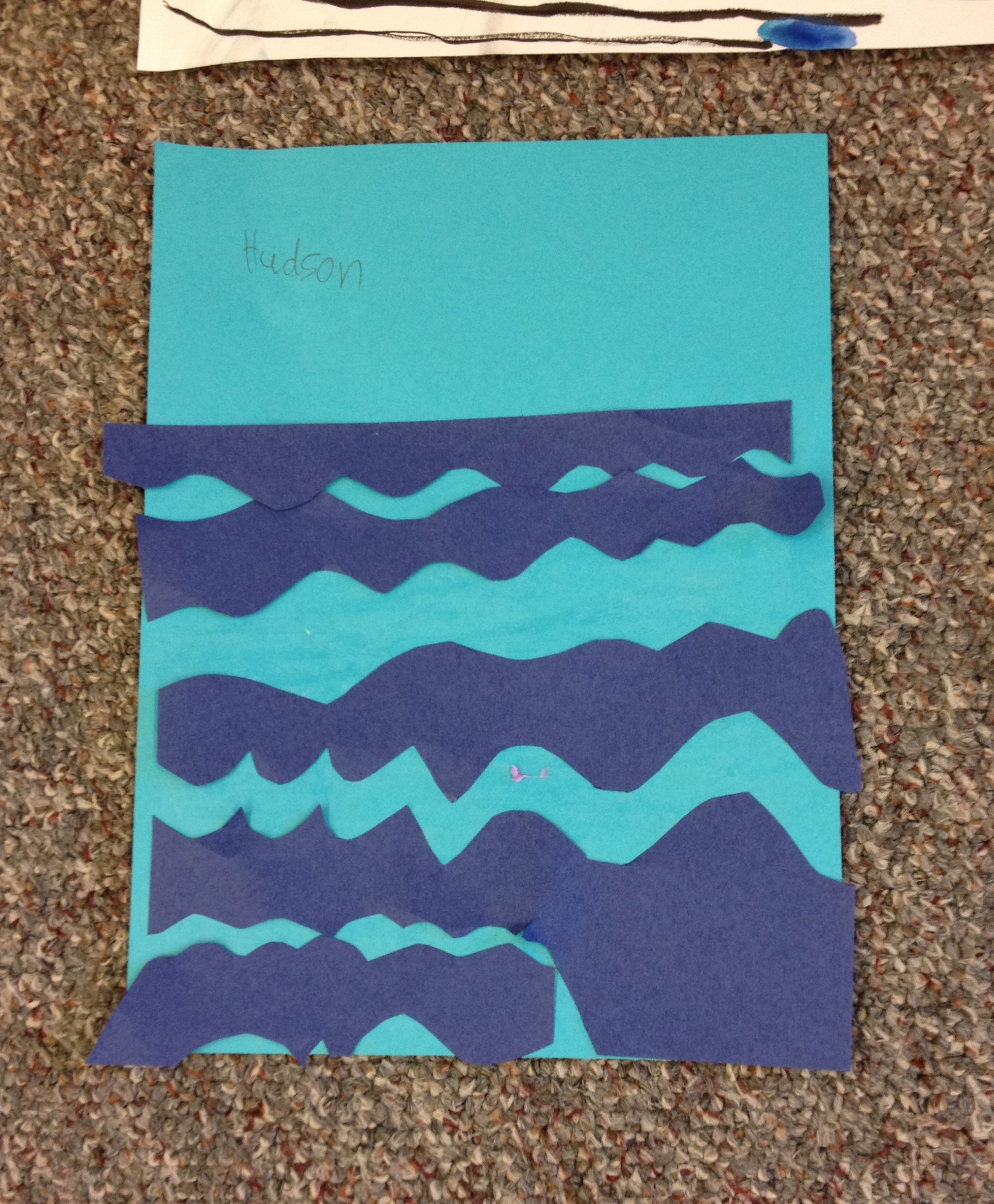
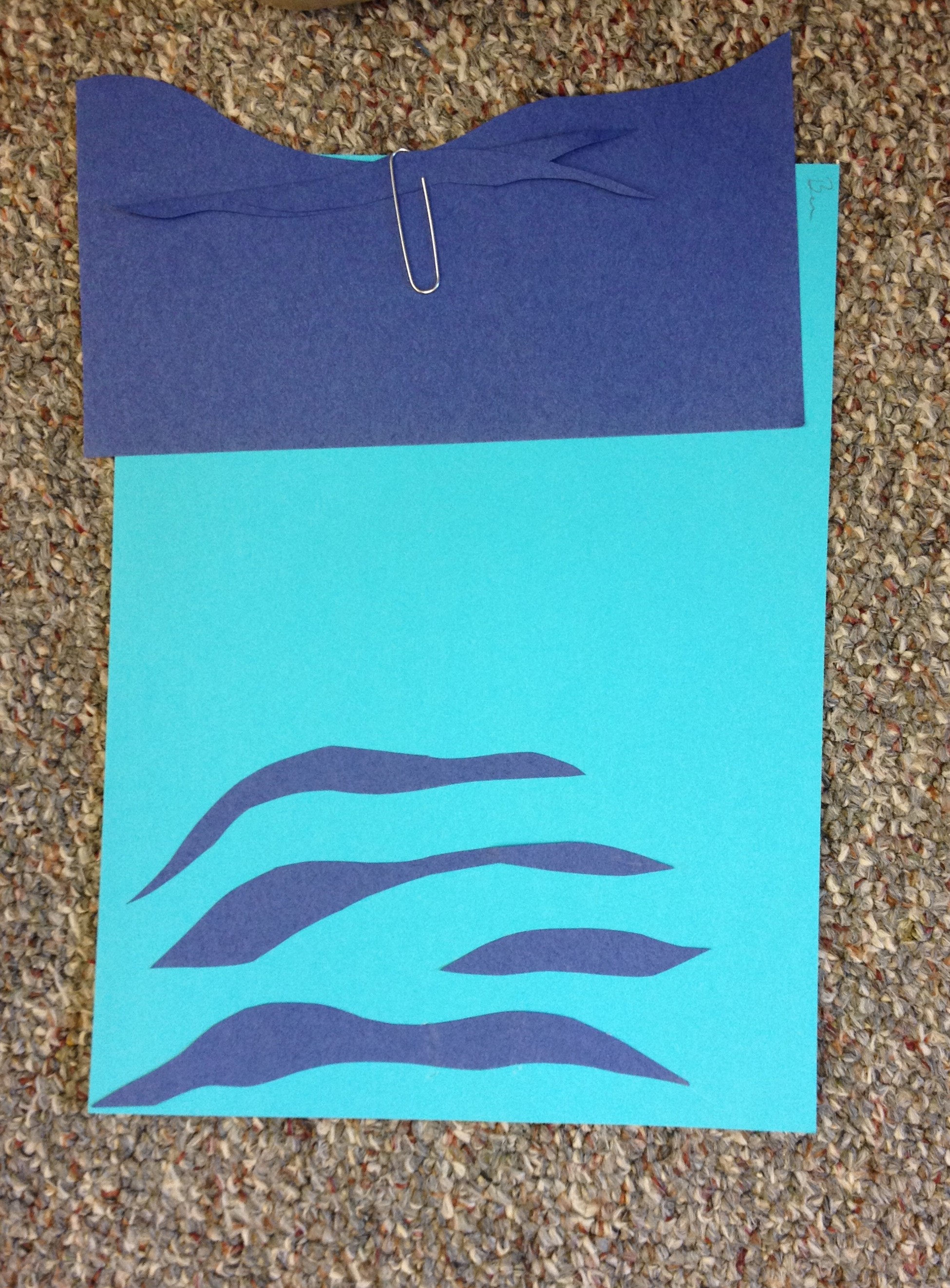
Students looked at paper cuts by Matisse and water paintings by David Hockney before creating their own paper cut-outs of water shapes. Students were encouraged to used all the positive and negative shapes they cut out to create movement and layers of water.

drawings for print

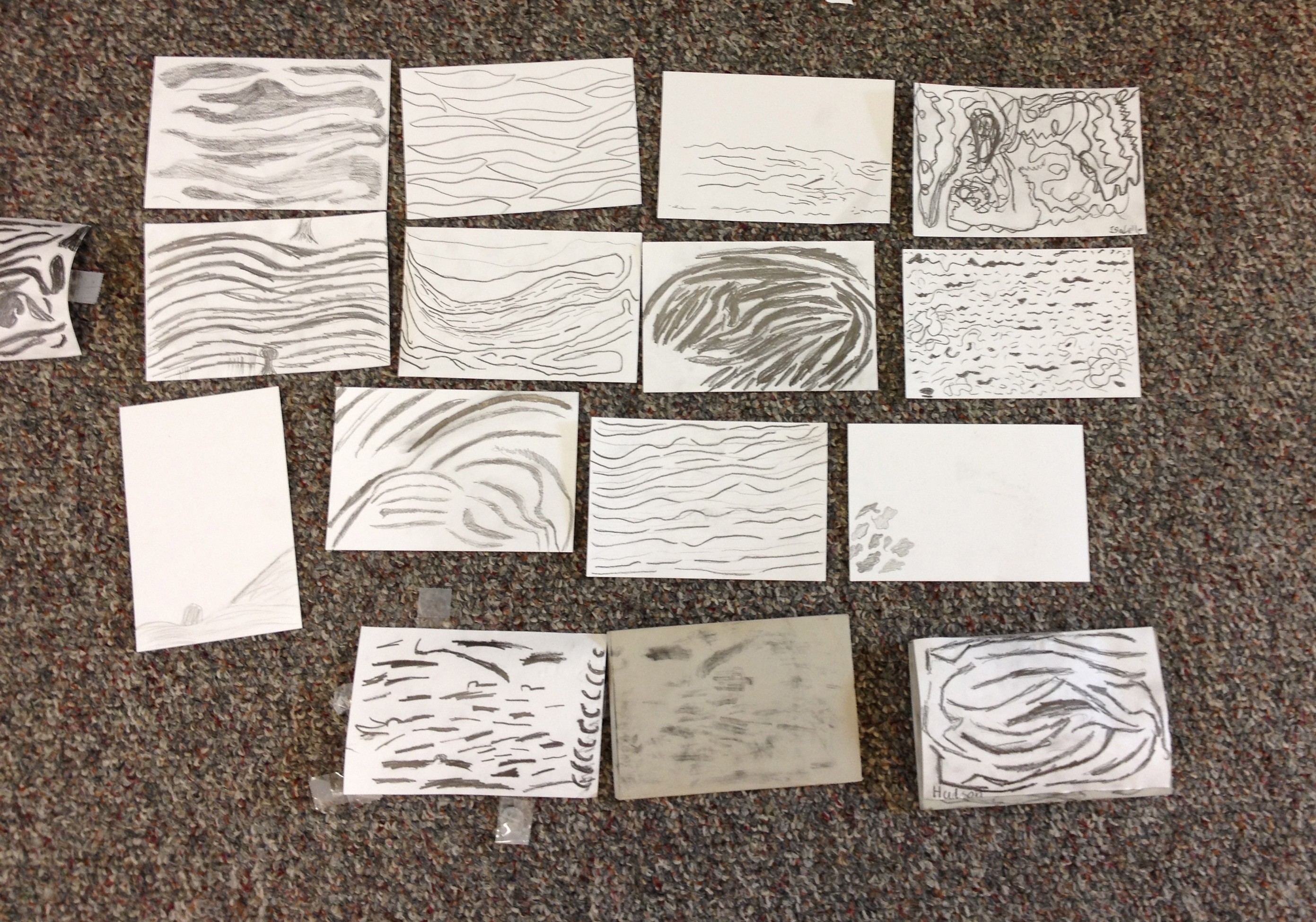
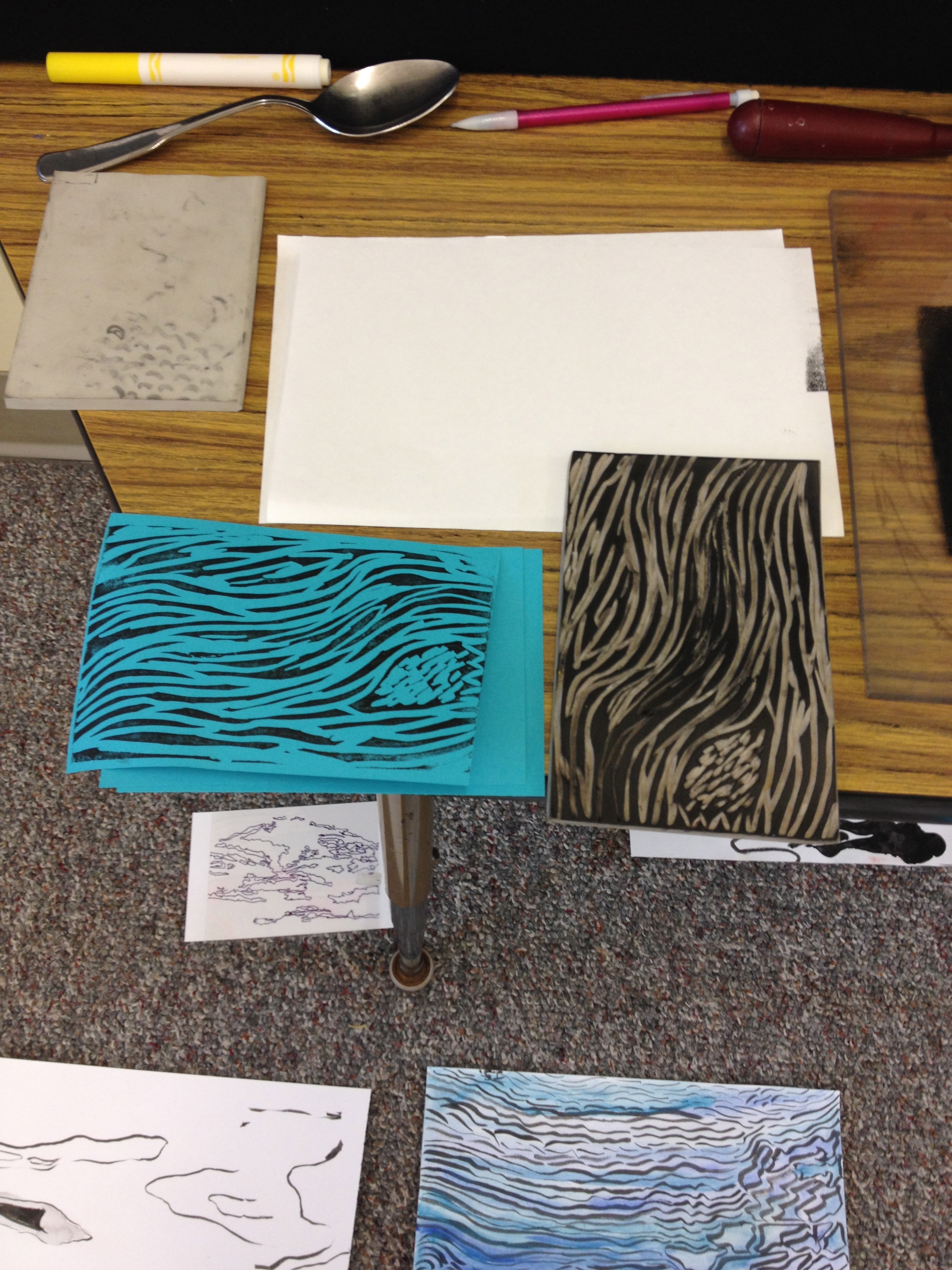
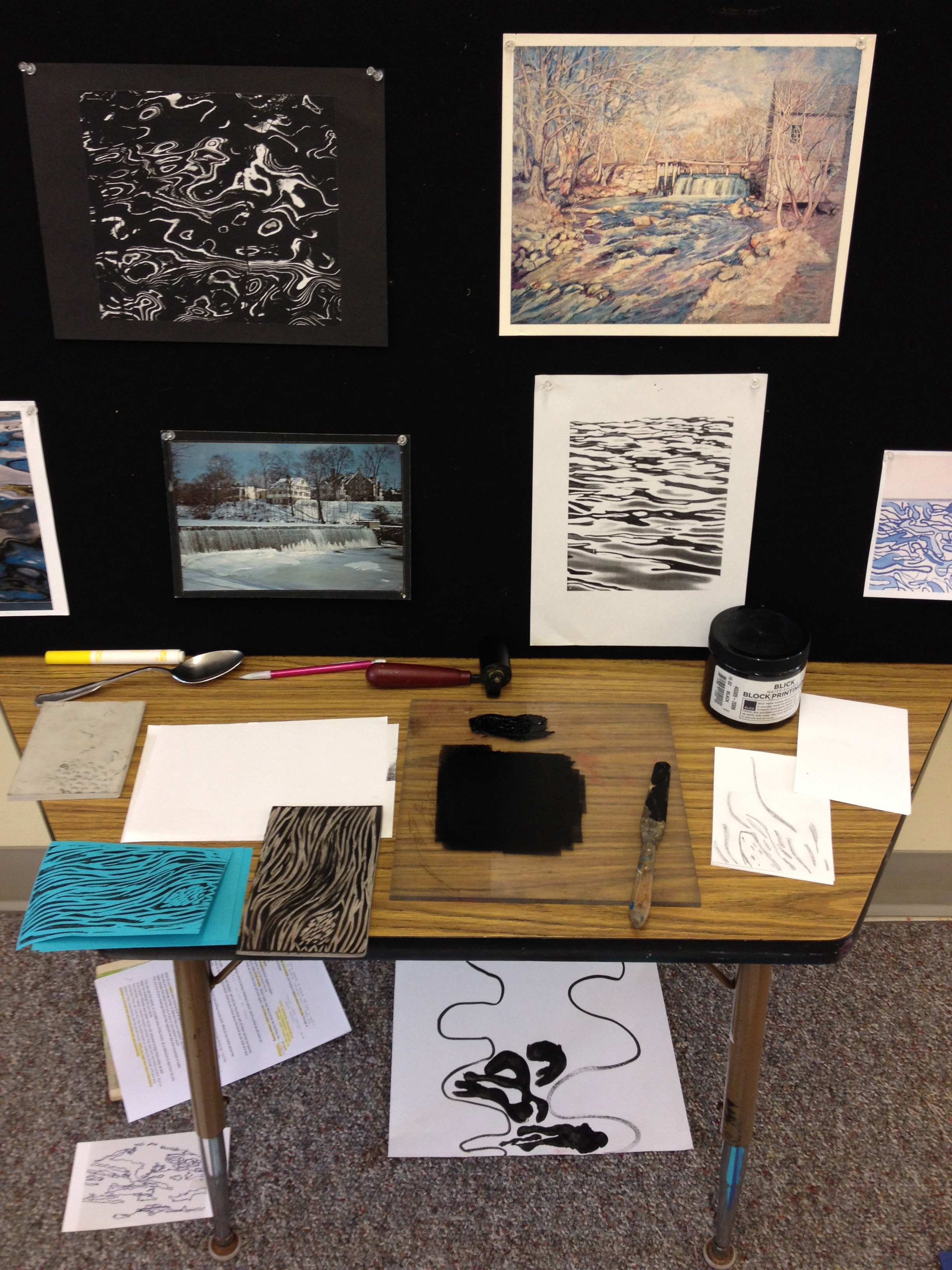
Finally, students created sketches for easy-cut prints which they carved and printed on blue paper. The class experimented with layering prints and creating their own flowing river by connecting their prints in a long string of currents.

water print demo print set-up


Text and photos by Elena Betke-Brunswick
Edited by Allyson Ciccarone and Carol Berner


Water Cycle: First Grade Experiments and Ideas

Reminder!  Sign up now for Water Inquiry Teacher Group July 1 Workshop.
E-mail cberner@smith.edu

How does a first grade teacher engage children in learning about the water cycle?

Heading to Jackson Street School, water inquiry team member Hannah Searles observed Katy Butler’s first grade class and their initial explorations into the water cycle. Ms. Butler sparked students’ interest through reading, class conversations, singing and fun experiments surrounding the water cycle. The exploration culminated in a creative writing assignment, where students combined imagination and acquired knowledge to narrate the life cycle of a water droplet. Examining both components of this inquiry allows us to recognize areas of student interest and opportunities for further avenues of exploration.

Engaging student’s imagination and building foundations

To begin, the class read the picture book All the Water in the World is All the Water in the World by George Ella Lyon. This beautifully illustrated book introduces the idea of the water cycle and water’s ability to travel all around the world in various forms. Hearing that they were drinking the same water the Vikings did was extremely exciting for the students!


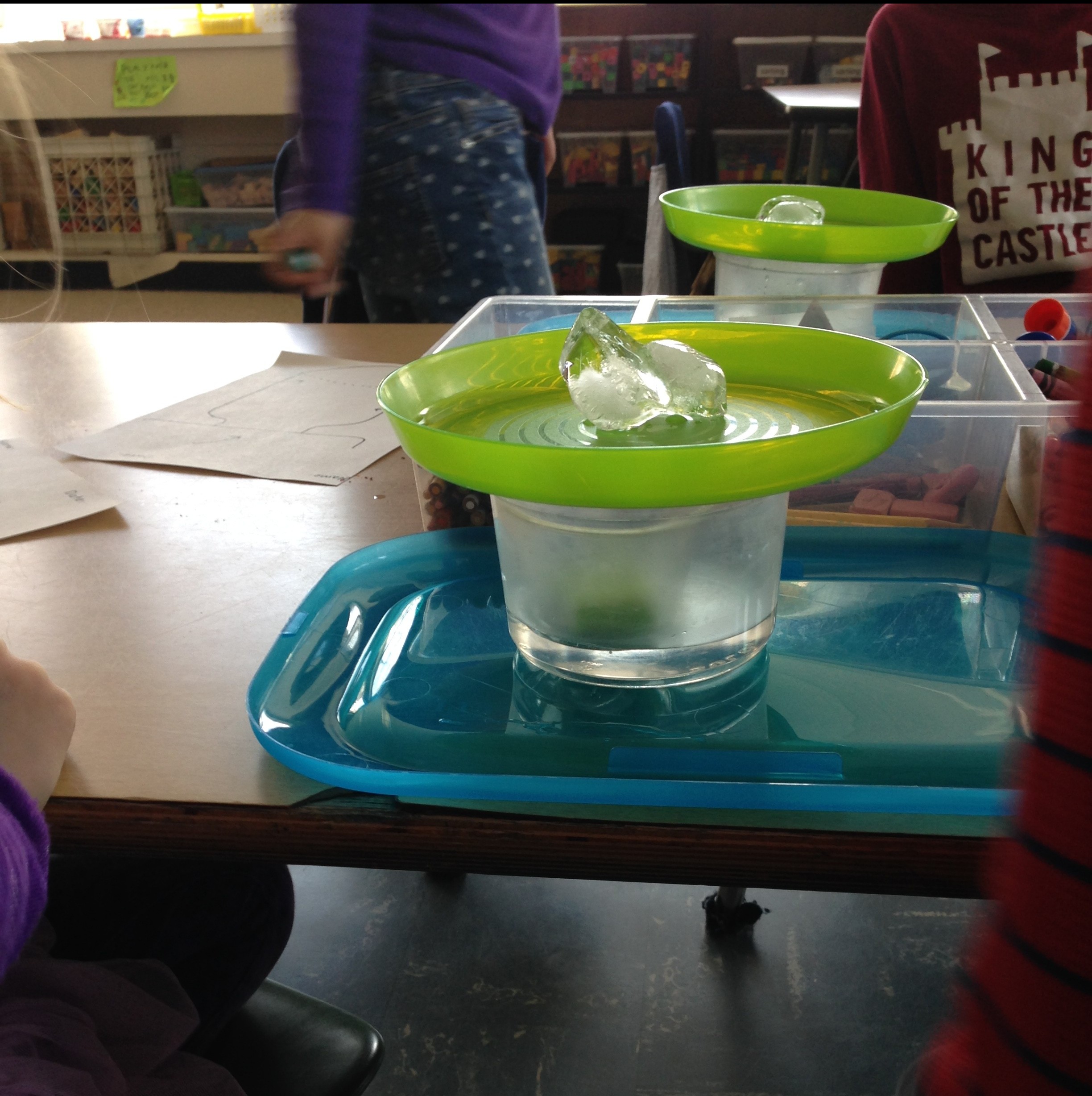
To observe the water cycle in action, the students conducted a simple experiment, involving two plastic cups, a sponge, water and a plate. The larger plastic cup represented the world, while the smaller cup with the sponge in it was the land. The warm water inside was the ocean, and the plate with the ice on top of it was the clouds. The goal of the experiment was to see if the sponge would get wet – if it did, it meant that it had rained. The warm water in combination with the cold plate caused condensation, which then dripped onto the sponge.

Students recorded their observations and got a chance to see for themselves what the water cycle looks like. Click here to download the lesson.

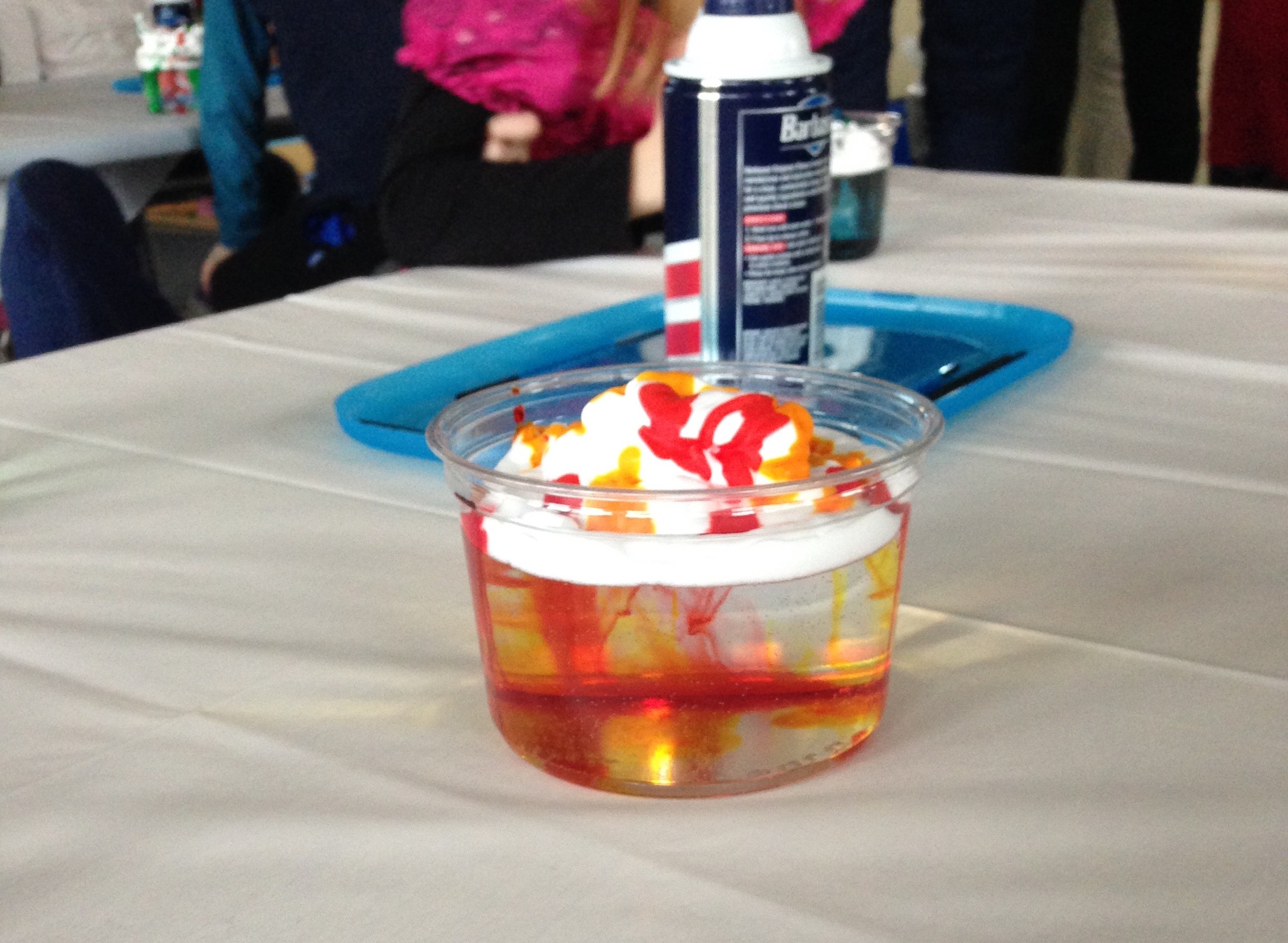
Students also participated in an artistic activity displaying the water cycle. Using shaving cream, food coloring, and a plastic cup of water, the class simulated a rainstorm. This project gets a little messy, so it’s helpful to have grownups in charge of the shaving cream and food coloring.

FullSizeRender(1)

The water in the cup represented the air in the atmosphere, and the shaving cream sitting on top of it was a cloud. When food coloring poured onto the shaving cream, it “rained” from the cloud and into the water, creating beautiful patterns that let students see what precipitation looks like.

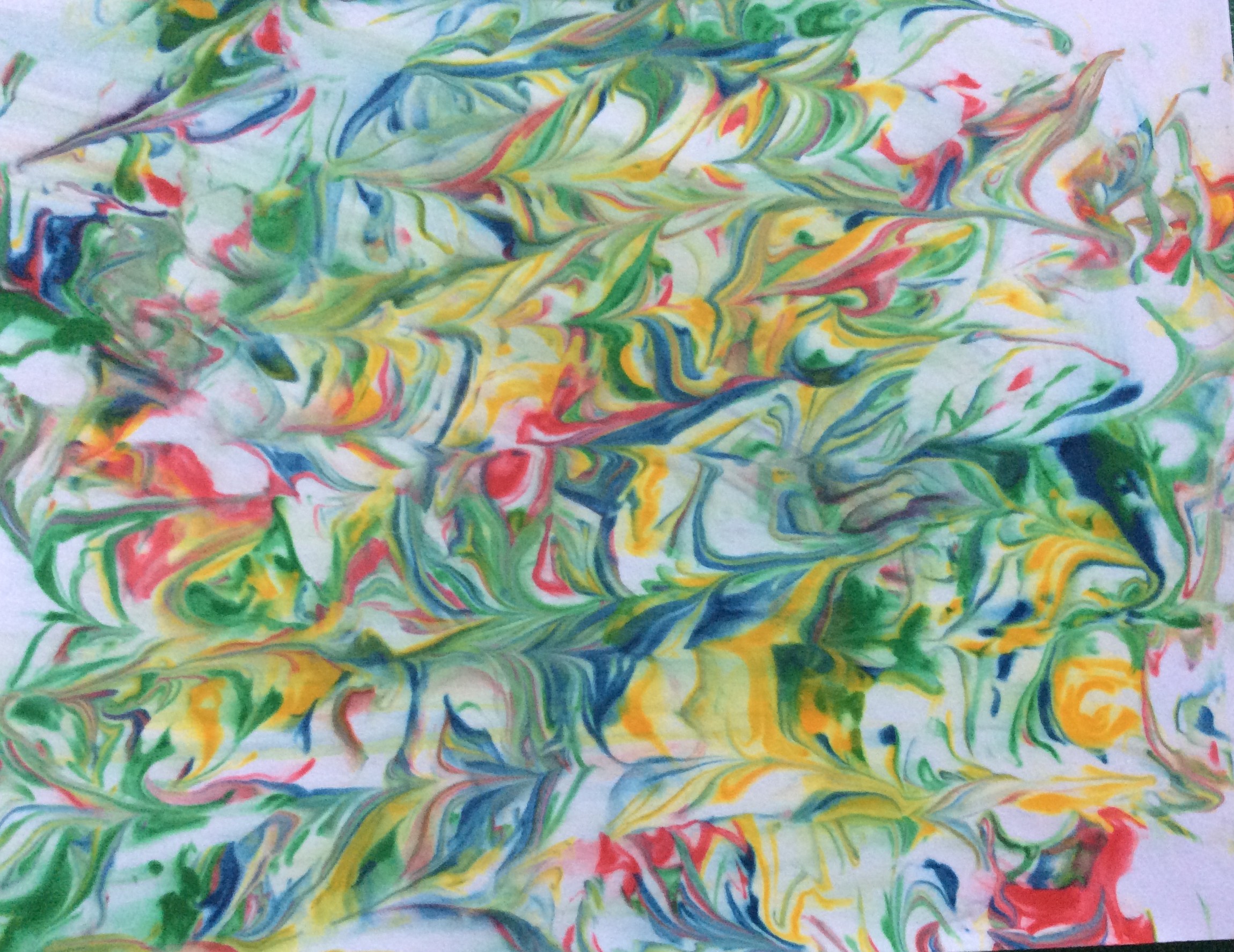
Then, using a plastic straw, the students swirled the shaving cream around and pressed pieces of paper on top, creating beautiful marbled art. This activity let students think both scientifically and creatively.  Click here to download the lesson.

photo 2

How do first graders explain and imagine the water cycle?

Dear Droplet
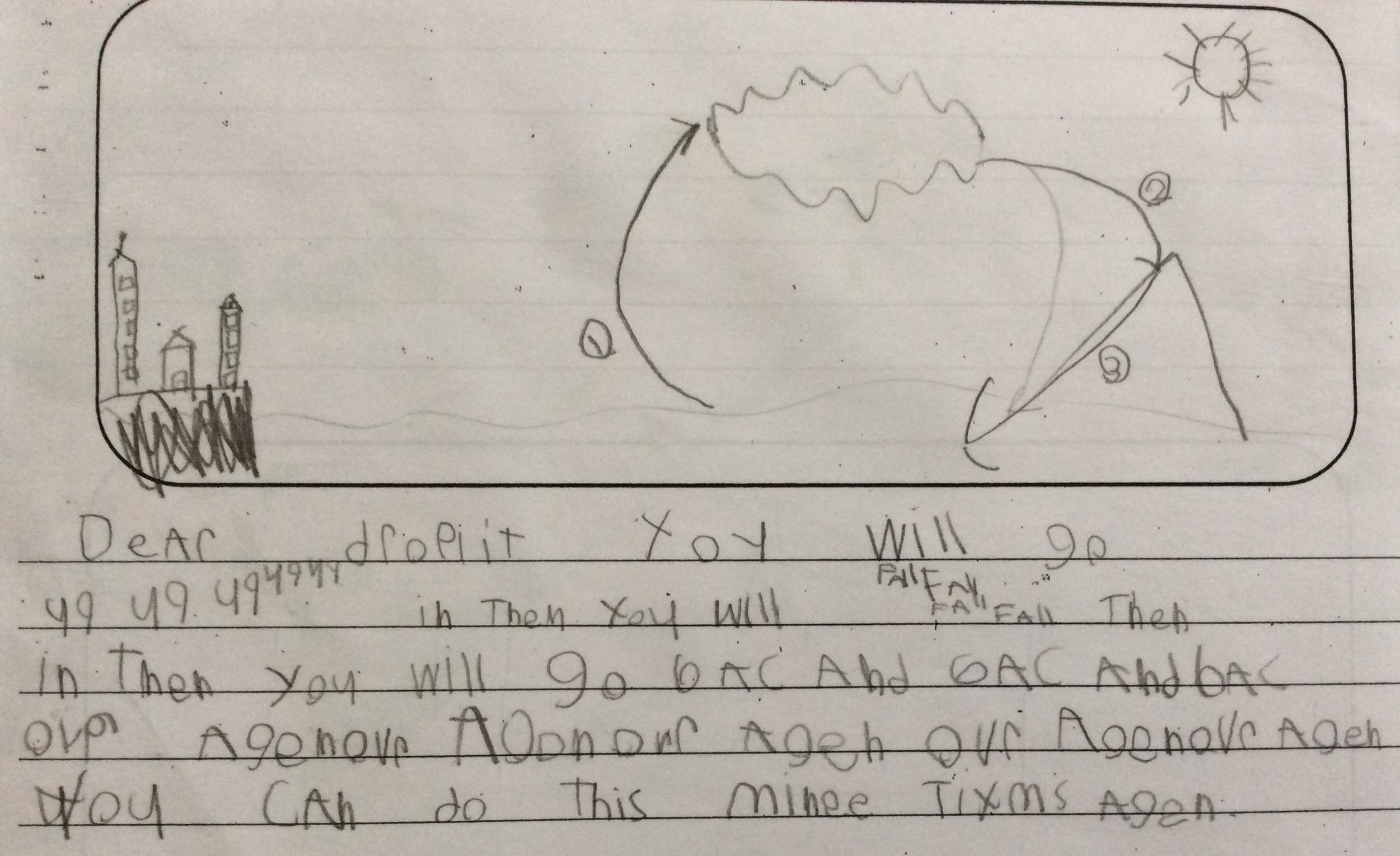
Dear droplet you will go up up up up up then you will fall fall fall fall then you will go back and back and back over again over again over again over again you can do this many times again.

To assess student understanding, Ms. Butler asked students to write to a water droplet using pictures and words to explain the water cycle:  “Today you will write a postcard to a water droplet. You will tell the water droplet what will happen to it during its life cycle. You can use words like first, next, then and finally. You get to choose where your water droplet starts in the cycle!” The children’s work reveals interesting patterns, questions, and areas for further inquiry.

Motion and repetition are recurring themes highlighted in children’s drawings and text. The postcard pictured above is a salient example of how children repeat words and symbols multiple times to show their understanding of the water cycle.  Up, fall, again are the most frequently repeated words.  Water drops, clouds and arrows (always shown clockwise) are the most frequently repeated visual images.

Water cycle vocabulary words appear in most of the postcards, more often in the written text than in the drawings. Although there is some variation in the order, most children choose to show or write the terms in the sequence: precipitation, condensation, evaporation.  It’s interesting to think about the connection between the children’s use of water cycle vocabulary words and their ideas about motion, repetition, and what they can observe in the world around them.

Visual elements in drawings include (in order of frequency): clouds, rain drops, water, arrows, buildings, ocean and topography (mountains/hills). Anomalies (each appearing in only one drawing) include: the sun, lightning, volcano, and a viking beard.

The imaginative prompt “Dear Droplet” activates children’s imagination and curiosity:

  • “What is like to go all around the world?”
  • “You will have a blast.”
  • “You might get drinkt and that somebody might be me. You’re probably Viking beard water.”

Children’s questions and theories about how water travels around the water cycle point to further possibilities for inquiry and investigation:

  • “You will go around the world.”
  • “You will start in the ocean… end up in the same place.”
  • “Dear water droplet where are you?
    Are you in New York?…
    Are you in Northampton?
    Are you in Greece?”

Areas for further inquiry emerge from what’s featured and what’s missing in the first graders’ explanations.  For example, the infrequent appearance of the the sun (only once), rivers, lakes and groundwater suggest new questions to investigate:

  • What does the sun have to do with the water cycle? 
  • How does water travel to the ocean?
  • Can we SEE the water cycle? Where? Why or why not? – This could lead to a schoolyard scavenger hunt -style investigation over several weeks looking for evidence of precipitation, evaporation, and condensation.

Join the conversation
These activities are just snapshots of some of the ongoing water studies that teachers are doing with their students. What are you doing with your students? What seems exciting about water to them?

Blog post by Hannah Searles, Ally Ciccarone, and Carol Berner