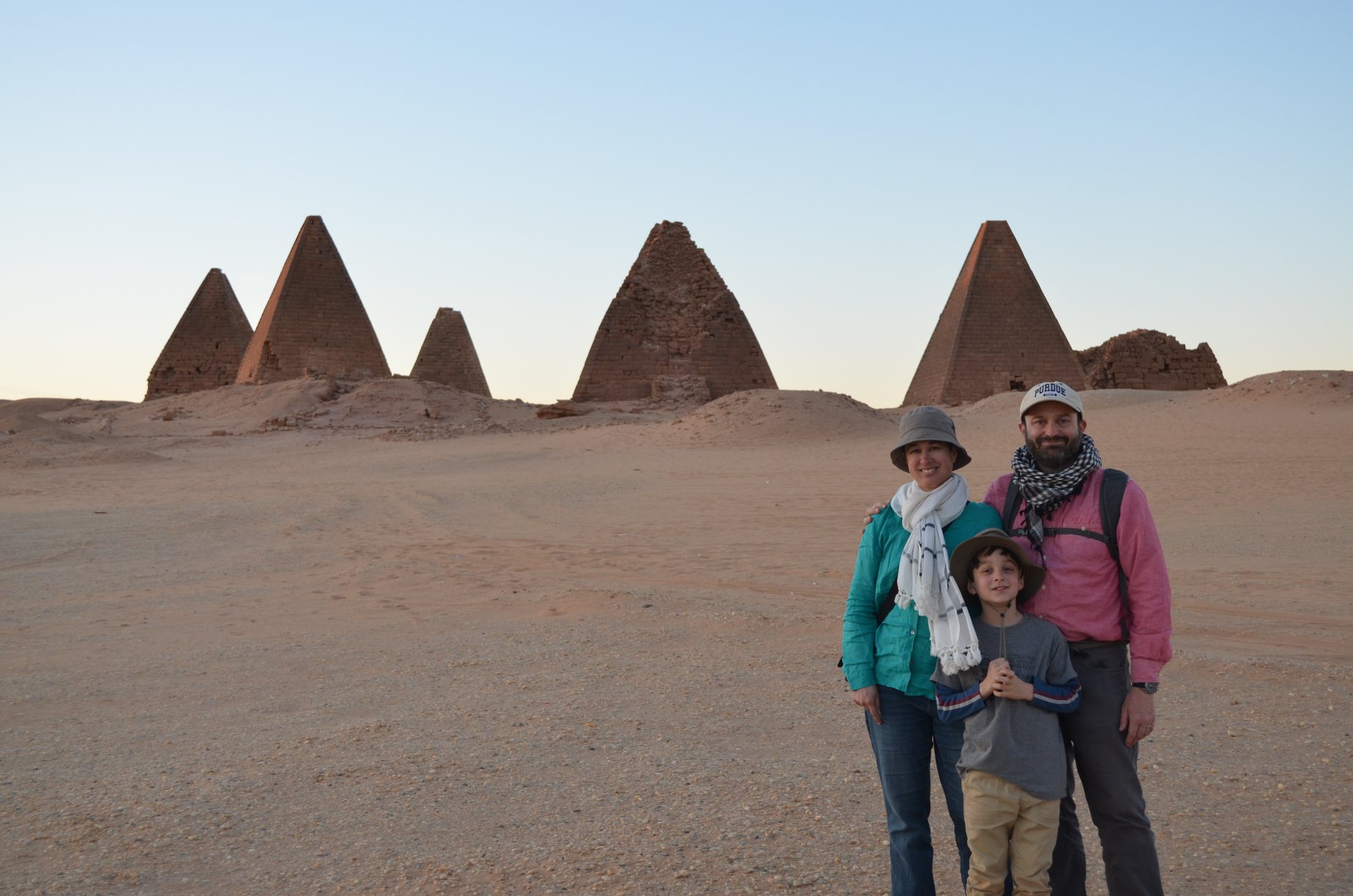
“What’s really important about bioarchaeology is that it is the window into the past for most people who existed — because while historical records do exist, they don’t exist for everyone. And when they do exist, they’re written by a select few. This is really our glimpse at people in the past who have no voice otherwise.”
This is Purdue Interview, 2023
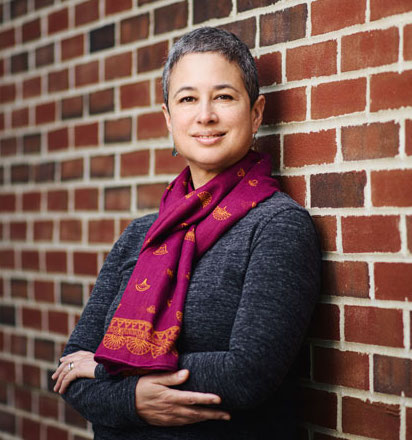
Professor Michele Buzon is a bioarchaeologist whose research focus is the Nile Valley of present-day Sudan (ancient Nubia and Egypt). She is primarily interested in the study of culture-contact and how mortuary and skeletal data can provide insights into interactions between different populations in the past. Since 2000, Prof. Buzon has been co-directing an international, interdisciplinary research team at the site of Tombos and most of her work on health and identity has focused on the New Kingdom and Napatan periods.
According to Prof. Buzon’s personal website, she began her study of anthropology as an undergraduate at Loyola University in Chicago and then completed her M.A. and Ph.D. at the University of California, Santa Barbara. Her dissertation project “A Bioarchaeological Perspective on State Formation in the Nile Valley,” was followed up with a two-year Postdoctoral Fellowship, “Strontium Isotope Analysis of Migration in the Nile Valley.” She then started her academic position at Purdue University, where she has mentored many graduate students and teaches classes on human evolution and variation, Ancient Egypt, osteology, mortuary practices and identity. She was recently featured in a Purdue University podcast, which covers diverse topics about her experiences living and working in Sudan, the highlights of training students, what is means to bring your kid to the field, and some of her proudest accomplishments.
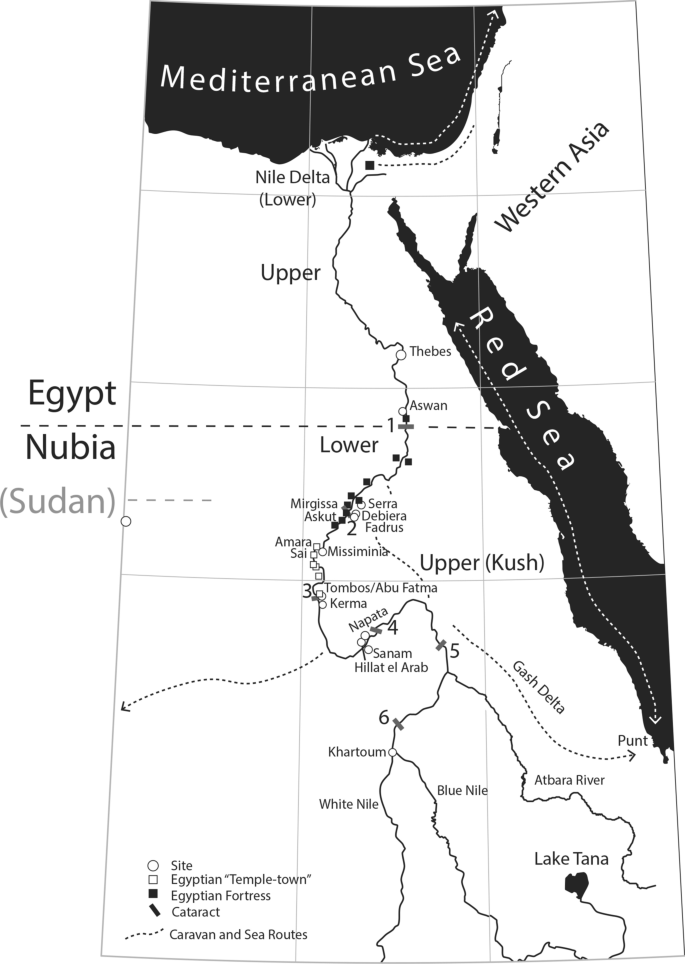
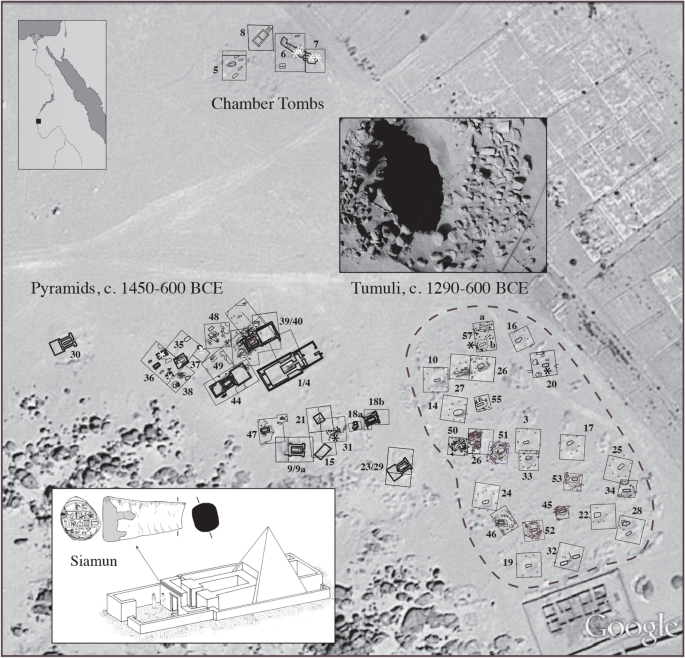
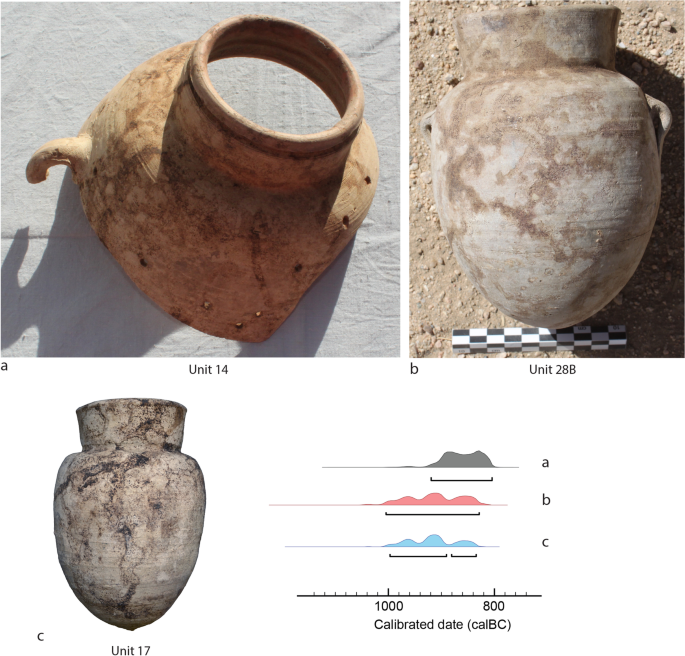
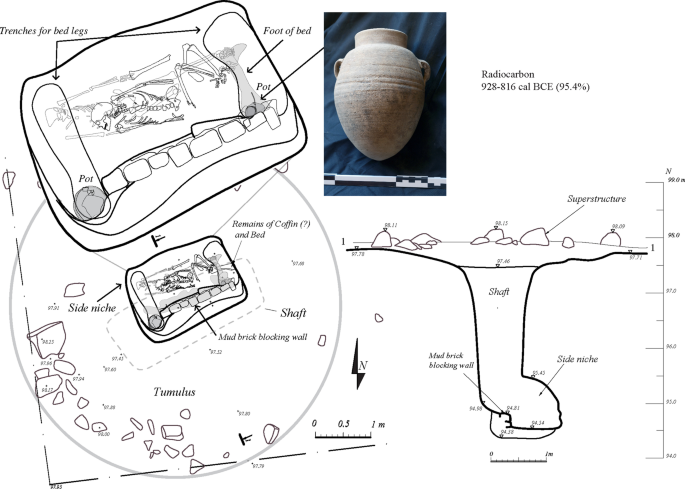
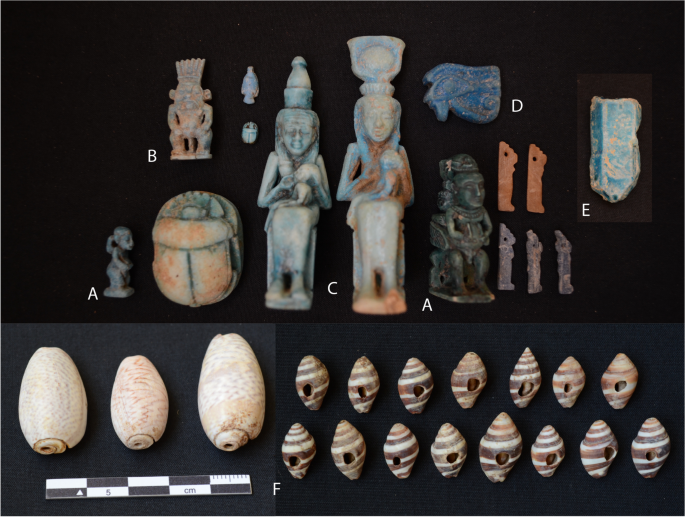
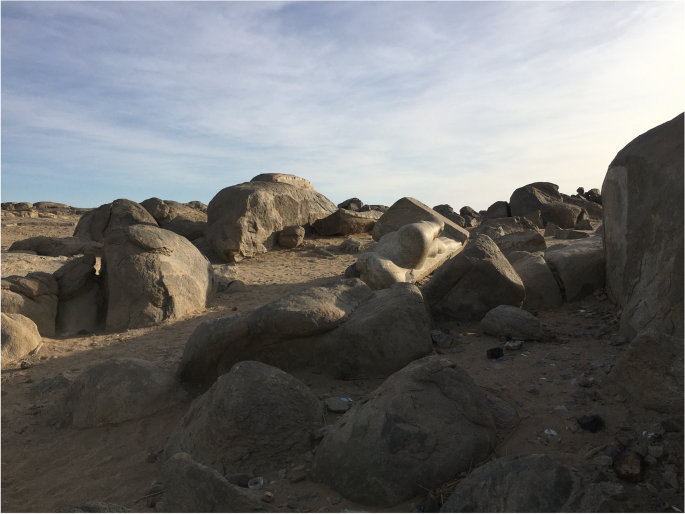
Research Images: Buzon, M.R., Smith, S.T. Tumuli at Tombos: Innovation, Tradition, and Variability in Nubia during the Early Napatan Period. Afr Archaeol Rev 40, 621–646 (2023). https://doi.org/10.1007/s10437-023-09524-x
Why is Professor Buzon a TrowelBlazer?!
In addition to her many publications, major grants, and other professional accomplishments, Prof. Buzon is committed to “changing institutional infrastructure” and “rededicating archaeological practice to collective learning and capacity building1” through her work in Sudan and the US. She is an active member and treasurer of the American Sudanese Archaeological Research Center (AmSARC), which promotes ethical international collaborations, training and mentoring for Sudanese students, local community involvement in and benefits from all research projects, making data accessible through publications and presentions in Arabic, and long-term conservation of archaeological objects and sites. As part of these efforts, Prof. Buzon has also taught bioarchaeological training sessions for students and colleagues in Sudan. The work of AmSARC has become even more important in supporting Sudanese scholars and protecting cultural resources since the Civil War began April 2023.
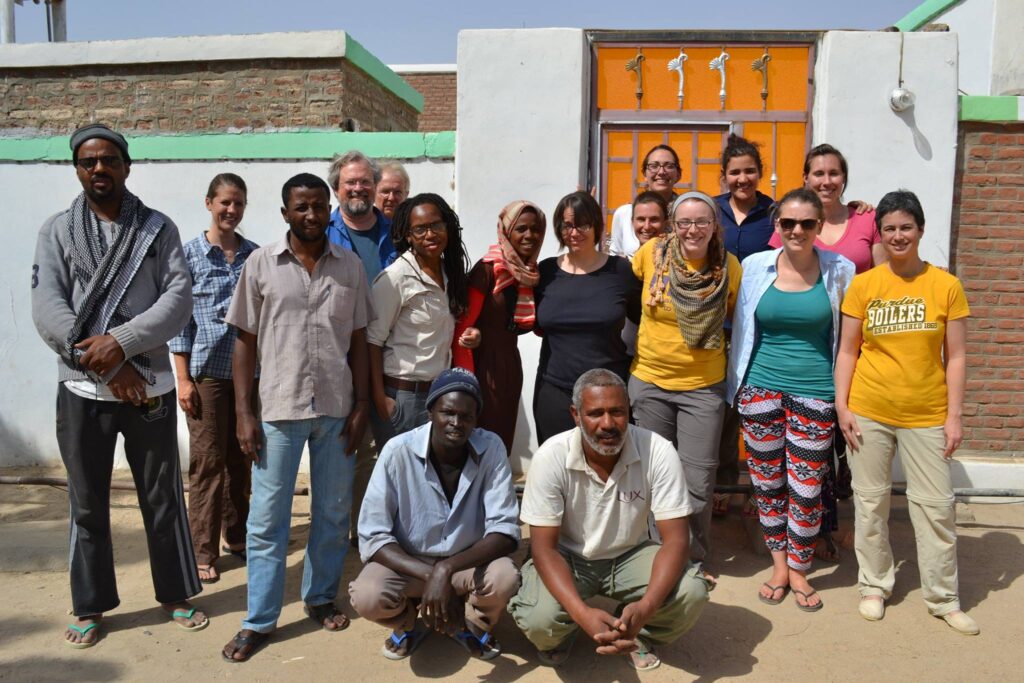
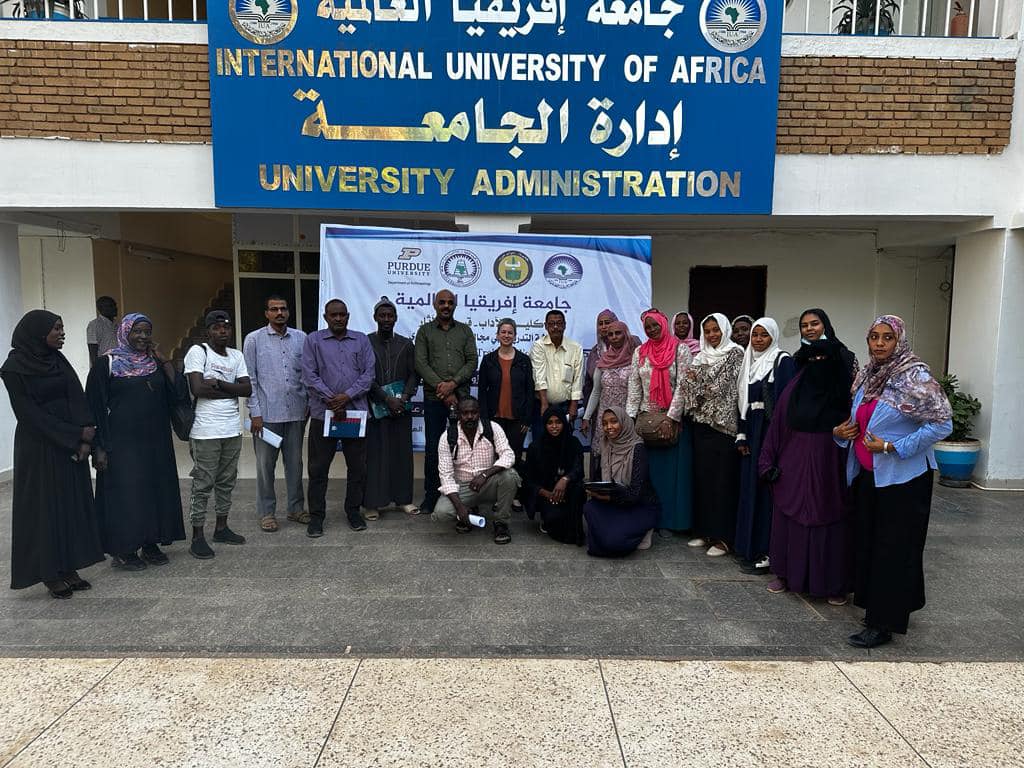
The Tombos Archaeological Project has been actively engaged in community outreach and collaboration– here are some examples of local posters developed by the project– and in pursuing explicitly decolonial and anti-racist research questions. These local and national initiatives are highlighted on the Blog of the Tombos Archaeological Site and in the Sapiens article, Reinterpreting Life and Death in Ancient Nubia, by Prof. Buzon (2022). She has also presented public-facing webinars of her research for the Islamic Medical Association of North America and other interested organizations.
It is rare to find a scholar who is so productive in their research agenda, dedicated to teaching and mentorship, and truly values their role as a public intellectual and community collaborator like Prof. Buzon– she is a bioarchaeologist TrowelBlazer!
Publications
Professor Buzon has highlighted the following 5 publications as most representative of the diversity of her research interests:
2022 Buzon MR, Marshall J. “Countering the racist scholarship of morphological research in Nubia: Centering the ‘people’ in the past and present.” Journal of Ancient Egyptian Interconnections 35:2-18.
2022 Buzon MR. “Archaeological site along the Nile opens a window on the Nubian civilization that flourished in ancient Sudan,” The Conversation [April 12, 2022].
2019 Schrader SA, Buzon MR, Corcoran L, Simonetti A. “Intraregional 87Sr/86Sr Variation in Nubia: New Insights from the Third Cataract.” Journal of Archaeological Science Reports 24:373-379.
2016 Buzon MR, Smith ST, Simonetti A. “Entanglement and the Formation of Ancient Nubian Napatan State.” American Anthropologist 118:284-300.
2013 Buzon MR, Simonetti A. “Strontium isotope (87Sr/86Sr) variability in the Nile Valley: Identifying residential mobility during ancient Egyptian and Nubian sociopolitical changes in the New Kingdom and Napatan periods.” American Journal of Physical Anthropology 151:1-9.
For More Reading:
Photo Credits:
- Profile photo (Purdue University) & Prof. Buzon’s Facebook page
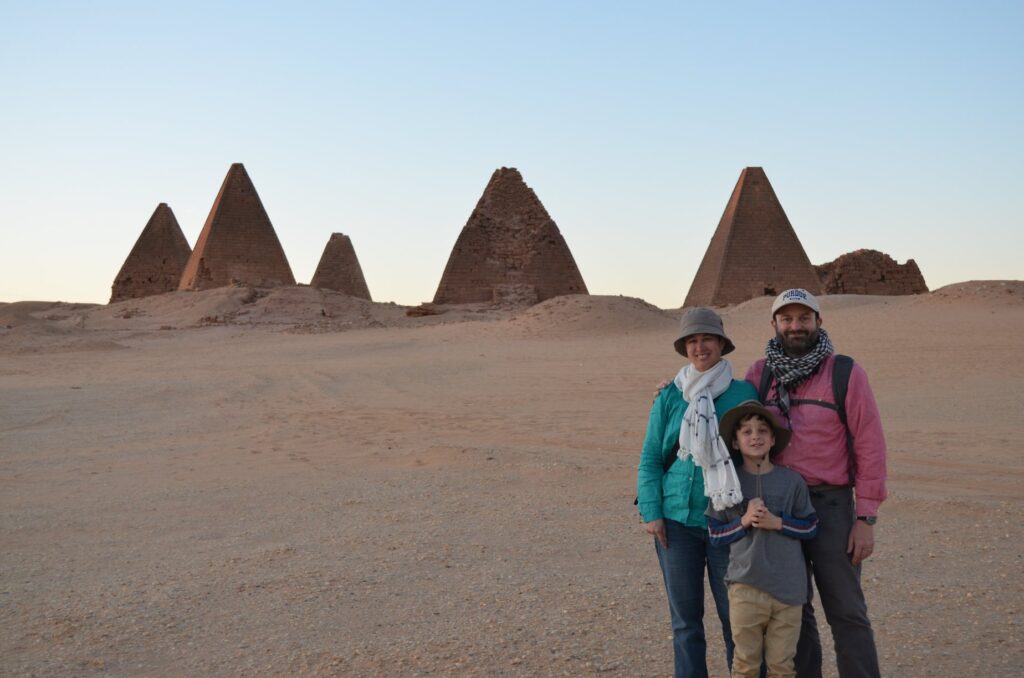
- How dusty is working in Sudan??? (it is windy!)
- Transforming Archaeology : Activist Practices and Prospects, edited by Sonya Atalay, et al., Taylor & Francis Group, 2014. ProQuest Ebook Central, https://ebookcentral.proquest.com/lib/smith/detail.action?docID=1689435. ↩︎