Gabas Yagoub, Jhadia Saenz, Evelyn Ray, Amaia Mayberry, Nat Christman
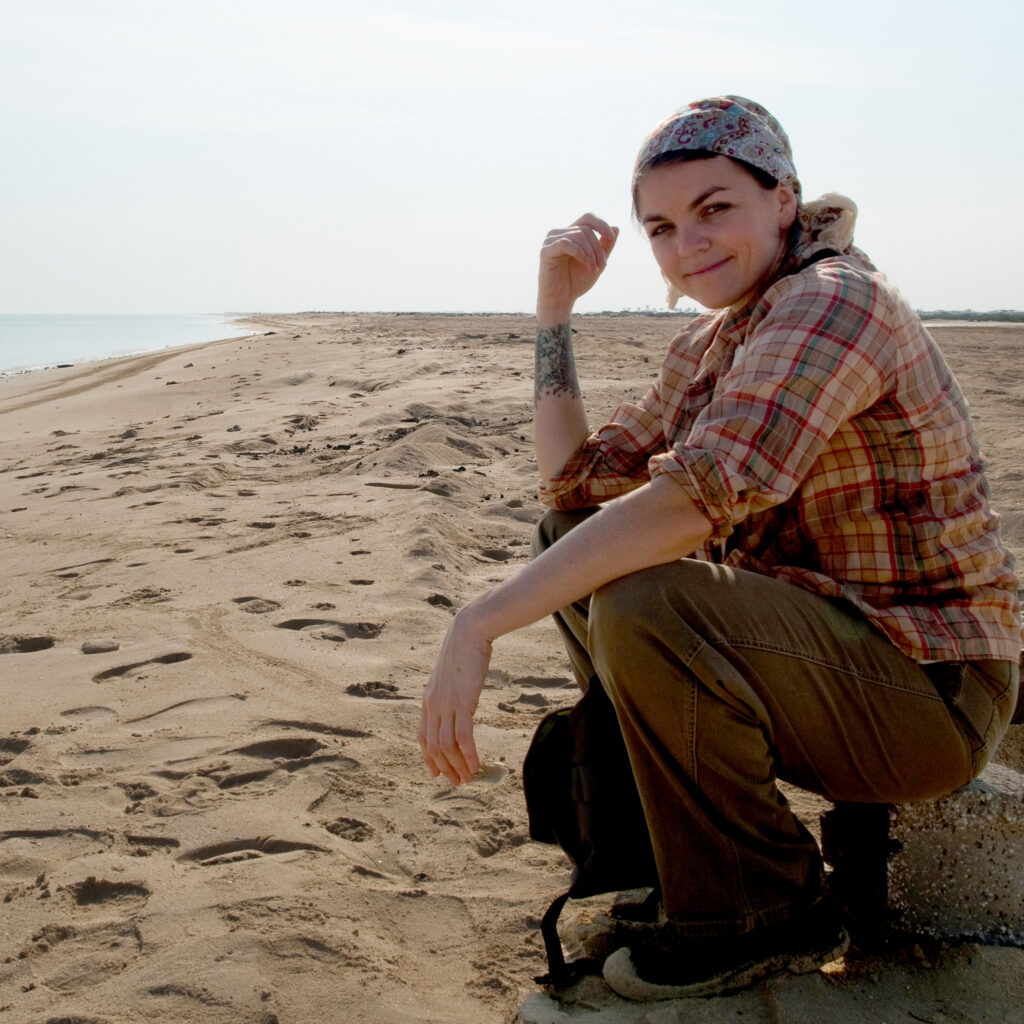
“A better archaeology is a participatory, multivocal, craft-based archaeology that recognizes the value of both dirt and digital archaeologists. Using digital media to highlight inequity, to bring the voices of stakeholders into relief, to de-center interpretations, and to make things and share them is a gift to archaeology, and a threat, and a promise.”
— Colleen Morgan, The Conclusion of Conclusions
Background
Dr. Colleen Morgan is a leading scholar in critical digital archaeology. A UC Berkeley PhD graduate and former Marie Curie Experienced Researcher, her work incorporates critical theories into the newly-emerging field of digital archaeology, including anarchist, feminist, queer, and posthumanist approaches. Focused primarily on digital embodiment, such as creating “avatars” from bioarchaeological data, Morgan directs the Digital Archaeology and Heritage Lab at the University of York, where she is also the Senior Lecturer in Digital Archaeology and Heritage.
Beyond conducting archaeological fieldwork in the Arabian Gulf, where she directs archaeological excavations at the Hili Archaeological Park, a UNESCO World Heritage site, and the United Kingdom, Morgan also serves as a Co-Investigator on projects such as The Avebury Papers, a project to develop, explore, and digitize the multimedia archive of Avebury’s Neolithic history, and the Aide Memoire Project, which conducted a survey and a series of observational studies in field recording and artifact illustration to research the impact and implications of the ongoing trend of replacing hand drawing with digital recordings in archaeology. Morgan has authored over 25 peer-reviewed papers, delivered five keynote lectures, contributed to films and exhibitions, and created multiple different kinds of virtual worlds.
On her blog, Middle Savagery, which is widely regarded as a significant platform in archaeological blogging, she also blogs… very occasionally*.
*A quote from her blog.

What makes her a TrowelBlazer?
Dr. Morgan’s work exemplifies a deep commitment to innovation, inclusivity, and collaboration in archaeology, making her a noteworthy TrowelBlazer. Her undergraduate research was highly regarded for exploring the interactions between Iron Age Japanese culture, feminism, and materiality, demonstrating her capacity for innovative and interdisciplinary thinking early on.
She is considered a pioneer for her archeological findings in digital media. During her PhD at Berkeley, she investigated digital media and archeology, specifically through objective biographies, with guidance from TrowelBlazing mentors Meg Conkey and Ruth Trigham. Dr. Morgan’s work has led to digital innovation and experimentation; exploring how technology and digital methods impact archeological practices, publishing on topics like photography, film, locational technologies, and punk/anarchist approaches in archeology.
One of her notable projects includes leading the UKRI-AHRC-funded OTHER EYES project, which aims to create 3D digital avatars of past people using Roman-era skeletons excavated in York. She is also part of the TETRARCHS project, which aims to broaden access to archeological data to not only other archeologists but also artists, teachers, policy makers, and others.
Publications
Drawing Your Cellphone
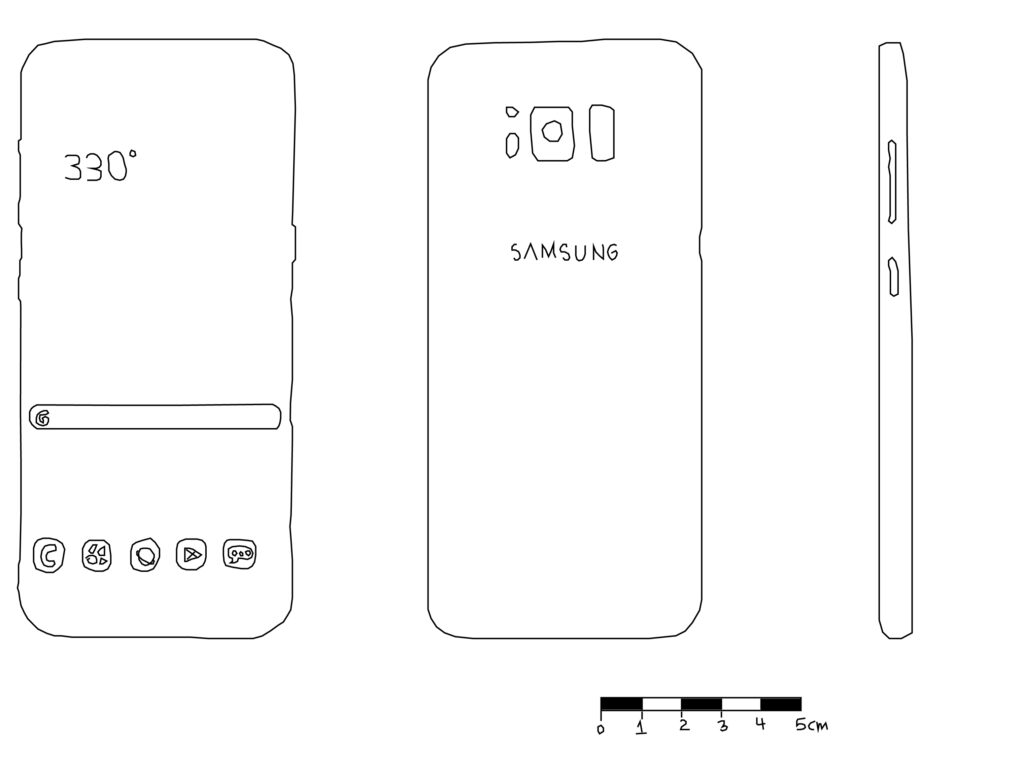
Colleen Morgan’s publication, Drawing Your Cellphone, was used to emphasize the importance of archeological illustration in an increasingly digital age. In her experiment, she had students with some archeological illustrative experience draw their phones and recorded data on their knowledge about their phones before and after. She was able to use this survey data to exemplify how archeological illustration (as oppose to digital methods) is necessary to increase understanding of an object/artifact. It also brought to light the idea of our phones as personal, modern artifacts and mobile homes that can be taken as archeological sites within themselves.
Current Digital Archaeology
This Morgan publication focused on examining the ongoing shift in perceptions and uses of digital archaeology and the four themes within the discipline, which are craft and embodiment, materiality, the uncanny, and ethics, politics, and accessibility. Morgan uses a combination of the wide range of practices of others as well as her own findings from projects like the Aide Memorial to investigate and explain how digital archaeology and digitizing certain aspects of the field can best be completed in order to revolutionize the practice and allow new ways of thought and analysis, especially pertaining to post-humanist interpretations.
Archaeology and VR
This publication focused on evaluating the use of virtual technologies for rebuilding archeological sites and the role that archologists should play in that process. She stated that the process and act of building within virtual worlds is important because it requires the archaeologist to approach artifacts, architecture, and the landscape from a different perspective. Second, accuracy is not especially important when building these virtual worlds as the focus should be on the process of making these virtual worlds rather than the resulting build. Third, avatars are important as they allow archeologist to consider more details about the daily life of past people, such as their clothing.
Future Ghosts: Avatars, Bioarchaeology, and Interstitial Anxieties
Dr. Morgan explores how technologies like virtual and augmented reality (VR/AR) can enhance archaeological interpretations by creating immersive, embodied representations of past human experiences. In this publication, she emphasizes the integration of bioarchaeological data to highlight individual agency and lived experiences while addressing ethical concerns regarding the respectful and accurate depiction of historical figures. Dr. Morgan also discusses the transformative potential of these technologies for understanding identity and experience in the past, advocating for their responsible and mindful use in archaeology. The publication employs a mix of literature reviews, case studies, theoretical frameworks, and ethical analysis.
Avatars, Monsters, and Machines: A Cyborg Archaeology
Dr. Morgan, drawing on earlier conjectures by Diane Gifford-Gonzalez and Donna Haraway that artistic representations of archaeological concepts are ‘science fiction’ in the sense of blurring the lines of truth and fact, argues for a responsibility to thoroughly interrogate how digital tools represent past humans. She calls for an intentional feminist and non-anthropocentric engagement with digital tools such as virtual avatars, explaining how thoughtful usage can push the boundaries of methodical analysis and blend the past with the present. Dr. Morgan discusses various projects and programs engaged in this work, such as the capability of simulated worlds populated by user-controlled avatars to experience the chaos and life often absent from imagined past terrains. She also discusses the potential for technology to explore the ‘uncanny valley’ and human conceptualizations of the ‘monstrous’ through a queer, nonconformist lens. The publication is a literature review utilized to explain and support cyborg archaeology as an ethically-centered approach to methods of study and understanding in the modern digital archaeological landscape.
Sources
2009 Morgan, Colleen. “(Re)building Çatalhöyük: Changing Virtual Reality in Archaeology.” Archaeologies. 5(3): 468-487.
2014 Morgan, Colleen. “Avatars, Bioarchaeology, and Interstitial Anxieties. Archaeological Dialogues.
2019 Morgan, Colleen. “Avatars, Monsters, and Machines: A Cyborg Archaeology. European Journal of Archaeology. 22(3): 324-337.
2022 Morgan, Colleen. “Current Digital Archaeology.” Annual Review of Anthropology. 51: 213-231
2023 Morgan, Colleen. “Teaching and Learning the Archaeology of the Contemporary Era: Draw Your Phone: The Cellphone as an Intimate.” Everyday Artefact. Middle Savagery.
Photo Credits
- Profile photo: Hakai Magazine
- “Drawing Your Cellphone”: Middle Savagery
- Project photo:Guest Blog: Dr Colleen Morgan and the OTHER EYES Project; York Archaeology