Dr. Erica Rowan
by Sabrina Adams, Oslo Crowley, Rachel Hitchen, Marissa Todd
“Classical-period archaeobotanical research has not yet reached its full potential, and despite facing some internal and external issues, we envision a bright future for both archaeobotanical and classical archaeological research with a greater degree of communication and collaboration between the two fields.”
Erica Rowan and Lisa Lodwick, “Archaeobotanical Research in Classical Archaeology,” 2022

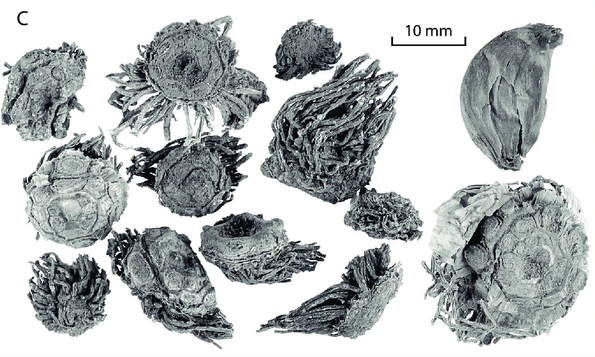
Dr. Erica Rowan is a distinguished Classical archaeologist whose research centers on environmental archaeology and archaeobotany, with a particular emphasis on ancient Roman foodways and their role in shaping cultural identities. Her work explores how the study of food remains, alongside traditional textual evidence and material culture, can deepen our understanding of globalization and the evolution of cultural practice throughout ancient Roman history. She is also dedicated to integrating sensory archaeology into her research, shedding light on how ancient societies experienced food and its broader social significance.
Dr. Rowan earned a B.A. in Classics and a B.Sc. in Health Sciences from McMaster University in Canada, followed by an M.St. in Classical Archaeology and a D.Phil. in Archaeology from the University of Oxford. She is currently a Senior Lecturer in Classical Archaeology in the Department of Classics at Royal Holloway at the University of London.
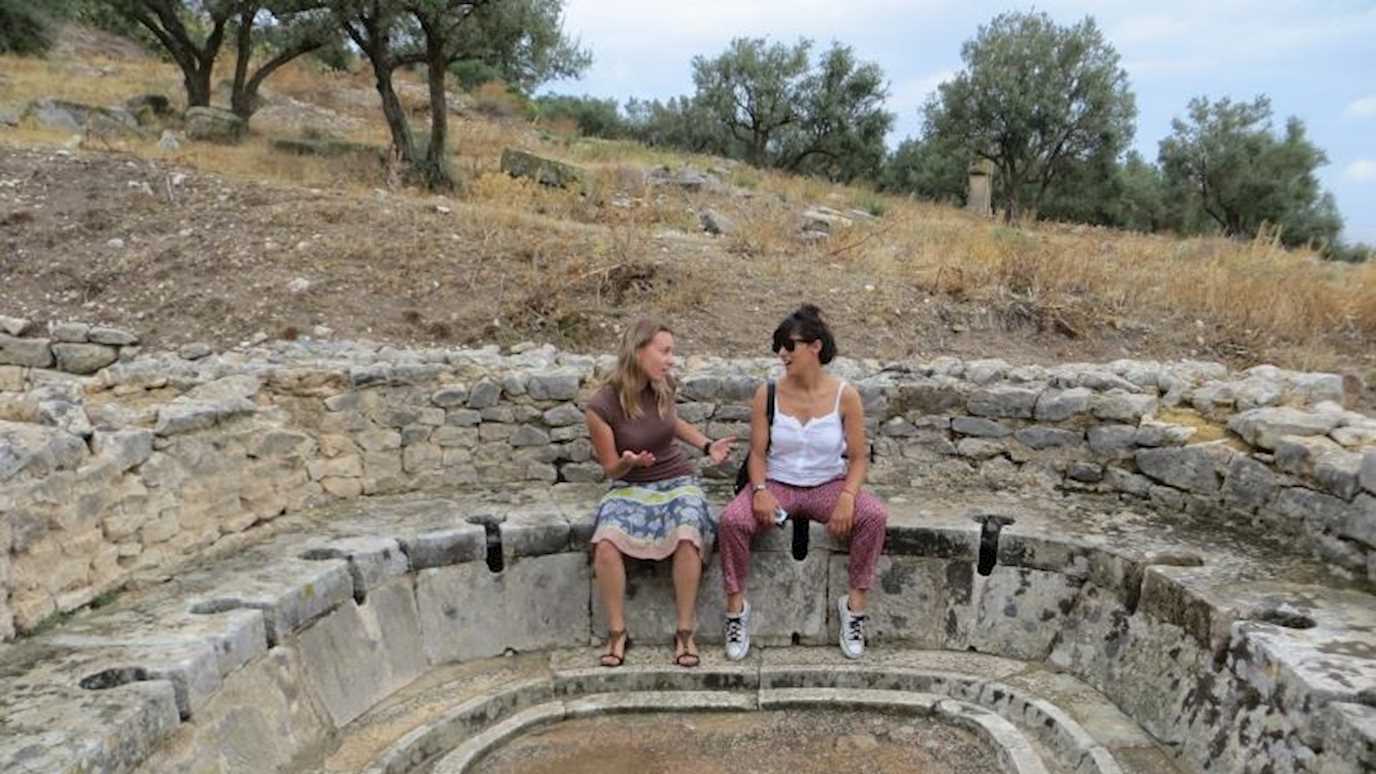
Throughout her career, Dr. Rowan has served as the environmental specialist on numerous excavations, including significant sites such as Utica, Aphrodisias, Sardis, Orvieto, and the Villa d’Orazio in Vacone. Her research at these sites spans a wide chronological range, from the 7th c. BCE to 12th c. AD, with a focus on archaeobotanical evidence that illuminates the relationship between the inhabitants and their environments. In addition to her fieldwork, Dr. Rowan is an active contributor to the scholarly community, having done peer-review and editorial work for various journals, such as British Archaeological Reports, American Journal of Archaeology, Environmental Archaeology, and most recently Archaeology of Food and Foodways. She has also participated and assisted in the organization of several conferences and events, including “Unpalatable, Inedible and Indigestible: Exploring Boundaries, Constructs and Communities in Human Food Practices” in 2021 and currently the Center for Connectivity in the Roman World.
Current Projects
Erica Rowan has two notable projects that she has worked on, one being sustainable food practices in Turkey. The project on sustainable food ways in Turkey was a collaboration project between her, Professor Christina Luke (based at Koç University, Istanbul), Kaymakçı Archaeological Project, and the Archaeological Exploration of Sardis. This project ran for 24 months with the end goal being to find and articulate solutions to two food challenges that Turkey was/is currently facing; avoiding losing traditional cultural food practices and knowledge and finding solutions to keep traditional foodways while simultaneously modernizing.
Dr. Rowan looks at ancient food systems and modern practices in Turkey to find solutions for these challenges. At the end of this project, she hosted many workshops over the course of the project, later this archaeobotanical research lead to the development of a museum exhibition in Istanbul and the publication of an open access cookbook. This project gained a total of £62,532 in funding from the Arts & Humanities Res Council of AHRC and is working with the UN sustainable development goals 11 and 12. A project she is currently working on is focused on sustainable cattle rearing, although there is not much currently available information on the project, likely it is looking at ancient cattle rearing to the Anthropocene(modern times). She was recently awarded £80,000 in a research grant for this project.
Why is Erica Rowan a TrowelBlazer?
In her work as a lecturer and archaeologist Erica Rowan has made great strides in enhancing understanding of and reconstructing the nature, spread, and globalization of ancient diets and food waste, largely with regards to Roman culture. Via her global on-site work ranging from places such as Turkey to Italy, Rowan has expanded conversations of ancient consumption practices by focusing in part on everyday, non-elite diets in antiquity in order to reveal the broader impacts of diets, the economies of production, and the use of alternative food sources. When asked about the most memorable revelations she had when digging through sewage-material at a Roman site, Rowan herself notes “the Diversity of their diet,” speaking to the sheer amount of possibilities her work and focus on diets of the past has in terms of what it can reveal about how the people of antiquity experienced life.
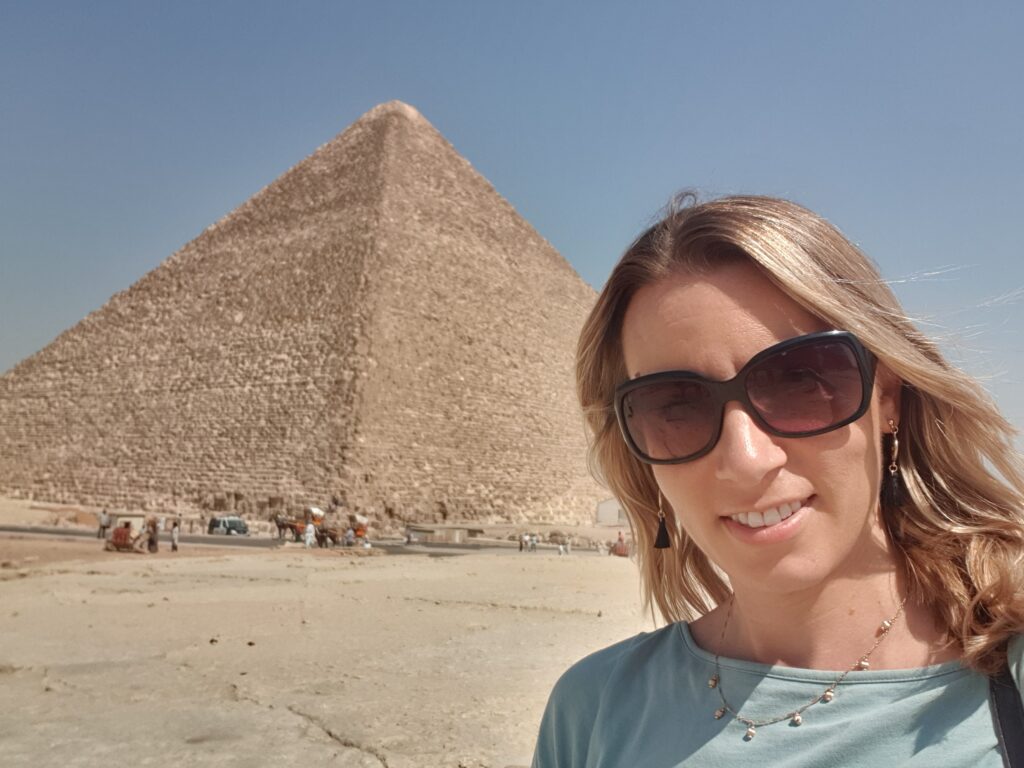
Through her work and education Rowan holds expertise in and contributes to several of the UN’s global Sustainable Development Goals (SDGs) to “end poverty, protect the planet, and ensure prosperity for all,” namely, the goals of: zero hunger, good health and well being, affordable and clean energy, sustainable cities and energy, responsible consumption and production, climate action, and life below water. Her expertise and skill in these goals and more broadly in the field of archaeology has been recognized at multiple points, with Rowan serving as the archaeobotanical specialist for excavations at Aphrodisias, Sardis in Turkey, Villa d’Orazio in Vacone, and Falerii Novi in Italy, and the Arts and Humanities Research Council (AHRC) funding Rowan’s project Negotiating The Modernity Crisis: Globalization, economic gain and the loss of traditional and sustainable food practices in Turkey.
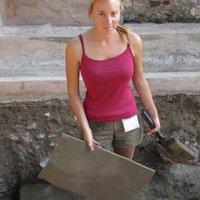
The impact of Rowan’s work and the presence of her voice in the archaeological discipline is seen perhaps most widely through her work as a founding editor of the Archaeology of Food and Foodways research journal (Feb. 2019–present), her work as the chair of the April 2018 Roman Archaeology Conference, and her work as a member of the research network “Center for Connectivity in the Roman World” (2019–2025). Erica Rowan is an extremely prevalent lecturer and archaeologist, who, through her work, shines further light on globally important topics relating to diets and waste while also educating the next generation of archaeologists at the University of London, Royal Holloway, she is an environmental archaeology and archaeobotanical TrowelBlazer!

Publications
2020 Ledger, Marissa, Erica Rowan, Frances Gallart Marques, John H. Sigmier, Natasa Šarkić, Saša Redžić, Nicholas D. Cahill, and Piers D. Mitchell. “Intestinal Parasitic Infection in the Eastern Roman Empire During the Imperial Period and Late Antiquity.” American Journal of Archaeology 124(4):631-57. DOI:https://doi.org/10.3764/aja.124.4.0631.
2022 Lodwick, Lisa, and Erica Rowan. “Archaeobotanical research in classical archaeology.” American Journal of Archaeology 126(4): 593–623.
2018 Nicholson, Rebecca, Jennifer Robinson, Mark Robinson, and Erica Rowan. “From the Waters to the Plate to the Latrine: Fish and Seafood from the Cardo V Sewer, Herculaneum.” Journal of Maritime Archaeology 13(3):263–284. DOI:https://doi.org/10.1007/s11457-018-9218-y.
2015 Rowan, Erica. “Olive oil pressing waste as a fuel source in antiquity.” American Journal of Archaeology 119(4): 465–482.
2016 Rowan, Erica. “Bioarchaeological preservation and non-elite diet in the Bay of Naples: An analysis of the food remains from the Cardo V sewer at the Roman site of Herculaneum.” Environmental Archaeology 22(3):318–336. DOI:https://doi.org/10.1080/14614103.2016.1235077.
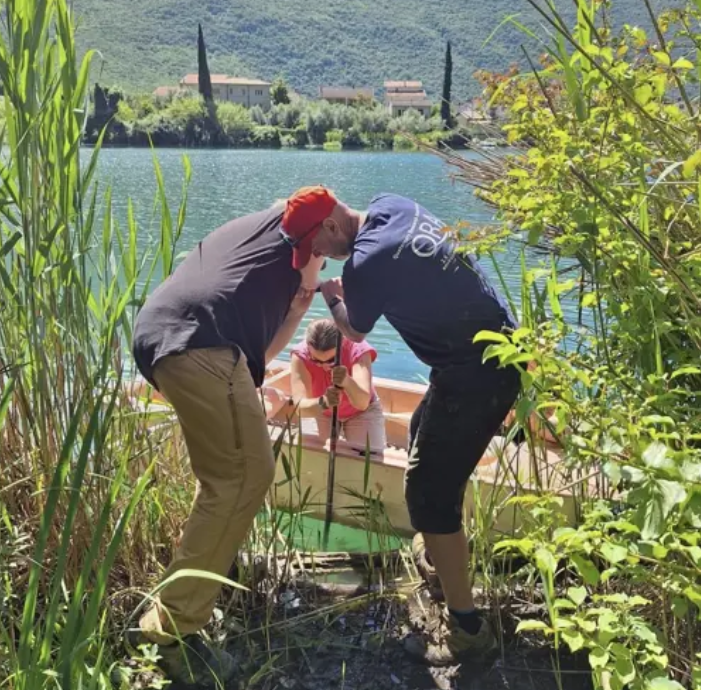
Photo Credits (In order of Appearance)
- Photos from “Interview with a Roman Sewer Expert,” Caroline Lawrence, 2018
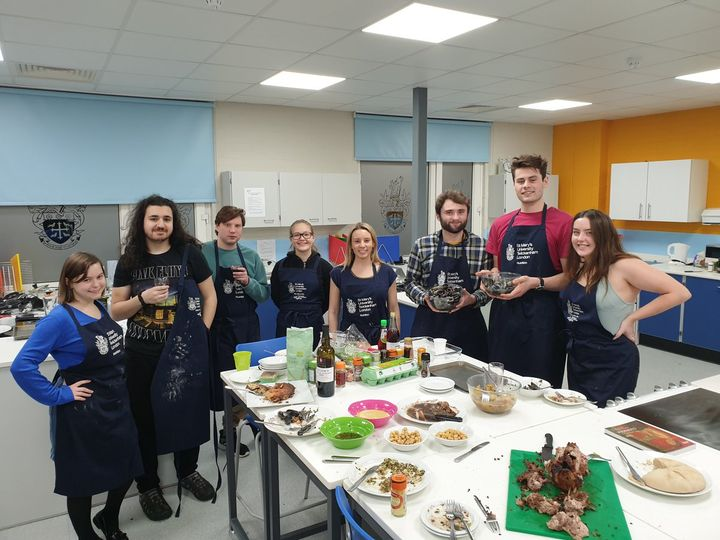
- Dr. Erica Rowan hosting Greco-Roman Cooking Day at RHUL, 2020
- Dr. Erica Rowan featured on the History Channel, “All the Ways We’ve Wiped: The History of Toilet Paper and What Came Before,” 2020
- Photo from Rowan’s Royal Holloway Research Portal Profile
- Photo from Rowan’s Academia.edu Profile
- Erica Rowan’s work coring a lake for sediment samples in Italy, 2024
Further Exploration
Click on images to access the research paper they originate from!